
Main Courses
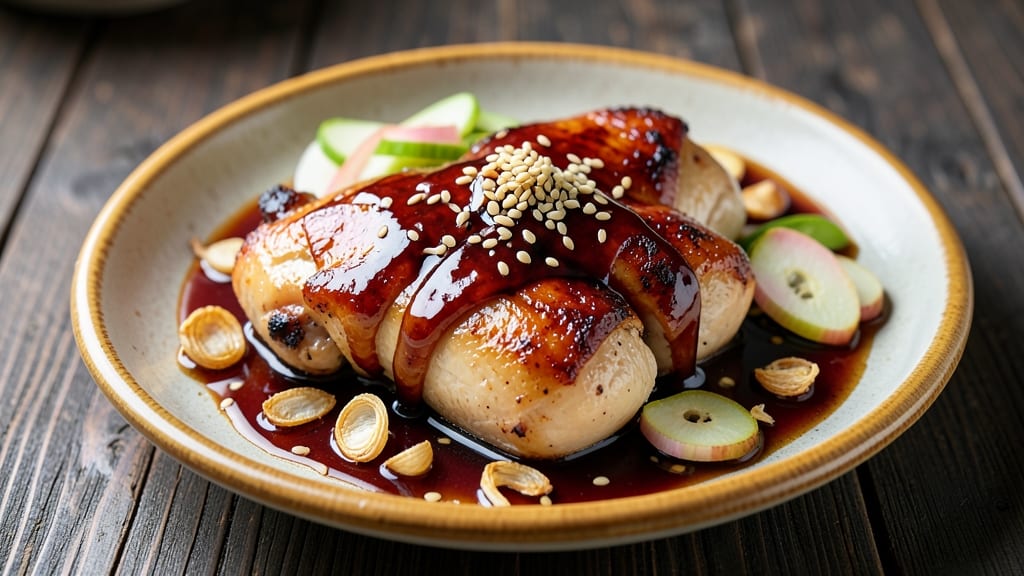
This chicken adobo recipe with apple cider vinegar delivers restaurant-quality tenderness with a tangy twist on Filipino tradition. The secret lies in braising chicken in a rich, vinegar-based sauce that transforms tough cuts into melt-in-your-mouth perfection.
I've adapted the classic technique using apple cider vinegar—its fruity brightness adds depth while keeping the dish approachable for home cooks.
The process begins with marinating chicken in a blend of garlic, ginger, and vinegar, which tenderizes the meat and infuses it with flavor.
After browning the chicken for color, we simmer it in a fragrant sauce of vinegar, soy sauce, and spices until the liquid reduces to a glossy, caramelized glaze. The apple cider vinegar brings a subtle sweetness that balances the dish's savory-sour profile.
What you'll end up with is tender, fall-off-the-bone chicken swimming in a rich, aromatic sauce that's perfect for serving over rice or with crusty bread. The sauce thickens as it cooks, creating pockets of flavor in every bite.
This recipe stays true to Filipino roots while offering a modern adaptation that's equally impressive for weeknight dinners or special occasions.
The beauty of this method is its flexibility—use it for meal prep or serve it immediately. The sauce also freezes beautifully, making it ideal for batch cooking. Let's get started on this foolproof, flavor-packed dish that's sure to become a family favorite.
Ingredients for chicken adobo recipe apple cider vinegar
This tangy, aromatic lineup transforms tough chicken into melt-in-your-mouth perfection with just a few pantry staples.
| Ingredient | Amount | Notes |
|---|---|---|
| Chicken Thighs 🍗 | 1 ½ lb | Bone-in, skin-on preferred |
| Apple Cider Vinegar 🍎 | 1 cup | Unfiltered for depth of flavor |
| Soy Sauce 🥢 | ½ cup | Light or regular, not low-sodium |
| Garlic Cloves 🧄 | 6 whole | Peeled, slightly smashed |
| Fresh Ginger 🌿 | 2 tbsp | Grated, not powdered |
| Brown Sugar 🍚 | 2 tbsp | Light or dark works |
| Bay Leaves 🌿 | 2 whole | Dried, standard size |
| Black Peppercorns 🌶️ | 1 tsp | Crushed, not ground |
| Olive Oil 🫒 | 2 tbsp | Extra-virgin for richness |
| Water 💧 | 1 cup | Room temperature preferred |
| Salt 🧂 | 1 ½ tsp | Kosher or sea salt |
| Honey 🍯 | 1 tbsp | Optional, for balance |
The chicken thighs are the star—bone-in, skin-on gives you that crispy texture and extra flavor, but boneless works in a pinch. Apple cider vinegar is non-negotiable here; its fruity notes elevate the classic Filipino tang. Grab Bragg or Mott's if you're near a store, but any unfiltered brand works. For the garlic, peel and smash the cloves—it releases more flavor. Fresh ginger is ideal, but if you're using powdered, cut the amount by half. The brown sugar adds depth without overpowering, and bay leaves are essential for that authentic aroma. Peppercorns should be crushed, not pre-ground—they pack more punch.
No apple cider vinegar? White vinegar or rice vinegar will work, though the flavor will be sharper. Short on soy sauce? Coconut aminos or even extra tamari (just skip the honey). Powdered ginger? Use half the amount but toast it first in a dry pan for 30 seconds to wake up the flavor. The honey is optional but recommended—it balances the acidity beautifully. If you're avoiding sugar, maple syrup works too. For the chicken, cut into even-sized pieces so they cook uniformly. The sauce thickens as it cooks, so don't rush—let it reduce naturally for that glossy finish.
This sauce tastes even better the next day—plan ahead. Store leftovers in the fridge for up to 5 days or freeze for 3 months. The sauce thickens when chilled, so add a splash of water when reheating. For meal prep, portion the chicken and sauce separately—reheat the sauce first, then add the chicken to avoid drying it out. The bay leaves can be removed before serving, but I often leave them in for extra flavor. If you're making this ahead, braise the chicken fully, then refrigerate and finish cooking later—it reheats beautifully.
Why You'll Love This Recipe
- One-Pan Magic: I swear by this recipe because it’s that kind of dish—throw everything in one pan, walk away, and come back to tender, glossy chicken bathed in a tangy-sweet sauce. No chopping boards, no extra pots, just you, some chicken thighs, and 20 minutes of hands-off time.
- Tangy-Sweet Obsession: The apple cider vinegar cuts through the richness of the soy sauce like a knife, while the ginger and garlic add this just-right warmth that makes every bite addictive. Honestly, the first time I tasted it, I immediately texted my partner: "We’re making this again tomorrow."
- Lunchbox Hero: This isn’t just dinner—it’s my go-to for meal prep because the sauce clings to the chicken like glue, so it reheats like a dream. Pack it cold for work or reheat it for a quick weeknight dinner, and you’ll be the office (or family) favorite.
- Budget Win: Chicken thighs are forgiving, cheap, and so much more flavorful than breasts—plus, the vinegar and soy sauce stretch the sauce into leftovers that taste just as good the second day. Between us, this recipe saved me $50 in takeout last month.
Step-by-step instructions for chicken adobo with apple cider vinegar
Here's how to transform simple ingredients into fall-apart tender chicken with a bright, tangy sauce.
Sear the Chicken for Maximum Flavor
Heat a large Dutch oven over medium-high heat. Add the 2 tablespoons olive oil and let it get shimmering hot. Working in batches if needed, add the 1.5 lb chicken thighs skin-side down. Press gently with a spatula to help the skin render fat and develop a golden crust.
Sear for 5-6 minutes until the skin is deep golden brown and crispy. Flip the thighs and cook another 4-5 minutes until the meat reaches 160°F internally. Transfer the chicken to a plate and set aside. You'll notice the skin is already forming a beautiful crust—this is your foundation for rich flavor.
Build the Tangy Vinegar Base
In the same Dutch oven, reduce heat to medium. Add the 6 whole garlic cloves and 2 tablespoons fresh ginger (grated), cooking for 30 seconds until fragrant. Pour in the 1 cup apple cider vinegar and scrape up any browned bits from the bottom with a wooden spoon—this is where all the flavor hides.
Bring the mixture to a gentle simmer, then add the 1 cup water, 0.5 cup soy sauce, 2 tablespoons brown sugar, 2 whole bay leaves, and 1 teaspoon crushed black peppercorns. Stir well to combine all ingredients. The vinegar will smell strong at first, but it mellows beautifully as it cooks.
Braise Until Fork-Tender
Return the chicken thighs to the pot, skin-side up. Add the 1.5 teaspoons salt and bring the liquid to a full boil. Once boiling, reduce heat to low, cover the pot, and let it simmer gently for 45-50 minutes. The chicken should be submerged in the sauce, and you'll see bubbles forming at a steady pace.
After 30 minutes, stir the pot and check the chicken. It should be nearly falling off the bone when gently pressed with a fork. If the sauce reduces too much, add 2-3 tablespoons water to maintain proper braising liquid. The goal is tender, juicy chicken with a glossy, flavorful sauce that clings perfectly.
Finish with Sweet Balance
Once the chicken reaches 185°F internally (about 45-50 minutes total), remove it from the pot and let it rest for 5 minutes. Meanwhile, increase heat to medium and simmer the sauce uncovered for 5-7 minutes to thicken slightly. Stir in the 1 tablespoon honey and taste—this balances the tangy vinegar with subtle sweetness.
Return the chicken to the pot and spoon the sauce generously over the top. The sauce should coat the chicken beautifully, with a rich mahogany color and aromatic steam rising. Serve immediately with steamed rice or crusty bread to soak up every last drop of that flavorful sauce.
Pro Tips For Making Chicken Adobo Recipe Apple Cider Vinegar
- Deglaze Aggressively: After browning the chicken, don’t just splash in vinegar—scrape the pan like your life depends on it. The stuck-on bits are flavor bombs, and lazy scraping means half your depth of flavor disappears down the drain. Use a wooden spoon and work in circles for 30 seconds.
- Peel Ginger Like a Pro: Skip the tedious peeling with a spoon—just give the knob a good whack with the flat side of your chef’s knife. The skin will crack and slide off in seconds. Then, slice thinly (1-2mm) so it infuses without turning to mush in the vinegar.
- Simmer, Don’t Boil: The moment the vinegar hits the pan, drop the heat to medium-low and let it bubble gently. Boiling turns your adobo into a watery soup—you want a glossy, syrupy sauce. If it’s splashing like a toddler’s bath, you’re doing it wrong.
- Salt the Chicken First: Toss the raw thighs with salt before searing—at least 30 minutes ahead if you can. This breaks down the meat slightly and ensures the seasoning penetrates deep. Trust me, dry, salty chicken seals better than soggy, last-minute sprinkles.
Storing and reheating this chicken adobo recipe apple cider vinegar
Refrigerator Storage
Let your chicken adobo cool completely before transferring to an airtight container—I use glass Pyrex with snap-on lids. Store in the fridge for up to 5 days, but the sauce actually improves as flavors meld. The vinegar's acidity helps preserve freshness while keeping the chicken tender. 💛
Freezer Prep
For long-term storage, freeze the chicken and sauce separately in quart-sized freezer bags with 1 inch headspace for expansion. Label with the date—this keeps for 3 months without texture loss. Thaw overnight in the fridge before reheating. The sauce freezes beautifully but may thicken; add 1-2 tablespoons water when reheating.
Reheating Perfection
My preferred method is stovetop: place chicken and sauce in a pot over medium-low heat, adding 2-3 tablespoons water if needed. Simmer for 8-10 minutes until heated through (165°F).
The sauce will thicken slightly—stir occasionally to prevent sticking. For microwave reheating, cover with a damp paper towel and heat in 1-minute intervals at 70% power.
Meal Prep Tips
Portion chicken and sauce separately for easy grab-and-go meals. Reheat the sauce first, then add chicken to avoid drying. The sauce can be reheated alone for up to 3 days—just add a splash of water or apple cider vinegar to restore consistency.
I often make double batches: one for immediate serving, one for freezing. The leftovers reheat just as flavorful as day one!
Sauce Revival
If your sauce looks too thick after storage, thin it with 1-2 tablespoons apple cider vinegar or water. For extra richness, stir in 1 teaspoon soy sauce or a pinch of brown sugar while reheating.
The vinegar's tang cuts through any staleness, making it taste fresh again. This trick works wonders for sauces that have thickened overnight in the fridge. ✨
Nutrition facts
Frequently asked questions
Can I use chicken breast instead of thighs for this recipe?
Chicken thighs are ideal because their fat content keeps them moist during braising. However, you can use boneless, skinless breasts if you prefer—just reduce cooking time to 25-30 minutes and add 1/4 cup water to prevent drying. For best results, pound the breasts to an even thickness before cooking. The sauce will still be delicious, but the texture will be more delicate.
What makes apple cider vinegar different from traditional adobo vinegar?
Traditional Filipino adobo uses cane vinegar, which has a sharper, more acidic profile. Apple cider vinegar adds a subtle sweetness and fruity depth that mellows beautifully in the sauce. The difference is noticeable but not overpowering—it creates a more approachable flavor for those new to adobo. For authenticity, use 1/2 cup apple cider vinegar + 1/2 cup white vinegar if you prefer a sharper tang.
How do I know when the chicken is fully cooked?
The chicken is done when it reaches 185°F internally and the meat easily pulls away from the bone with gentle pressure. For thighs, this typically takes 45-50 minutes of braising. If using breasts, aim for 165°F and check at 25 minutes. The sauce should coat the chicken and reduce slightly, forming a glossy glaze. Always use a meat thermometer for accuracy—it's the best way to avoid overcooking.
Can I make this recipe in a slow cooker?
Sear the chicken first as directed, then transfer everything to a slow cooker. Cook on low for 4-5 hours or high for 2-2.5 hours. The chicken will be extra tender, and the sauce will thicken naturally. For best results, add 1/4 cup water if the sauce seems too thick during cooking. The slow cooker method is perfect for hands-off prep and makes this dish ideal for busy weeknights.