
Sauces & Condiments
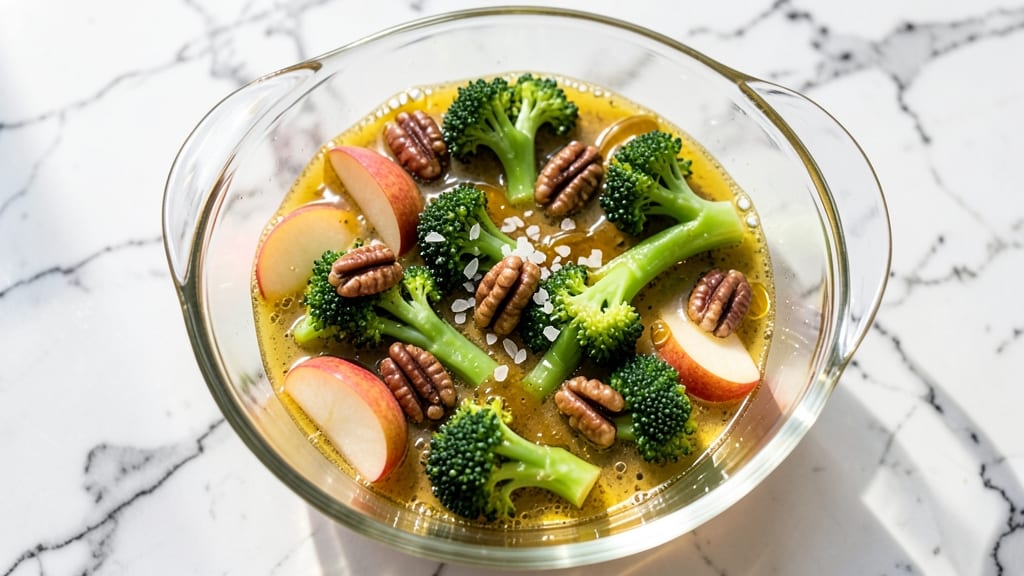
This broccoli salad dressing recipe with apple cider vinegar transforms simple greens into a vibrant, tangy masterpiece that balances crisp textures perfectly. The secret lies in the apple cider vinegar—its sharp brightness cuts through the richness of creamy dressings while enhancing the natural sweetness of broccoli and nuts.
I developed this recipe after years of testing salads that fell flat, and this version never disappoints. What sets this dressing apart is its simplicity: just six ingredients, yet layers of flavor.
The apple cider vinegar provides that signature tang, while Dijon mustard adds depth, and a touch of honey rounds out the sharpness. It’s light enough to keep the salad fresh but rich enough to make every bite irresistible. The best part?
It comes together in under 5 minutes with no special equipment. The result is a dressing that clings beautifully to broccoli florets, nuts, and cheese, creating a harmonious bite with every crunch. It’s the kind of dressing that elevates an everyday salad into something restaurant-worthy, all while keeping prep effortless.
Store it in the fridge for up to a week, and you’ll always have a bright, tangy companion for your greens. Whether you’re prepping for a picnic or a weeknight meal, this dressing adapts effortlessly.
Drizzle it over classic broccoli salad or use it as a base for other crunchy greens like cabbage or kale. Here’s how to make it—simple, foolproof, and guaranteed to become your go-to dressing.
Ingredients for broccoli salad dressing recipe with apple cider vinegar
Six ingredients, five minutes—this dressing brings the perfect tangy crunch to broccoli salad.
| Ingredient | Amount | Notes |
|---|---|---|
| Apple Cider Vinegar 🍎 | ½ cup | Raw, unfiltered preferred |
| Extra-Virgin Olive Oil 🫒 | ½ cup | Light or fruity variety |
| Dijon Mustard 🌶️ | 1 tbsp | Mild or regular strength |
| Raw Honey 🍯 | 2 tbsp | Or maple syrup for vegan |
| Dry Sherry Vinegar 🍷 | 1 tbsp | Or extra apple cider vinegar |
| Sea Salt 🧂 | ½ tsp | Fine grain preferred |
| Freshly Ground Black Pepper 🌶️ | ¼ tsp | Freshly cracked for best flavor |
| Garlic Cloves 🧄 | 1 clove | Minced or finely grated |
Apple cider vinegar is the star here. Raw, unfiltered vinegar from brands like Bragg or Texas Pete adds extra depth, but any good-quality vinegar works. The Dijon mustard is non-negotiable—it provides that signature tang without overpowering. I always grab Maille if I'm at a fancy market, but the regular grocery store stuff is fine. For the honey, local raw honey adds subtle floral notes, but any liquid sweetener will work. The garlic? One clove is perfect—don't overdo it unless you love garlic-forward flavors.
No apple cider vinegar? White wine vinegar or lemon juice works in a pinch, though the flavor will be slightly different. Short on sherry vinegar? Extra apple cider vinegar or balsamic keeps things balanced. The olive oil matters—light or fruity varieties won't overpower the tang, while peppery oils can clash. For a vegan version, swap honey for maple syrup or agave. The salt and pepper are simple but essential—Diamond Crystal kosher salt dissolves perfectly, and freshly cracked pepper adds a nice bite. If you're making this ahead, taste and adjust before serving—vinegar flavors mellow slightly over time.
This dressing keeps beautifully in the fridge for up to 1 week, though I usually make a fresh batch every few days. Store it in a small glass jar with a tight lid—the vinegar flavor intensifies as it sits, so start with slightly less if you prefer a milder taste. Shake well before using, as the ingredients will separate. It's perfect for broccoli salad, kale salads, or even drizzled over roasted veggies. Double the batch if you're prepping for a crowd—it disappears fast.
Why You'll Love This Recipe
- Five-Ingredient Magic: I swear by this combo—just shake, taste, adjust. No fancy steps, no waiting for anything to cool. That’s the beauty of it: apple cider vinegar’s tang cuts through the richness of the olive oil, while the Dijon mustard and honey balance it like a well-worn favorite sweater.
- Tangy-Sweet Balance: Honestly, the dry sherry vinegar and raw honey do something special here. It’s bright, not cloying, with just enough depth to make you want to drizzle it on everything—grilled chicken, roasted veggies, even a simple sandwich. The apple cider vinegar adds this warm, almost caramel-like note that surprises me every time.
- Potluck Hero: This dressing is my go-to for gatherings because it travels well and elevates whatever it touches. Pack it in a small jar, and suddenly your broccoli salad (or any salad) goes from “meh” to “bring more.” Between us, it’s the one thing people always ask for seconds on.
- Budget Brightener: I make a big batch—like, a full cup—and it lasts me weeks. The pantry staples (olive oil, vinegar) stretch forever, and the honey and mustard are cheap enough that I don’t flinch when I double the recipe. Plus, it’s the kind of dressing that makes even simple greens feel like a splurge. Win-win.
Step-by-step instructions for broccoli salad dressing with apple cider vinegar
This tangy, balanced dressing comes together in minutes—perfect for brightening up crisp broccoli salads.
Whisk Together the Vinegars and Honey
In a medium bowl, combine the 0.5 cup apple cider vinegar and 1 tbsp dry sherry vinegar. Stir well to blend their distinct tangs—the apple cider adds warmth while the sherry vinegar deepens the complexity. Next, add the 2 tbsp raw honey and whisk vigorously until fully dissolved. You're looking for a smooth, syrupy base that coats the back of a spoon.
This step is where the dressing's signature balance begins. The honey not only sweetens but also helps emulsify the oil later. If you're using maple syrup as a vegan substitute, whisk it in now as well—just be aware it may require a slightly longer whisking time to fully integrate.
Incorporate the Mustard and Garlic
Add the 1 tbsp Dijon mustard and the minced 1 clove garlic to the vinegar-honey mixture. Using a fork or small whisk, stir until the mustard is completely dissolved and no lumps remain. The Dijon mustard acts as a natural emulsifier, helping the oil and vinegar blend seamlessly. The garlic should be fully incorporated but not overpowered—just a subtle aromatic presence.
Here's the thing—don't rush this step. If you see any mustard streaks lingering, keep whisking. Unevenly mixed mustard can create clumps in your final dressing. The garlic should be so finely minced that it disappears into the mixture, ensuring no gritty texture in your salad.
Gradually Add the Olive Oil
With the mixture whisking continuously, very slowly drizzle in the 0.5 cup extra-virgin olive oil. Start with just a few drops at first, then gradually increase to a steady stream. This slow incorporation is crucial—it allows the mustard to properly emulsify the oil, creating a stable dressing rather than a separated oil-and-vinegar concoction.
Keep whisking vigorously for at least 1-2 minutes after all the oil is added. You're looking for a dressing that has a smooth, creamy consistency with no visible separation. If you notice any oil pooling on top, whisk a bit longer or add a splash of water to help break the emulsion. The texture should be like a thin, velvety dressing rather than a thick paste.
Season and Adjust to Taste
Add the 0.5 tsp sea salt and 0.25 tsp freshly ground black pepper to the dressing. Stir well to distribute the seasoning evenly. Taste a small spoonful and adjust as needed—this is where you can fine-tune the balance. If it needs more tang, add another teaspoon of apple cider vinegar. If it's too sharp, a touch more honey will mellow it out.
Remember, this dressing should complement the broccoli's natural sweetness and the salad's crunch, not overpower them. The perfect ratio should have a bright acidity, subtle sweetness, and just enough saltiness to make your taste buds dance. Let the dressing sit for 5-10 minutes at room temperature before using—this allows all the flavors to meld together completely.
Use Immediately or Store Properly
Transfer the dressing to a clean, airtight jar or container. It's best used within 3-4 days when stored in the refrigerator. Before each use, give it a good shake—this dressing has a tendency to separate slightly when stored, but it should come back together with a quick whisk or vigorous shaking.
When ready to use, pour over your broccoli salad just before serving. The dressing will cling beautifully to the florets, enhancing their natural sweetness while adding that perfect tangy crunch. This dressing also works wonders on other salads, grilled vegetables, or even as a marinade for chicken—its versatility makes it a kitchen staple worth keeping on hand.
Pro Tips For Making Broccoli Salad Dressing Recipe With Apple Cider Vinegar
- Whisk in stages: Start by mixing the Dijon mustard and raw honey first—this prevents clumps when you add the vinegars later. I used to dump everything in at once and ended up with a grainy mess.
- Use aged apple cider vinegar: The older, the better—look for at least 6 months aged. Younger vinegar tastes harsh and overpowering, especially when paired with sweet honey and dry sherry vinegar.
- Balance the vinegars: Dry sherry vinegar is stronger than apple cider—start with just ½ teaspoon and taste before adding more. I learned this the hard way after making a batch that tasted like a wine cooler gone wrong.
- Emulsify with olive oil last: Add the extra-virgin olive oil drop by drop while whisking vigorously, then gradually increase to a thin stream. This ensures a silky dressing instead of a separated oil slick—no fancy blender needed.
Common mistakes when making great broccoli salad dressing recipe with apple cider vinegar
Over-Mixing the Dressing
Whisking too vigorously or for too long can create a dressing that's too thick and emulsified. This happens when the mustard and oil combine into a heavy, almost mayo-like consistency. To avoid this, whisk just until the ingredients are fully incorporated—about 1-2 minutes after adding the oil.
If it starts looking too thick, add 1 tsp water to lighten it back up. I’ve made this mistake when rushing, and the result was a dressing that clung too heavily to the salad, making each bite overly rich. 💫
Skipping the Resting Time
This dressing needs 5-10 minutes to rest at room temperature before using. Skipping this step means the flavors won’t fully meld, and you’ll end up with a dressing that tastes disjointed—sharp vinegar hits first, followed by sweetness, then saltiness.
Let it sit while you prep your salad or chop veggies. Trust me, the difference is noticeable, and it’s worth the wait.
Using Low-Quality Vinegar
Not all vinegars are created equal, and using a cheap or synthetic vinegar will make your dressing taste flat and artificial. Stick with raw, unfiltered apple cider vinegar like Bragg or Texas Pete for that authentic, complex tang.
The mother (those little strands) adds depth and a slightly sweet, almost buttery note. If you’re substituting, white wine vinegar works in a pinch, but it won’t have the same richness.
Ignoring the Emulsification Process
Adding the olive oil too quickly or not whisking continuously can lead to a dressing that separates into oily and vinegary layers. The key is to drizzle the oil in slowly while whisking constantly.
If you see oil pooling on top, don’t panic—just whisk in a splash of water or a tiny bit more mustard to re-emulsify. I’ve had to rescue a few dressings this way, and it always comes together with a little extra effort. ⚡
Over-Salting or Over-Sweetening
It’s easy to go overboard with salt or honey, especially if you’re adjusting the dressing as you go. Start with the full amounts listed in the recipe, then taste and adjust gradually. Adding too much salt can make the dressing harsh, while too much honey can turn it cloying.
Remember, you can always add more vinegar for tang or a pinch of salt, but you can’t take anything away once it’s in there.
Not Shaking Before Use
Even the best dressings separate slightly over time, especially in the fridge. Always give your dressing a good shake or whisk before pouring it over your salad. I’ve seen people pour separated dressings directly onto their food, and it’s a missed opportunity for that silky, cohesive flavor.
A quick shake ensures every bite is perfectly balanced and delicious.
Nutrition facts
Frequently asked questions
Can I make this dressing without honey?
Yes! Swap the 2 tbsp honey for 2 tbsp maple syrup (vegan-friendly) or 1 tbsp agave nectar. For a fruitier twist, try 1 tbsp orange juice concentrate or 1 tbsp light corn syrup. Just remember—honey adds natural depth, while substitutes may require a pinch more salt to balance sweetness.
How long does this dressing last in the fridge?
This dressing stays fresh for up to 1 week when stored in an airtight jar. The flavors actually improve slightly as they meld, but always shake well before using—vinegar-based dressings naturally separate. For best quality, use within 3-4 days if possible.
What other greens pair well with this dressing?
While it's perfect for broccoli salad, this dressing elevates kale, arugula, cabbage, or watercress beautifully. It also works as a marinade for grilled chicken or a drizzle for roasted Brussels sprouts. The apple cider tang cuts through rich flavors while enhancing natural sweetness in veggies.
Why does my dressing look separated after refrigeration?
This is normal! Vinegar-based dressings naturally separate when chilled. Simply shake or whisk vigorously before using—it should re-emulsify completely. For extra stability, add 1 tsp cornstarch to the vinegar mixture before whisking in the oil. The separation won't affect flavor, just texture.
Can I make this dressing thicker or thinner?
For a thicker dressing, reduce the olive oil by 1 tbsp or add 1 tsp Dijon mustard. To thin it out, add 1-2 tsp water or apple cider vinegar. Remember, this dressing is designed to lightly coat greens—thicker versions work better for heartier salads with cheese or nuts.