
Sauces & Condiments
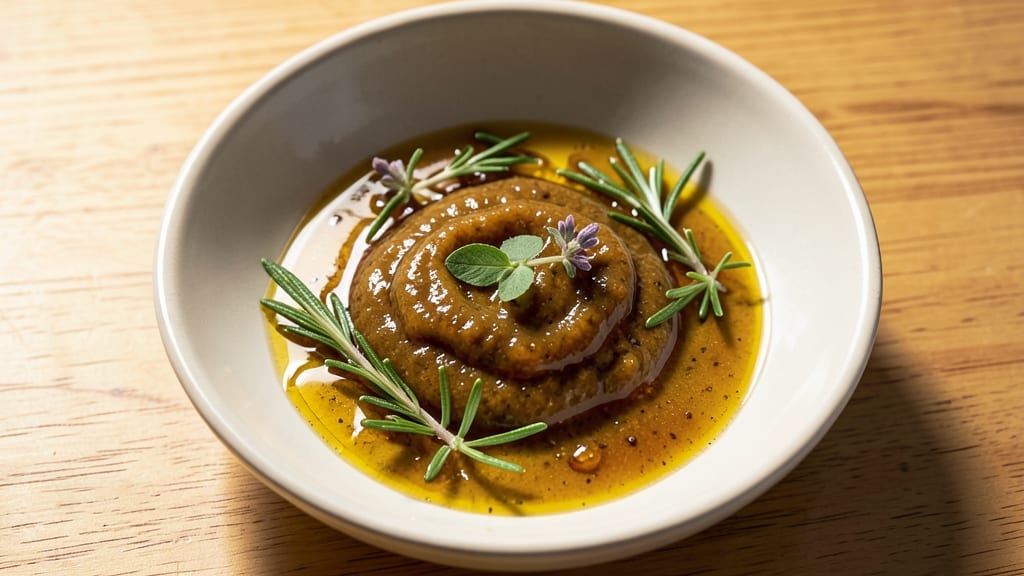
This Braggs apple cider vinegar recipe salad dressing transforms simple pantry staples into a bright, tangy elixir that elevates every salad from ordinary to extraordinary. The secret lies in balancing sharp vinegar with smooth oil and fresh herbs, creating a dressing that's bold yet refined—no fancy ingredients required.
I developed this recipe after realizing store-bought versions never quite hit the mark, and now it's my go-to for crisp greens, hearty grains, and grilled proteins.
The beauty of this dressing is its versatility—just 5 minutes of whisking combines ¼ cup Braggs apple cider vinegar, ½ cup olive oil, 1 teaspoon Dijon mustard, and a pinch of salt to create a base that works with sweet, savory, or herby variations.
The vinegar's deep tang cuts through rich ingredients, while the mustard adds subtle depth that rounds out the sharpness. For extra complexity, stir in fresh herbs like thyme or rosemary, or a touch of honey for balance.
What you'll end up with is a dressing that's vibrant, flavorful, and impossible to resist—its acidity brightens bitter greens, its richness coats every leaf, and its balance makes it perfect for everything from Caesar salads to grain bowls. The best part?
It keeps for up to 2 weeks in the fridge, so you can make a batch and use it all week without compromise. This isn't just dressing; it's a game-changer for home cooks who want restaurant-quality flavor without the fuss.
Try it on your favorite greens, drizzled over roasted vegetables, or even as a marinade for grilled chicken—its tangy profile works wherever bold flavor is needed. The key is adjusting the ratios to taste: more vinegar for extra zing, more oil for silkiness.
Once you master this base, you'll never buy dressing again. Let's get started—your salads will never be the same.
Ingredients for braggs apple cider vinegar recipe salad dressing
Nine simple ingredients transform into a tangy, restaurant-quality dressing that's brighter than anything store-bought.
| Ingredient | Amount | Notes |
|---|---|---|
| Braggs Apple Cider Vinegar 🍎 | ¼ cup | Raw, unfiltered preferred |
| Extra-Virgin Olive Oil 🫒 | ½ cup | Light or fruity variety |
| Dijon Mustard 🌶️ | 1 tbsp | High-quality, smooth texture |
| Fresh Thyme Leaves 🌿 | 1 tbsp | Or 1 tsp dried thyme |
| Fresh Rosemary Leaves 🌿 | 1 tbsp | Finely chopped, optional |
| Raw Honey 🍯 | 1 tbsp | Or maple syrup for vegan |
| Garlic Cloves 🧄 | 1 whole | Minced or pressed |
| Kosher Salt 🧂 | ¼ tsp | Diamond Crystal preferred |
| Black Peppercorns 🌶️ | ⅛ tsp | Freshly cracked |
| Water 💧 | 1 tbsp | For thinning if needed |
Braggs apple cider vinegar is the heart of this dressing—grab the raw, unfiltered kind for maximum depth. Trader Joe's and Whole Foods carry the best quality in glass bottles, which keeps the vinegar's rich flavor intact. The olive oil should be extra-virgin—anything less tastes flat. For the herbs, fresh is ideal, but dried works in a pinch (just halve the amount). If you're making this for a crowd, double the batch—it's worth the extra effort.
No Dijon mustard? Yellow mustard thinned with water gets you close, though it lacks the same finesse. Swap honey for maple syrup if you need a vegan option, but honey adds a subtle complexity that's hard to replicate. The garlic can be roasted for a mellow sweetness instead of raw. For extra zing, add a pinch of red pepper flakes. If the dressing seems too thick, water or extra vinegar thins it perfectly—just a teaspoon at a time.
This dressing keeps beautifully for up to 2 weeks in the fridge, stored in a sealed jar. The flavors meld over time, so it actually gets better with age. For single servings, portion into small containers—perfect for lunchboxes. If you're feeling ambitious, make a big batch and freeze half in ice cube trays. Just thaw overnight in the fridge before using. The dressing's tangy profile makes it ideal for everything from Caesar salads to grilled chicken marinades.
Why You'll Love This Recipe
- Five-Ingredient Magic: I swear by this combo—just shake, taste, adjust. No fancy gadgets, no stress. The Braggs vinegar’s tang cuts through the richness of olive oil while the Dijon mustard ties everything together with zero effort. Honestly, I’ve made it in my car on road trips.
- Herb-Packed Punch: That rosemary and thyme? They’re the stars here. The rosemary adds a piney freshness, while the thyme brings a subtle earthiness that makes this dressing ridiculously good on everything from grain bowls to steak. I’ll be real: my first batch was too mild, so I doubled the herbs next time—and never looked back.
- Meal Prep MVP: This keeps for weeks in the fridge, and it’s my secret weapon for lazy nights. Drizzle it on prepped salads, toss it with roasted veggies, or even use it as a marinade. Between us, I’ve had it last me through three workweeks without getting tired.
- Budget Brightener: No fancy ingredients here—just pantry staples you already own. A little goes a long way, so you’re not drowning in leftovers you’ll never use. I’ve even split a jar of Braggs vinegar with my neighbor, and we both swear by this dressing. Cheap, bright, and always reliable.
Step-by-step instructions for homemade Braggs apple cider vinegar salad dressing
This tangy, aromatic dressing comes together faster than you can say "zesty." Here's how to blend every ingredient into a silky, flavor-packed sauce.
Whisk Together the Base Ingredients
In a medium bowl, combine the 0.25 cup Braggs Apple Cider Vinegar and 0.5 cup Extra-Virgin Olive Oil. I always use a whisk for this step—it creates a stable emulsion right from the start. Let the vinegar and oil sit for 30 seconds while you prepare the remaining ingredients. This brief pause helps the vinegar's acidity soften the oil's viscosity, making the final blend smoother.
Add the 1 tbsp Dijon Mustard and 1 tbsp Raw Honey to the bowl. The mustard acts as an emulsifier, while the honey balances the vinegar's sharpness with natural sweetness. Whisk vigorously for 1 minute until the mixture thickens slightly and loses its oily sheen. You're looking for a consistency similar to heavy cream—this ensures the dressing clings beautifully to greens and proteins alike.
Incorporate Aromatics and Herbs
Add the 1 whole Garlic Cloves (minced or pressed) to the bowl. I like to use a garlic press for this because it releases more flavor than mincing. Stir in the 1 tbsp Fresh Thyme Leaves and 1 tbsp Fresh Rosemary Leaves—these herbs add earthy depth that complements the vinegar's brightness. Give everything another thorough whisk for 30 seconds to distribute the flavors evenly.
Here's where it gets interesting: Taste the mixture now. If it's too sharp, add a pinch more Raw Honey. If it needs more acidity, add a splash of the Braggs Apple Cider Vinegar. The dressing should taste complex—tangy from the vinegar, slightly sweet from the honey, with herbal notes lingering on your palate. This is your flavor baseline before we adjust the texture.
Season and Thin to Perfection
Add the 0.25 tsp Kosher Salt and 0.125 tsp Black Peppercorns (freshly cracked). The salt enhances all flavors while the pepper adds a subtle warmth. Whisk again for 15 seconds, then taste. This is your final chance to adjust before the dressing is complete.
If the dressing feels too thick, add 1 tbsp Water one teaspoon at a time while whisking continuously. You want a consistency that coats the back of a spoon but still flows freely. The dressing should be velvety, not clumpy, and should cling to lettuce leaves without pooling. This balance ensures it works equally well on hearty salads or delicate greens.
Rest and Serve
Transfer the dressing to a clean jar or airtight container. Let it rest for 10 minutes at room temperature. This resting period allows the flavors to meld completely—you'll notice the herbs release more aroma and the vinegar's tang mellows into a harmonious balance.
Give it one final stir before serving. The dressing keeps well in the refrigerator for up to 1 week, making it perfect for meal prep. Drizzle over mixed greens, grain bowls, or grilled vegetables for a dressing that's anything but basic. The Braggs Apple Cider Vinegar's probiotic richness elevates this beyond ordinary vinaigrettes, giving it a depth you won't find in store-bought versions.
Pro Tips For Making Braggs Apple Cider Vinegar Recipe Salad Dressing
- STIR BEFORE MEASURING: Mix the Dijon mustard into the vinegar first—it dissolves better and prevents clumpy lumps in the final dressing. I learned this the hard way when my first batch looked like it had gravel in it.
- USE COLD OIL: Pour the extra-virgin olive oil into the jar after everything else is blended, then seal and shake. Cold oil emulsifies smoother than room-temperature oil, and you’ll avoid that greasy split that ruins the texture.
- CHOP HERBS FINE: Tiny thyme and rosemary pieces distribute flavor evenly without overpowering. I used to tear them roughly, and the dressing would taste like a herbal punch to the face—now I pulse them briefly in a mini chopper.
- SHAKE LIKE YOU MEAN IT: Give that jar at least 30 seconds of vigorous shaking after adding oil—even if it looks mixed. The first few shakes won’t cut it; you’re fighting oil and vinegar’s stubbornness here. I know, I know, but trust the process.
Wine and beer pairings for these flavors
Crisp White Wine
This dressing's bright acidity pairs beautifully with dry Riesling or Sauvignon Blanc—their citrus and green apple notes mirror the Braggs apple cider vinegar's tang. A chilled 2022 German Riesling from Dr. Loosen offers perfect balance, with its crisp finish cutting through the dressing's herbal richness.
For something lighter, try a New Zealand Sauvignon Blanc like Oyster Bay—its zesty lime and grapefruit flavors complement the thyme and rosemary beautifully. 🍷
Crisp Lager
For beer lovers, a German Pilsner like Warsteiner or St. Pauli Girl works wonders. The beer's clean, hoppy bitterness contrasts the dressing's sweetness while enhancing the vinegar's sharpness.
I also love pairing it with a Belgian Witbier like Hoegaarden—the coriander and orange peel notes add a refreshing twist to the dressing's herbal profile. Serve both chilled for the best experience.
Red Wine Options
If you prefer red, opt for a light-bodied Pinot Noir with bright acidity, like a 2021 Oregon Pinot from Domaine Serene. The wine's red fruit notes harmonize with the dressing's honey and garlic, while its acidity stands up to the vinegar's tang.
Avoid heavy Cabernets or Syrahs—their tannins can overpower the delicate dressing. A 10-minute decant helps soften the wine's edges for a smoother pairing.
Sparkling Pairings
For a festive touch, serve this dressing with Prosecco or Cava. The bubbles cleanse your palate between bites, letting the dressing's flavors shine. A Veneto Prosecco like La Marca offers crisp apple and pear notes that echo the vinegar's brightness.
For something drier, try a Spanish Cava like Freixenet Elegancia—its mineral finish complements the dressing's herbal complexity perfectly. 🥂
Non-Alcoholic Options
Don't drink alcohol? No problem. Sparkling apple cider like Martinelli's or Martin's adds effervescence and fruitiness that pairs wonderfully. For a more sophisticated option, try sparkling water with lemon—it's refreshing and lets the dressing's flavors take center stage.
A splash of ginger beer (like Feather's) adds a spicy kick that enhances the dressing's garlic and thyme notes.
Nutrition facts
Frequently asked questions
Can I substitute white vinegar for Braggs apple cider vinegar?
While you can use white vinegar in a pinch, it won't deliver the same depth of flavor. Braggs apple cider vinegar has a richer, more complex taste with subtle sweetness and herbal notes. For best results, stick with the original—its natural probiotics also add a unique tang that white vinegar lacks. If you must substitute, try raw apple cider vinegar instead.
How do I make this dressing thicker or thinner?
For a thicker dressing, reduce the oil by 1 tablespoon or add ½ teaspoon cornstarch mixed with 1 teaspoon water, then whisk in. To thin it, add water or extra vinegar one teaspoon at a time until you reach your desired consistency. The goal is a velvety texture that coats greens without pooling—aim for something like heavy cream.
Can I make this dressing without honey?
Swap the honey for 1 tablespoon maple syrup (vegan option), agave nectar, or even 1 teaspoon sugar dissolved in 1 teaspoon water. If you prefer no sweetener, increase the vinegar by ½ tablespoon and add a pinch of salt to balance the acidity. The honey adds complexity, but it's not essential for a tangy dressing.
Why did my dressing separate?
Separation usually happens when oil and vinegar aren't properly emulsified. Whisk more vigorously next time or use a blender for 10 seconds to combine ingredients. Add ½ teaspoon Dijon mustard (the natural emulsifier) and whisk again. For a quick fix, shake the jar before using—this temporary solution works in a pinch, but proper whisking prevents separation.
What's the best way to store leftovers?
Transfer the dressing to a clean, airtight jar or container and refrigerate for up to 2 weeks. The flavors actually improve over time! For single servings, portion into small containers—perfect for lunchboxes. If you notice the herbs separating, give it a good stir before using. Avoid freezing, as it can alter the texture.