
Sauces & Condiments
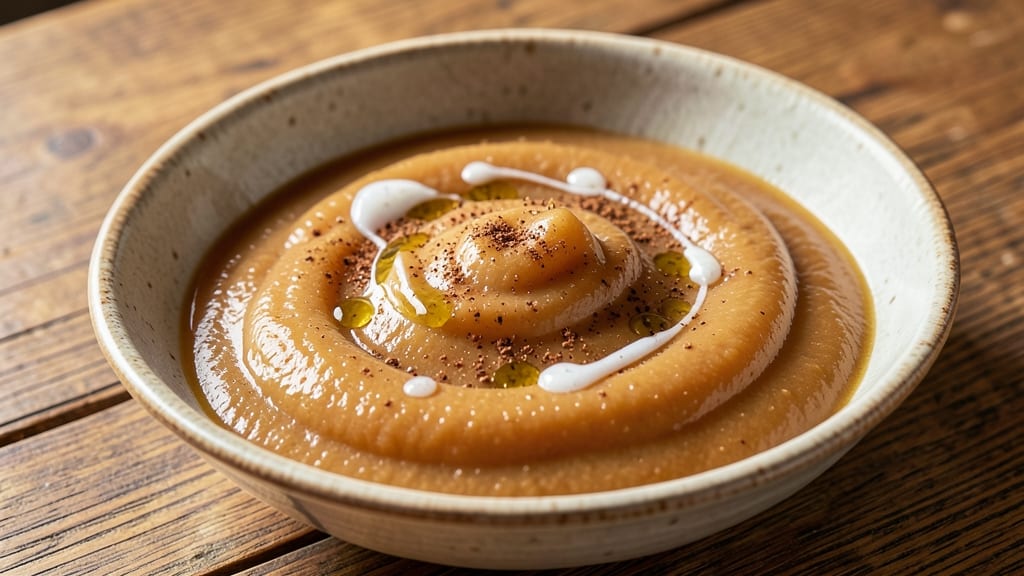
This no-sugar apple sauce recipe transforms simple apples into a naturally sweet, cinnamon-spiced spread that’s perfect for topping oatmeal, pairing with meats, or baking into pies. The secret lies in simmering the fruit until tender, then blending it to a smooth, velvety consistency—no added sugar needed.
I developed this version after realizing how easy it is to create a flavorful, healthy alternative to store-bought versions packed with sweeteners.
The process is straightforward: peel, core, and chop apples, then simmer them with just a pinch of cinnamon and vanilla until soft. The natural sweetness of the apples shines through, enhanced by warm spices that add depth without overpowering the fruit.
This sauce is versatile—use it as a topping for yogurt, a dip for apple slices, or even as a pie filling. The best part? It keeps well in the fridge for up to a week, making it a convenient pantry staple.
What sets this recipe apart is its simplicity and health benefits. No refined sugar means you’re getting all the fiber and nutrients of fresh apples, while the cinnamon adds a cozy, aromatic touch. The texture is smooth and spreadable, ideal for both sweet and savory dishes.
Whether you’re looking to cut back on sugar or simply enjoy a fresher, homemade version, this sauce delivers on flavor without compromise.
Once you try this naturally sweetened apple sauce, you’ll wonder why you ever bought the store-bought kind. The process takes less than 30 minutes, and the results are far superior—rich, fragrant, and perfectly balanced. Ready to make your kitchen smell like autumn? Let’s get started with this easy, no-fuss recipe.
Ingredients for apple sauce recipe no sugar
Six simple ingredients create this velvety, naturally sweet apple sauce with autumn's coziest flavors.
| Ingredient | Amount | Notes |
|---|---|---|
| Apples (Honeycrisp or Fuji) 🍎 | 4 medium | Peeled, cored, chopped |
| Water 💧 | ½ cup | For simmering apples |
| Ground Cinnamon 🌿 | 1 tsp | For warm spice depth |
| Pure Vanilla Extract 🌸 | ½ tsp | For aromatic touch |
| Lemon Juice 🍋 | 1 tbsp | Freshly squeezed |
| Extra-Virgin Olive Oil 🫒 | 1 tbsp | For glossy finish |
| Sea Salt 🧂 | ¼ tsp | To enhance flavors |
The apples are everything here. Honeycrisp or Fuji are my go-tos—they're naturally sweet and hold their shape well during cooking. Trader Joe's and Costco usually have great prices on these varieties, but any firm apple works in a pinch. Look for ones that are firm and free of bruises. If you're using tart apples like Granny Smith, you might want to add a touch more cinnamon to balance the flavor. I always buy organic when possible, especially since we're peeling them, but conventional is fine too. The key is to peel and chop them evenly so they cook at the same rate—about 1/2-inch chunks works perfectly.
No vanilla extract? Vanilla bean paste or even almond extract at half the amount will work. The lemon juice is non-negotiable—it brightens the whole dish and keeps the sauce from getting too flat. Short on olive oil? A splash of apple cider or water works in a bind, though the oil gives that lovely sheen. The cinnamon can be swapped for cinnamon sticks—just remove them before blending. And if you're feeling adventurous, a pinch of nutmeg or cardamom adds a lovely twist. The salt might seem negligible, but trust me—it makes all the difference in bringing out the natural sweetness of the apples.
This sauce keeps beautifully in the fridge for about 1 week in an airtight container. For longer storage, freeze it in ice cube trays—perfect for single servings. The texture actually improves after a day or two as the flavors meld together. I like to make a big batch and use it throughout the week—on toast, with yogurt, or even as a pie filling. The sauce reheats beautifully—just warm it gently on the stove or microwave until it's smooth again. If you end up with any extra, it freezes for up to 6 months, though I've never had that problem.
Why You'll Love This Recipe
- Just Four Ingredients: I swear, this is the kind of recipe where you peek at the list and think, "Wait, that’s it?" Honeycrisp apples, a splash of water, cinnamon, and a whisper of vanilla—no fuss, no stress. The peeling and chopping take less time than scrolling through your phone, and honestly? That’s a win.
- Taste Like Fall Morning: Here’s what sold me—the way the Fuji apples break down into that perfect silky texture, while the cinnamon and lemon juice brighten it up like sunshine through leaves. Add a dash of vanilla, and suddenly, you’ve got dessert-level flavor without a single spoonful of sugar. My kids ask for this more than ice cream.
- Pantry to Plate Magic: This sauce is my secret weapon for weeknight dinners, breakfast oatmeal, or even swirled into yogurt when I’m too tired to think. Between us, I’ve used it to glaze roasted chicken, dolloped it over pancakes, and even mixed it into muffins—it’s that kind of versatile. And the best part? It keeps for weeks in the fridge, so I’m never scrambling.
- Budget-Friendly Luxury: Apples are cheap, cinnamon lasts forever, and a little vanilla goes a long way. I make a big batch once a month, freeze half, and suddenly, I’ve got a gourmet-sounding side dish that costs pennies. Not the prettiest, but the taste makes up for it—and my wallet thanks me every time.
Step-by-step instructions for cinnamon-spiced no-sugar apple sauce
Here's how to transform simple apples into a velvety, naturally sweet sauce with just a few pantry staples.
Prepare the Apples for Cooking
Start by peeling, coring, and chopping the 4 medium Apples (Honeycrisp or Fuji) into even ½-inch chunks. I like to use a mandoline for consistency, but a sharp chef's knife works too—just be careful with the core. The smaller and more uniform the pieces, the faster and more evenly they'll cook.
Place the chopped apples in a large, heavy-bottomed pot. Add the 0.5 cup Water and bring to a boil over medium-high heat. Once boiling, reduce heat to medium-low and let the apples simmer uncovered for 10 minutes. You'll see the water begin to evaporate and the apples soften—this is when their natural sweetness starts to develop.
Simmer Until Apples Break Down
Continue simmering the apples for an additional 15-20 minutes, stirring occasionally, until they become fork-tender. You'll know they're ready when a knife slides in easily and the mixture starts to thicken naturally. The apples should release their juices freely, creating a fragrant, aromatic sauce.
Here's the thing—don't rush this step. The longer the apples cook, the more their natural sugars caramelize, creating that rich, deep flavor without any added sweetener. If the mixture looks too dry before the apples are tender, add 1-2 tablespoons of water. But trust me, with Honeycrisp or Fuji apples, you won't need much.
Build Flavor with Spices and Acid
Once the apples are tender, stir in the 1 tsp Ground Cinnamon, 0.5 tsp Pure Vanilla Extract, 1 tbsp Lemon Juice, and 0.25 tsp Sea Salt. The cinnamon will warm up beautifully, the vanilla adds depth, the lemon brightens everything, and the salt enhances all the flavors. Let the mixture simmer gently for another 5 minutes to allow the spices to infuse fully.
I know it might seem odd to add salt to something naturally sweet, but trust me—it balances the flavors perfectly and makes the cinnamon sing. The lemon juice is especially important; it cuts through the natural sweetness and prevents the sauce from tasting flat. Stir well and taste as you go—you can always adjust the salt or cinnamon if needed.
Finish with Olive Oil for Silky Texture
Remove the pot from heat and let the sauce cool slightly for 2-3 minutes. Then, stir in the 1 tbsp Extra-Virgin Olive Oil. This isn't just for flavor—it creates that luxurious, velvety texture you find in high-end apple sauces. The oil coats the fibers, giving your sauce a glossy finish and a silky mouthfeel.
Let the sauce cool completely before serving or storing. The flavors will continue to meld and deepen as it sits. If you prefer a smoother texture, you can blend it with an immersion blender, but I love the rustic texture of slightly chunky apple sauce. Either way, it's a game-changer for toast, oatmeal, or even as a topping for yogurt.
Pro Tips For Making Apple Sauce Recipe No Sugar
- PEEL AND CORE FAST: Honeycrisp apples are tough—use a sharp paring knife, not a peeler, to slice off the peel in one strip. For speed, cut the core out in a single wedge (like a pie slice) instead of trying to dig it out with a spoon. I learned this the hard way after spending 10 minutes fighting a stubborn core.
- START WITH BOILING WATER: Dump peeled, sliced apples into a pot of already boiling water—this cuts cooking time by half. If you add cold apples, you’re wasting 5-7 minutes waiting for the water to heat back up. (Yes, even if you’re impatient like me.)
- LEMON JUICE LAST: Add lemon juice only at the very end, right when you’re mashing or blending. Acid kills the cinnamon’s warmth if it sits too long—your sauce will taste flat instead of bright. A splash of fresh lemon (not bottled) makes the biggest difference.
- SKIP THE MASHING: Use an immersion blender or food mill for a smoother, lump-free sauce without extra effort. Mashing by hand introduces air and makes it grainy. (Your future self will thank you for not doing this.)
Troubleshooting perfect results
Apples Too Tart?
If your apples taste overly tart after cooking, add ½ tsp more cinnamon or 1 tsp maple syrup (if you're okay with a tiny amount of natural sweetener). Tart apples like Granny Smith need extra warmth to balance their acidity.
I’ve found that simmering them for an extra 5 minutes also helps caramelize their natural sugars, reducing tartness. 🌶️
Sauce Too Thin?
If your sauce is too watery, simply simmer it uncovered for another 5-10 minutes—the liquid will evaporate, thickening it naturally. Avoid adding cornstarch or flour, as this recipe is all about keeping it clean and simple.
For a quicker fix, mash the apples slightly with a potato masher before blending to break down the fibers and release more juice.
Sauce Too Thick?
If your sauce is too thick, stir in 1-2 tbsp water or apple cider and heat gently until smooth. Avoid over-blending, as this can make the sauce gummy. For a smoother texture, blend in 1-tbsp increments until you reach your desired consistency.
The key is patience—let the sauce cool slightly before adjusting, as it thickens as it sits. ✨
Blending Issues
If your immersion blender isn’t cutting it, transfer the sauce to a regular blender and blend in 1-second bursts to avoid splattering. For a chunkier texture, pulse just 3-4 times—this keeps the rustic appeal while still smoothing out the sauce.
If your blender struggles, strain the sauce through a fine-mesh sieve to remove any large chunks before serving.
Flavor Fading Fast
To preserve freshness, store your sauce in an airtight container and press plastic wrap directly on the surface to prevent oxidation. If the flavor seems dull after refrigeration, warm it gently on the stove with a splash of lemon juice or vanilla extract to revive the spices.
For longer storage, freeze the sauce in ice cube trays—thawed portions taste just as vibrant as fresh.
Skin or Bitter Taste?
If your sauce has a bitter aftertaste, it likely came from overcooked apple skins. Always peel your apples thoroughly, and avoid cooking them too long. For a sweeter, smoother sauce, use Honeycrisp or Fuji apples, which are naturally sweeter and less prone to bitterness.
If you accidentally overcook, stir in ½ tsp more cinnamon or a pinch of nutmeg to mask the bitterness. 🍎
Nutrition facts
Frequently asked questions
Can I use any apples for this no-sugar sauce?
You can use most apples, but Honeycrisp or Fuji work best—they're naturally sweet and hold their shape well. Tart apples like Granny Smith need extra cinnamon (½ tsp more) to balance their flavor. Always peel them to avoid bitterness from skins, especially if cooking longer.
How do I adjust the texture if it's too thick or thin?
For thin sauce, simmer uncovered for 5-10 extra minutes to evaporate liquid. For thick sauce, stir in 1-2 tbsp water or apple cider and reheat gently. Avoid thickeners like cornstarch—they defeat the purpose of this clean recipe.
Can I substitute the olive oil for something else?
Yes! Use 1 tbsp apple cider or water for a sugar-free alternative, though olive oil adds richness and gloss. For a dairy-free option, try coconut oil (add after cooling to avoid burning). The oil isn't just for flavor—it creates that luxurious, velvety texture.
How long can I store this sauce, and does it freeze well?
Store in an airtight container in the fridge for up to 1 week. For longer storage, freeze in ice cube trays (perfect for single servings) or airtight containers for up to 6 months. Thaw overnight in the fridge—never at room temperature.
What are the best ways to use this no-sugar apple sauce?
This versatile sauce works as a topping for oatmeal, yogurt, or toast, a dip for apple slices, or even as a pie filling. It pairs beautifully with savory dishes like pork chops or roasted chicken, adding natural sweetness without refined sugar.