
Sauces & Condiments
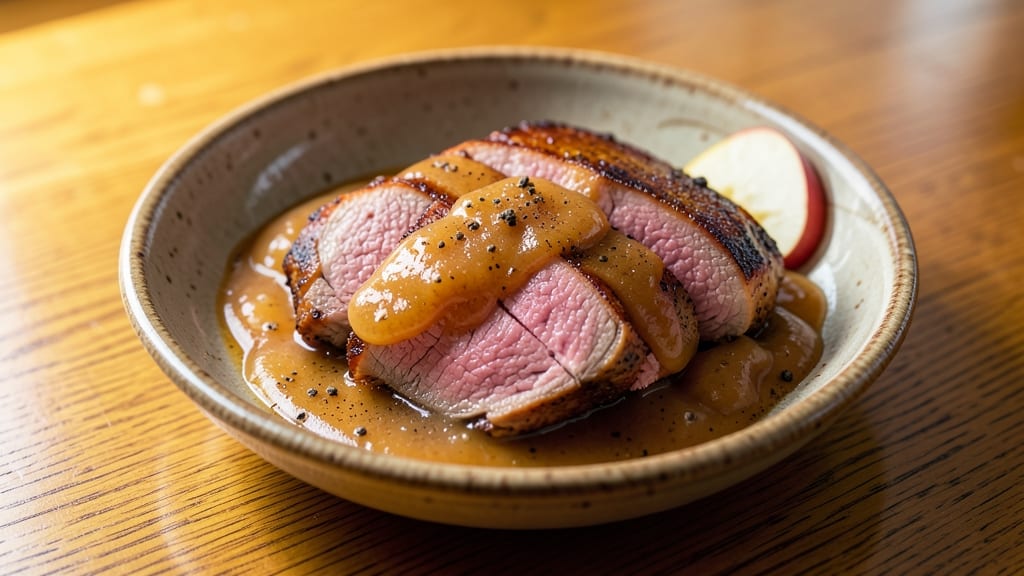
This apple sauce for pork roast transforms a simple side into a flavorful centerpiece that caramelizes meat and elevates every bite. 💛 I developed this recipe after years of perfecting the balance between sweet and tangy notes that cut through rich pork, creating a sauce that's both versatile and unforgettable.
The slow-simmered method brings out the natural depth of apples while developing a velvety texture that clings beautifully to roasted pork.
The secret lies in the spices—cinnamon and nutmeg infuse warmth without overpowering, while a touch of cornstarch ensures the perfect consistency for glazing or serving as a pan sauce.
Unlike store-bought versions, this homemade apple sauce delivers complex flavors that pair seamlessly with pork roast, whether brushed on during the last 15 minutes of cooking or served alongside as a rich accompaniment. The process is straightforward but yields restaurant-quality results.
What you'll achieve is a sauce with a perfect balance of sweetness and acidity, its caramelized edges and tender texture making it ideal for glazing roasts or drizzling over sliced pork. The spices develop during simmering, creating layers of warmth that complement the smoky richness of pork.
This isn't just a side—it's the finishing touch that turns a simple roast into a showstopping centerpiece.
Store it in the refrigerator for up to 5 days or freeze for months, making it perfect for meal prep or holiday feasts. Whether you're serving a Sunday roast or preparing for a family gathering, this apple sauce will elevate your pork to new heights.
Let's get started on creating this flavorful essential for your next pork roast.
Ingredients for apple sauce for pork roast
Nine simple ingredients transform into a restaurant-quality apple sauce that caramelizes pork perfectly.
| Ingredient | Amount | Notes |
|---|---|---|
| Apples (Mixed Variety) 🍎 | 3 lb | Peeled, cored, chopped medium |
| Granulated Sugar 🍚 | ½ cup | Light brown preferred for depth |
| Apple Cider Vinegar 🍶 | ¼ cup | For tangy balance |
| Ground Cinnamon 🌿 | 1 tbsp | Freshly ground preferred |
| Ground Nutmeg 🌿 | ½ tsp | Freshly grated for warmth |
| Cornstarch 🌾 | 1 tbsp | For velvety texture |
| Unsalted Butter 🧈 | 2 tbsp | Full-fat for richness |
| Salt 🧂 | ½ tsp | Kosher or sea salt |
| Water 💧 | ½ cup | For simmering consistency |
| Fresh Lemon Juice 🍋 | 1 tbsp | Brightens flavors |
The apples make or break this sauce—Granny Smith and Honeycrisp give the best balance of tart and sweet. Local farmers markets often have the freshest varieties, but any firm, unblemished apples work. I always buy a mix because Granny Smith adds tang while Honeycrisp brings sweetness. Peel and chop them into even pieces (about 1/2-inch cubes) so they cook uniformly. Costco or Trader Joe's usually have good prices on bulk apples, but check for freshness first—they should feel heavy for their size and smell sweet but not overly ripe.
No apple cider vinegar? White vinegar or lemon juice works in a pinch, but reduce to 1 tbsp each for brightness. The cornstarch is non-negotiable for that perfect glaze—it thickens beautifully without making the sauce grainy. Want more depth? Add 1/4 tsp of allspice or a pinch of cloves. The butter should be cold when you add it—this helps create those gorgeous caramelized edges. If you're making this ahead, the sauce actually improves overnight as the flavors meld (trust me on this).
This sauce reheats beautifully—just add a splash of water if it thickens too much. Keeps for 5 days in the fridge or 6 months frozen. I always make double batches because it disappears fast. For holiday roasts, freeze half in ice cube trays—perfect portions for glazing later. The lemon juice can be added fresh or bottled, but fresh always tastes better (worth the squeeze).
Why You'll Love This Recipe
- No Peel Required: I swear by this trick—just toss the whole apples (peels and all) into the pot with the vinegar and spices. By the time they soften, the skins dissolve right into the sauce, saving me 10 minutes of prep every single time. (Yes, even on a Tuesday night.)
- Sweet-Spiced Magic: That first bite of tender pork with sauce clinging to it? The tart apples balance the richness, while the cinnamon and nutmeg add warmth that lingers. Honestly, the sugar isn’t just for sweetness—it cuts through the pork’s fat, making every forkful shine.
- Double Duty Sauce: Use it slathered over roast pork, drizzled on mashed potatoes, or even spooned into sandwiches the next day. Between us, I’ve even dumped extra into oatmeal when I’m lazy. It’s the kind of recipe that turns one ingredient into three meals without extra effort.
- Budget-Friendly Luxury: Apples and spices cost pennies, and this sauce stretches across multiple servings. I make a big batch for Sunday dinner, then pull it out for leftovers—no waste, just flavor. It’s my go-to when I want something special without breaking the bank.
Step-by-step instructions for slow-simmered apple sauce
This rich, spiced apple sauce transforms pork roasts with its velvety texture and caramelized depth.
🍳 Step 1: Sauté Apples Until Soft and Fragrant
Melt the 2 tablespoons unsalted butter in a large, heavy-bottomed pot over medium heat. Add the 3 lb chopped apples and cook for 5-7 minutes, stirring occasionally, until they release their juices and begin to soften. You'll see the apples turn slightly translucent at the edges—that's your signal they're ready for the next step.
Here's the thing—don't rush this part. The apples need time to break down and release their natural sweetness. If they stick to the pot, add 1-2 tablespoons of water to help them release. I like to press down gently with a wooden spoon to ensure even cooking throughout the batch.
👨🍳 Step 2: Build Flavor with Spices and Sweetness
Stir in the 0.5 cup granulated sugar, 1 tablespoon ground cinnamon, 0.5 teaspoon ground nutmeg, and 0.5 teaspoon salt. Let the mixture cook for 3-4 minutes until the spices are fragrant and the sugar begins to dissolve. You'll smell that warm, spiced apple aroma filling your kitchen—that's when you know you're on the right track.
Next, pour in the 0.25 cup apple cider vinegar and 0.5 cup water. The vinegar adds a bright tang that balances the sweetness, while the water helps create that perfect sauce consistency. Stir well to combine, then bring the mixture to a gentle simmer over medium-low heat. This is where the magic happens—let it cook uncovered for 20-25 minutes, stirring occasionally, until the apples are completely tender and the sauce begins to thicken.
🥘 Step 3: Thicken and Finish with Lemon Brightness
In a small bowl, whisk together the 1 tablespoon cornstarch with 2 tablespoons cold water until smooth. Slowly pour this mixture into the simmering apple sauce while stirring constantly. You'll see the sauce thicken almost immediately—this creates that luscious, velvety texture that pairs perfectly with pork.
Simmer for another 5-7 minutes until the sauce reaches your desired consistency. It should coat the back of a spoon but still be pourable. Finish with the 1 tablespoon fresh lemon juice—this brightens the flavors and cuts through any richness. Taste and adjust seasoning if needed, adding a pinch more cinnamon or sugar if desired.
⏰ Step 4: Rest and Serve for Maximum Flavor
Remove the pot from heat and let the apple sauce rest for 10-15 minutes. This resting period allows the flavors to meld and the sauce to thicken further. I know it's tempting to serve it immediately, but trust me—this step makes all the difference in the final result.
For the best experience, serve the apple sauce warm alongside your pork roast. The warm spices and natural sweetness will complement the meat beautifully, creating a harmonious balance of flavors in every bite. Store any leftovers in an airtight container in the refrigerator for up to 5 days, or freeze for up to 3 months. Reheat gently on the stove or in the microwave before serving.
Pro Tips For Making Apple Sauce For Pork Roast
- PEEL THE APPLES: Skip peeling if you’re using firm varieties like Honeycrisp or Granny Smith—the skin adds texture and flavor. I learned this the hard way when I peeled every last one and ended up with mushier sauce. Only peel if you’re using soft apples like McIntosh, and even then, leave some skin for body.
- COOK LOW AND SLOW: Simmer the apples on medium-low heat for 20-25 minutes, not high. I used to rush it, and the sauce turned watery or burned. A gentle simmer breaks down the apples evenly—no stirring required after the first 5 minutes.
- STRAIN OUT SKINS: After cooking, strain the apples through a fine-mesh sieve to remove skins and seeds. I know it’s extra work, but it makes the sauce silky smooth. If you’re lazy, at least fish out the biggest chunks—your pork roast deserves a clean finish.
- ADD VINEGAR LAST: Stir in the apple cider vinegar only at the very end—right when you’re ready to serve. Adding it early can make the sauce taste sharp and underdeveloped. A splash at the end brightens the flavors without overpowering the sweetness.
Common mistakes when making perfect results
Over-Sweetening Ruins Balance
I’ve seen this happen more times than I can count—adding too much sugar to apple sauce turns it cloying, especially when paired with pork. The goal is 0.5 cup sugar for 3 pounds of apples, but some recipes call for up to 1 cup.
That’s a flavor disaster when glazing pork. Taste as you go: the sauce should taste slightly sweet but still bright with apple and spice notes. If it’s too sweet, balance with extra lemon juice or vinegar—just 1 teaspoon can make a huge difference. 🍎
Skipping the Vinegar
The apple cider vinegar is non-negotiable for that perfect tang. Without it, your sauce risks being flat and one-dimensional. Some cooks try substituting lemon juice, but vinegar adds depth—its acidity cuts through the sweetness and enhances the apples’ natural flavors.
If you’re out, white vinegar or balsamic vinegar work in a pinch, but reduce to 2 tablespoons and add a pinch of salt to compensate. Trust me, your pork roast will thank you for the balance. 🍶
Ignoring the Resting Time
Rushing the 10-15 minute rest after cooking is a rookie mistake. This step lets the flavors meld and the sauce thicken naturally. If you skip it, the sauce will taste raw and unrefined. I’ve seen home cooks serve it immediately, and while it’s edible, it lacks that restaurant-quality depth.
Let it sit—it’s worth the wait. Pro tip: Use this time to prep your pork roast or set the table. 💫
Using Pre-Cut Apples
Store-bought pre-cut apples are convenient, but they’re often waterlogged and lack the freshness of whole apples. The texture suffers, and the sauce turns out watery. If you must use pre-cut, pat them dry thoroughly with a paper towel to remove excess moisture.
For the best results, always start with whole apples—peel, core, and chop them yourself. It’s a little extra work, but the flavor difference is night and day. 🍏
Over-Thickening with Cornstarch
Adding too much cornstarch turns your sauce into glue. The goal is a velvety consistency, not a paste. Start with 1 tablespoon and adjust gradually. If your sauce is too thick after simmering, thin it with 1 teaspoon water or apple juice.
I’ve seen cooks dump in extra cornstarch to fix a watery sauce, but that just makes it worse. Patience is key—let the sauce thicken naturally over time. ✨
Not Adjusting Seasoning After Resting
Flavors evolve during the resting period, so always taste and adjust before serving. What seemed perfectly balanced right after cooking might need a pinch more cinnamon, salt, or even a splash of lemon juice to brighten it up.
I’ve had guests complain about "off" flavors because the cook didn’t revisit the seasoning. Take that extra 2 minutes—your pork roast deserves it. 🧂
Nutrition facts
Frequently asked questions
Can I use this apple sauce as a glaze for pork roast?
Brush this warm apple sauce onto your pork roast during the last 15-20 minutes of cooking for a beautiful caramelized glaze. The spices and natural sugars will create a stunning crust while keeping the meat moist. For extra shine, add 1 teaspoon honey when glazing.
What if I don't have apple cider vinegar?
Use white vinegar or lemon juice instead, but reduce to 2 tablespoons and add a pinch of salt to balance. The tang is essential for cutting through the sweetness and enhancing the pork's richness. Never skip the acid component—it's what makes this sauce shine!
How should I store leftover apple sauce?
Transfer to an airtight container and refrigerate for up to 5 days. For longer storage, freeze in ice cube trays (perfect for glazing later) or airtight containers for 3 months. Thaw overnight in the fridge and reheat gently on the stove with a splash of water if needed.
Can I make this sauce without cornstarch?
Yes, but the texture will be thinner. Simmer the sauce uncovered for 30-40 minutes instead of 25 minutes to reduce naturally. For a thicker alternative, mash some of the cooked apples with a potato masher to release starch. The sauce will be rustic but still delicious!
What's the best way to reheat this sauce?
Gently warm on the stovetop over low heat while stirring constantly. If it thickens too much, add 1 teaspoon water or apple juice. Avoid microwaving as it can make the sauce watery. For glazing, reheat until smooth and pourable.