
Sauces & Condiments
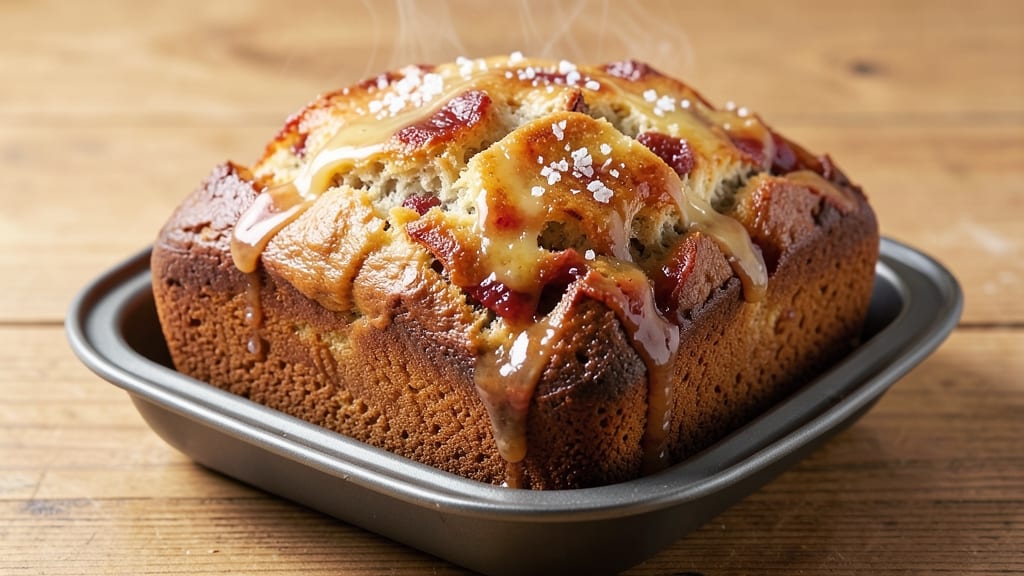
This apple sauce bread machine recipe transforms your daily loaf into a moist, sweetly aromatic masterpiece with minimal effort. The secret lies in replacing some liquid with unsweetened apple sauce—it keeps the bread tender for days while adding subtle fruit sweetness without overpowering the yeasty bread flavor.
I've baked countless loaves with this method, and the results never disappoint: a golden crust that cracks perfectly with each slice, revealing a crumb so soft it practically melts in your mouth.
The beauty of using a bread machine is that it handles all the hard work—kneading, proofing, and baking—while you focus on measuring ingredients. You'll need just five core ingredients (plus apple sauce), and the process takes less than two hours from start to finish.
The apple sauce not only enhances moisture but also contributes a natural sweetness that pairs beautifully with butter or jam. For an extra boost, consider adding a touch of cinnamon or vanilla to the dough for warmth.
What you'll end up with is a fluffy loaf that stays fresh for up to five days, making it perfect for breakfast sandwiches, toast, or French toast. The crust develops a satisfying crunch, while the interior remains pillowy soft—ideal for those who love bread with character.
This recipe is particularly great for beginners or busy weeknights when you want restaurant-quality results without the fuss.
Once baked, let the loaf cool on a wire rack before slicing to maintain its texture. Store it in an airtight container or wrap tightly in plastic to preserve freshness.
For serving, try pairing it with your favorite jam, honey, or even as the base for a classic grilled cheese. The possibilities are endless, and the process couldn't be simpler.
Ingredients for apple sauce bread machine
Five core ingredients plus apple sauce—simple yet transformative for bread machine magic.
| Ingredient | Amount | Notes |
|---|---|---|
| Unsweetened Apple Sauce 🍎 | ½ cup | Smooth, unsweetened variety preferred |
| All-Purpose Flour 🌾 | 3 ½ cups | White or bread flour works best |
| Active Dry Yeast 🍞 | ¼ oz | Or 2.25 tsp (1 packet) |
| Granulated Sugar 🍚 | ¼ cup | White or light brown sugar |
| Unsalted Butter 🧈 | ½ cup | Softened to room temperature |
| Large Egg 🥚 | 1 whole | Room temperature preferred |
| Milk 🥛 | ½ cup | Whole milk for richness |
| Salt 🧂 | 1 tsp | Kosher or sea salt |
| Ground Cinnamon 🌿 | ½ tsp | Optional for warmth |
| Pure Vanilla Extract 🍯 | ½ tsp | Optional for depth |
The apple sauce is the game-changer here. Mott's unsweetened or Libby's are my go-tos—they're smooth and consistent, but any unsweetened variety works. For flour, King Arthur or Bob's Red Mill bread flour gives that perfect chew, though all-purpose is fine in a pinch. The yeast? Fresh is best, but the single-serving packets work just fine. If you're using active dry yeast, make sure it's fresh (tested within 4 months)—old yeast won't activate properly. The butter should be softened to room temperature, but not melted—just pressable with your finger. That's the sweet spot for even distribution in the dough.
No unsweetened apple sauce? Unsweetened applesauce from a can (drained well) works, though it might be slightly chunkier. Swap the milk for oat milk or almond milk if you prefer dairy-free, but whole milk gives the best texture. Running low on vanilla? Vanilla bean paste or even a pinch of vanilla sugar (1/4 tsp) will do. The cinnamon is optional but worth it—it pairs beautifully with the apple flavor. If you're feeling adventurous, try 1/4 tsp of nutmeg too. For the egg, if you're avoiding it, a flax egg (1 tbsp ground flaxseed + 3 tbsp water) works in a bind, though texture might differ slightly.
Store the bread in an airtight container or wrapped tightly in plastic for up to 5 days—it stays fresher than regular bread. For longer storage, freeze slices wrapped in plastic for up to 3 months. The crust stays crisp for about 2 days, but the interior remains soft. I like toasting slices for breakfast—butter and jam are my go-to pairings, but it's also perfect for French toast or grilled cheese. The dough can be made ahead and refrigerated for up to 12 hours before baking, which is great for overnight prep.
Why You'll Love This Recipe
- No-Knead Magic: The bread machine does all the hard work—just dump in the flour, yeast, and that sweet apple sauce, then let it rise while you sip coffee. I swear, my hands stay clean and my back stays happy.
- Sweet But Not Cloying: That unsweetened apple sauce adds just enough natural sweetness to make every bite sing, without tasting like dessert. The butter keeps it rich, but the yeast gives it a light, airy crunch—like a hug in bread form.
- Breakfast to Picnic Star: Toss a slice with peanut butter for a quick breakfast, or pack it in lunchboxes—kids love the mild sweetness. Honestly, I’ve even used it as a base for French toast (yes, it’s that good).
- Budget-Friendly Staple: A single batch costs pennies, and the leftovers last forever. Freeze slices for toast later, or save the extra dough for cinnamon rolls. Between us, this is my go-to when grocery money’s tight.
Step-by-step instructions for apple sauce bread machine recipe
Here's how to transform simple pantry staples into a moist, tender loaf with subtle apple flavor.
Prepare the Yeast Mixture
In the bread machine pan, combine the 0.5 cup unsweetened apple sauce with the 0.5 cup milk and 0.25 cup granulated sugar. Stir until the sugar dissolves completely—this helps activate the yeast more efficiently. The mixture should be warm to the touch but not hot.
Sprinkle the 0.25 oz active dry yeast over the liquid and let it sit for 5-10 minutes until it begins to foam and bubble vigorously. This foam indicates the yeast is alive and ready to work. If it doesn't foam after 10 minutes, your yeast may be inactive—start over with fresh yeast.
Add Wet Ingredients and Mix
Once the yeast is active, add the 0.5 cup softened unsalted butter and 1 whole large egg to the pan. Mix gently with a wooden spoon until the butter is fully incorporated and the mixture appears slightly thickened. The butter should be soft enough to blend smoothly but not melted.
Next, add the 0.5 tsp pure vanilla extract and 0.5 tsp ground cinnamon, stirring well to distribute these flavors evenly. The vanilla adds depth while the cinnamon enhances the apple notes. Don't worry if the mixture looks slightly curdled—this is normal and will resolve during kneading.
Incorporate the Dry Ingredients
Gradually add the 3.5 cups all-purpose flour and 1 tsp salt to the pan, mixing with the wooden spoon until a shaggy dough forms. The dough will be sticky at first, but don't add extra flour—this can make the bread dense. Use your hands to gently press the dough together, ensuring all the flour is fully incorporated.
Scrape down the sides of the pan to ensure all ingredients are mixed thoroughly. The dough should pull away from the sides slightly but still be cohesive. If it's too sticky to handle, wet your hands lightly with water to prevent sticking while kneading.
Set Up the Bread Machine
Place the dough hook attachment on your bread machine and select the "Basic White Bread" setting. For best results, choose the "Knead" option if available, which typically runs for 5-10 minutes before the actual baking cycle begins. This ensures the dough develops proper gluten structure for a lighter loaf.
Close the lid and let the machine do its work. The kneading process will transform the sticky dough into a smooth, elastic ball. You'll hear the machine working as it mixes, kneads, and eventually shapes the dough into a loaf. This entire process usually takes about 1 hour and 30 minutes, including baking.
Bake and Finish
Once the bread machine completes its cycle, remove the loaf from the pan immediately. The bread should spring back slightly when pressed with your finger—this indicates it's properly baked. Let it cool on a wire rack for atstrong>10-15 minutes before slicing to prevent a gummy texture.
For extra flavor, brush the warm loaf with a mixture of 1 tablespoon melted butter and 1 teaspoon honey. The subtle sweetness complements the apple sauce perfectly. Store any leftovers in an airtight container for up to 3 days or freeze for longer storage.
Pro Tips For Making Apple Sauce Bread Machine
- Warm the Apple Sauce First: I learned this the hard way—cold apple sauce makes the dough sluggish and gummy. Microwave the sauce for 30 seconds or warm it in a small saucepan until it’s just above room temperature. The yeast will wake up faster, and the dough will handle better in the machine.
- Use Room-Temp Butter: That cold butter from the fridge will create pockets of resistance in your dough, making it fight the bread machine’s kneading. Let it sit out for 20-30 minutes until it’s soft but not melted—just press a finger into it and leave a slight indent. Trust me, the texture will be smoother and the crumb lighter.
- Don’t Overload the Machine: I’ve seen recipes cram in extra apple sauce or butter, thinking it’ll make the bread richer. But too much liquid or fat throws off the yeast’s balance, and you end up with a dense, gummy loaf. Stick to the recipe’s ratios—your machine’s capacity is a hard limit for a reason.
- Add a Pinch of Salt: Yes, even if the recipe doesn’t call for it. The apple sauce and sugar can mute flavors, and a tiny pinch (¼ teaspoon) enhances everything without overpowering. I skip this when I’m lazy, but the bread is noticeably more balanced when I don’t.
Troubleshooting your apple sauce bread machine
Dense or Gummy Bread
If your loaf turns out dense or gummy, it’s usually from overmixing or insufficient kneading time. Make sure your bread machine’s kneading cycle runs for the full 5-10 minutes before baking—this builds proper gluten structure.
Also, resist the urge to add extra flour when mixing; stick to the 3.5 cups called for. Overworking the dough can also make it tough, so let the machine handle the heavy lifting. 💡
Flat or Underbaked Loaf
A flat or underbaked loaf often means the yeast didn’t activate properly or the oven temperature wasn’t consistent. Double-check your yeast by testing it in warm water—it should foam within 5-10 minutes. If your bread machine has a "Basic White Bread" setting, use that for reliable results.
For older machines, ensure the heating element is clean and functioning properly. A loaf should spring back slightly when pressed—if it doesn’t, it needs more time in the machine. ✨
Bread Stuck to Pan
Sticky bread happens when the dough isn’t fully baked or the pan isn’t properly greased. Always use nonstick spray or a thin layer of butter to coat the bread machine pan before adding ingredients.
If the bread still sticks, try removing it while warm (but not hot) and placing it on a wire rack to finish cooling. For stubborn cases, run a knife around the edges before lifting. 🧈
Overly Sweet or Cloying Flavor
Too much apple sauce can make the bread taste overly sweet. Stick to the 0.5 cup measurement—this adds subtle sweetness without dominating. If you prefer a milder flavor, reduce the sugar slightly to 0.2 cup or skip the vanilla and cinnamon.
Taste the dough before adding all the flour; if it’s too sweet, adjust with a pinch of salt to balance it. 🍎
Crust Too Soft or Gummy
A soft crust often means the bread didn’t bake long enough or the oven wasn’t hot enough. Most bread machines self-regulate temperature, but if your crust is still doughy, try increasing the bake time by 5-10 minutes in the next batch.
For a crispier finish, brush the warm loaf with melted butter immediately after baking—this helps set the crust. 🔥
Yeast Didn’t Activate
If your yeast doesn’t foam within 10 minutes, it’s likely expired or stored improperly. Always check the expiration date on your yeast packet—fresh yeast is key. If you’re using active dry yeast, store it in the freezer to extend its shelf life.
For a quick fix, try 1 tsp of sugar in the warm water to help activate stubborn yeast. If all else fails, start over with a fresh packet. 🍞
Nutrition facts
Frequently asked questions
Can I use sweetened apple sauce in this recipe?
Sweetened apple sauce will make your bread much sweeter than intended. Stick to unsweetened for the perfect balance of moisture and subtle fruit flavor. If you only have sweetened, reduce the sugar to 1/4 cup to compensate. The texture will still be great, but the taste will be more pronounced.
How do I know when the bread machine cycle is done?
Most bread machines beep or display a message when finished. The loaf should look golden brown and pull away slightly from the pan edges. Press the top gently—it should spring back 1/2 inch without leaving a dent. If it doesn't, let it bake 5-10 minutes longer.
Can I add dried fruit like raisins or cranberries?
Yes! Add 1/2 cup of dried fruit with the flour, but reduce the milk to 1/4 cup to maintain proper dough consistency. Soak the fruit in warm water for 10 minutes first to plump them up. The bread will have lovely sweet pockets, but the texture may be slightly denser.
Why does my bread smell like apples but taste bland?
The apple flavor comes through best when balanced with spices. Add 1/2 tsp cinnamon and 1/4 tsp nutmeg to the dough for warmth. If the bread still tastes flat, try brushing warm slices with melted butter mixed with honey after baking. The heat will release more aroma.
Can I make this recipe without a bread machine?
Mix the ingredients as directed, then knead by hand for 8-10 minutes until smooth. Let the dough rise in a greased bowl for 1-2 hours (until doubled), then shape and bake at 375°F for 25-30 minutes. The texture will be slightly denser, but still delicious. For best results, use a Dutch oven for a crispier crust.