
Sauces & Condiments
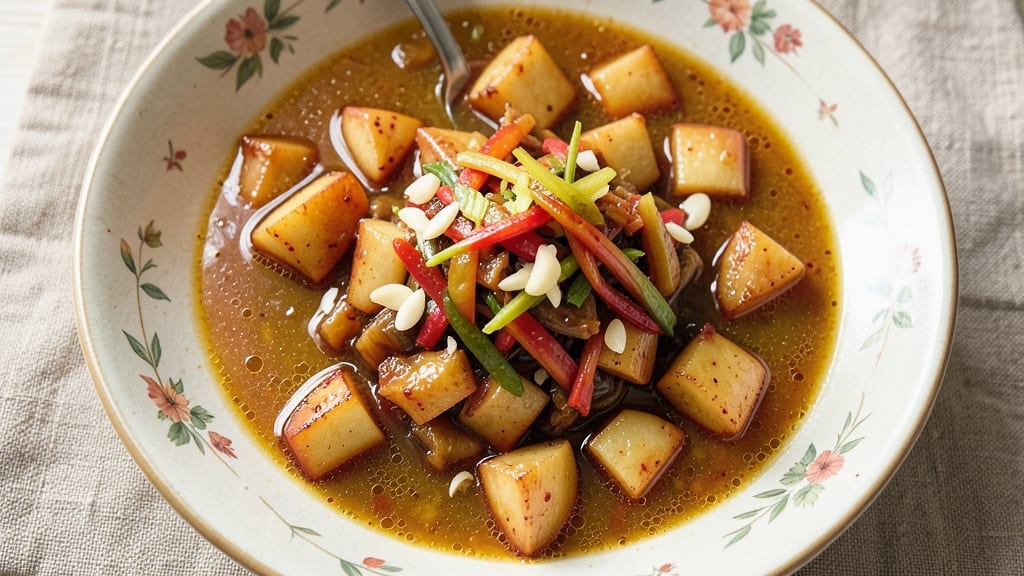
This apple kimchi sauce transforms bold fermented heat into a velvety, sweet-tart condiment that elevates everything from grilled meats to roasted vegetables. The magic happens when sharp kimchi meets tender apples, simmered with aromatic garlic and ginger until the flavors meld into a complex, balanced sauce.
I developed this recipe after craving something that bridged my love of tangy kimchi and sweet fruit—now it’s my go-to for adding depth to weeknight meals.
The process is straightforward: blend fermented kimchi with diced apples, vinegar, and a touch of sugar to balance the acidity, then simmer until thickened. The result is a glossy, slightly chunky sauce with layers of umami, sweetness, and a lingering fermented kick.
Unlike store-bought versions, this one keeps well in the fridge for up to 2 weeks or freezes beautifully for months.
Use it as a dipping sauce for spring rolls, a marinade for grilled chicken, or a drizzle over roasted Brussels sprouts and pork belly. The sweet-tart contrast cuts through rich, fatty dishes while adding a bright, fermented complexity.
It’s the kind of sauce that turns simple meals into something memorable—without requiring advanced techniques.
Best of all, the flavors deepen over time, making it perfect for batch cooking. Let’s make this versatile sauce that will become a staple in your kitchen.
Ingredients for apple kimchi sauce
Nine ingredients blend fermented heat with sweet-tart fruit for a sauce that transforms ordinary meals.
| Ingredient | Amount | Notes |
|---|---|---|
| Fermented Kimchi 🥬 | 2 cups | Packed, well-fermented for tang |
| Honeycrisp Apples 🍎 | 2 medium | Diced, skin on for texture |
| Apple Cider Vinegar 🍏 | ½ cup | For brightness and balance |
| Granulated Sugar 🍚 | ¼ cup | Adjust to taste for sweetness |
| Garlic Cloves 🧄 | 3 cloves | Minced for aromatic depth |
| Fresh Ginger 🌿 | 1 tbsp | Grated, for zesty kick |
| Sesame Oil 🫒 | 1 tbsp | Toasted for nutty aroma |
| Soy Sauce 🍜 | 1 tbsp | For umami richness |
| Red Pepper Flakes 🌶️ | ½ tsp | Optional for extra heat |
| Water 💧 | ½ cup | For thinning if needed |
The kimchi is the heart of this sauce—look for bright red, well-fermented varieties with visible garlic and chili flakes. Trader Joe's or local Asian markets usually have the best selection. Honeycrisp apples are ideal (their sweet-tart balance mirrors the kimchi), but Fuji or Gala work too. Skip the pre-diced bags—chopping your own ensures even texture. The apple cider vinegar should be raw, unfiltered for maximum tang, but regular works in a pinch. If you can't find sesame oil, toasted sesame seeds (1 tsp) will add a similar nutty depth.
No honeycrisp apples? Granny Smith adds more acidity, while Gala leans sweeter. Short on vinegar? Rice vinegar at half the amount works, but you'll lose some brightness. The sugar is key—start with ¼ cup, then taste and adjust. Too sharp? Add more sugar. Too sweet? A splash of vinegar or a pinch of red pepper flakes brings it back. The soy sauce can be swapped for coconut aminos if you're avoiding soy. For extra richness, stir in 1 tbsp tahini at the end. The ginger should be freshly grated—bottled paste lacks the zing.
This sauce tastes even better the next day as flavors meld. Store in an airtight jar in the fridge for up to 2 weeks. For longer storage, freeze in ice cube trays—perfect for adding to dishes later. The sauce thickens as it cools, so add a splash of water if it gets too stiff. I make double batches—one for the fridge, one frozen for when I crave that sweet-tart kick without planning ahead. The red pepper flakes? Add them last so you can control the heat level.
Why You'll Love This Recipe
- No Blender Needed: I swear by this—just chop, simmer, and stir. The Honeycrisp apples break down into a silky texture with the kimchi’s tang, and the garlic cloves mellow into something rich without overpowering. Honestly, it’s the kind of sauce that proves you don’t need fancy tools for something this good.
- Sweet-Savory Magic: That first bite of crispy pork or grilled chicken with this sauce? Chef’s kiss. The apple’s natural sweetness balances the kimchi’s funk, while the vinegar brightens everything up—like a tangy hug for your taste buds. (Yes, even on a Tuesday night.)
- Pantry Staple Power: Between us, this sauce turns boring meals into wow. Drizzle it over rice bowls, toss it with noodles, or use it as a glaze for roasted veggies. I’ve even slathered it on sandwiches—trust me, the combo with sharp cheddar is ridiculously good.
- Lasts a Week: Make a double batch and thank me later. The vinegar and sugar act like natural preservatives, so it keeps in the fridge for days without losing its zing. Plus, the cost? A fraction of store-bought sauces, and way more flavorful. My wallet and taste buds win.
Step-by-step instructions for apple kimchi sauce
This vibrant sauce balances tangy kimchi with sweet apples and aromatic spices—let's make it together.
Prepare the Apples and Aromatics
Start by dicing the 2 medium Honeycrisp Apples into small, even pieces—about ¼-inch cubes. The skin adds texture, so leave it on. In a separate small bowl, finely mince the 3 cloves Garlic Cloves and grate the 1 tablespoon Fresh Ginger using a microplane or fine grater. You want the ginger to be as fine as possible so it dissolves smoothly into the sauce.
Set the diced apples aside and keep the minced garlic and grated ginger ready. This prep work ensures everything cooks evenly and releases maximum flavor. If you're using pre-minced garlic or jarred ginger, skip this step—but fresh is always better when you can.
Sauté the Aromatics in Sesame Oil
Heat a medium saucepan over medium heat and add the 1 tablespoon Sesame Oil. Once the oil shimmers (about 30 seconds), add the minced garlic and grated ginger. Sauté for 1-2 minutes until the garlic turns golden and fragrant—don't let it burn, or it'll turn bitter. The ginger should soften slightly but still retain its bright color.
This step builds the aromatic foundation of your sauce. The sesame oil carries the garlic and ginger flavors while adding its own nutty depth. If you prefer a stronger toasted sesame taste, you can lightly toast the oil in the pan for 30 seconds before adding the aromatics.
Combine Kimchi, Apples, and Liquids
Add the 2 cups Fermented Kimchi to the pan along with the diced apples, 0.5 cup Apple Cider Vinegar, and 1 tablespoon Soy Sauce. Stir everything together and let it simmer over medium-low heat for 5-7 minutes. The kimchi will release its tangy juice, and the apples will begin to soften slightly while still retaining their shape.
You'll notice the sauce start to thicken as the liquid reduces. This is where the flavors begin to meld—kimchi's funky tang, apple's sweetness, and vinegar's brightness all coming together. If the mixture looks too thick at this point, you can add up to the 0.5 cup Water later to adjust consistency.
Sweeten and Season
Reduce the heat to low and stir in the 0.25 cup Granulated Sugar and 0.5 teaspoon Red Pepper Flakes. Let the sauce simmer for another 5-7 minutes, stirring occasionally. The sugar will help balance the acidity of the kimchi and vinegar, while the red pepper flakes add a subtle heat that brightens everything up.
Taste the sauce as it simmers. You might want to adjust the sweetness—if it needs more, add a little more sugar (about 1 tablespoon at a time). For more heat, add a pinch more red pepper flakes. The sauce should be perfectly balanced between sweet, tangy, and slightly spicy. If it's too thick, add some of the reserved 0.5 cup Water to reach your desired consistency.
Finish and Serve
Once the sauce reaches your preferred balance of flavors and thickness, remove it from heat. Let it cool slightly—about 5 minutes
This apple kimchi sauce is incredibly versatile. Serve it as a dipping sauce for spring rolls or dumplings, drizzle it over grilled meats, or use it as a marinade for tofu or chicken. The bright, tangy-sweet profile makes it perfect for balancing rich, fatty dishes. Store any leftovers in an airtight container in the refrigerator for up to 1 week, though it'll likely disappear faster than that!
Pro Tips For Making Apple Kimchi Sauce
- SIMMER LOW AND SLOW: I used to blast this sauce on high, thinking it’d caramelize faster—wrong. The apples release their sweetness and texture better at a steady simmer (think 325°F or just below a gentle bubble). Let it cook 15–20 minutes uncovered first to evaporate raw vinegar sharpness, then cover and reduce by half. Rushing this step leaves you with a thin, tangy glaze instead of a thick, balanced sauce.
- PEEL AND CORE APPLES UNIFORMLY: Honeycrisp apples have a thick skin that doesn’t break down evenly. Peel them first (yes, even if you love texture) and cut into ½-inch chunks for consistent cooking. A mandoline makes this faster, but a sharp knife works—just don’t skip the core. Uneven pieces mean some apples turn to mush while others stay crunchy.
- DRAIN KIMCHI WELL: That juice? It’s packed with salt and acid, which can make your sauce unpleasantly sharp. After scooping out your kimchi, press it in a clean towel to squeeze out excess liquid, then rinse briefly under cold water. Skip this, and your sauce will taste like a kimchi brine dumpster fire.
- SWAP HONEY FOR SUGAR LAST: Sugar burns faster than honey, so add it early to dissolve completely. But honey’s the real star here—fold it in during the final 5 minutes of cooking. It thickens the sauce and balances the acidity without scorching. (Pro move: warm the honey slightly first so it blends smoother.)
Serving suggestions for leftovers
Grilled Meat Glaze
Use this sauce as a bold glaze for grilled meats like pork chops or chicken thighs. Brush it on during the last 3-4 minutes of grilling over medium-high heat—the residual sugar caramelizes beautifully, creating a glossy finish.
I love pairing it with boneless pork chops seared in a cast-iron skillet, then finished with the sauce. The sweet-tart contrast cuts through the richness of the meat perfectly. 🔥
Spring Roll Dipper
Serve this sauce warm or at room temperature as a dipping sauce for spring rolls, dumplings, or even crispy tofu. The chunky texture and tangy-sweet flavor make it ideal for Asian-inspired dishes.
I like to drizzle it over steamed pork buns or use it as a quick marinade for quick-pickled veggies. For extra crunch, sprinkle with toasted sesame seeds before serving.
Roasted Veggie Elevator
Drizzle this sauce over roasted vegetables to add depth and balance their natural sweetness. Try it with Brussels sprouts or carrots roasted at 400°F for 20-25 minutes until caramelized. The sauce’s acidity brightens the earthy flavors while the sweetness enhances the natural sugars in the vegetables.
A sprinkle of crumbled feta adds a salty contrast that takes it to the next level.
Marinade Magic
Use this sauce as a marinade for tofu, chicken, or shrimp. Let it work its magic for 1-2 hours (or overnight for deeper flavor). The acidity in the vinegar and kimchi tenderizes the protein while infusing it with sweet-tart flavor.
I recommend using it on extra-firm tofu pressed for 20 minutes before marinating. Grill or pan-sear after marinating for best results.
Breakfast Twist
Surprise your taste buds by using this sauce as a condiment for breakfast. Drizzle it over scrambled eggs or pancakes for a savory-sweet wake-up call. The tangy kimchi and sweet apples add a unique twist to classic morning dishes.
For extra richness, top with crumbled bacon or avocado slices. It’s a breakfast game-changer that’ll have everyone asking for seconds! 💫
Sandwich Spread
Spread this sauce on sandwiches or wraps for a bold, flavorful kick. It pairs perfectly with grilled chicken or beef in a ciabatta roll. The sweet-tart balance complements the savory meat while adding a tangy crunch.
For extra texture, add sliced jalapeños or pickled onions to your sandwich before assembling. It’s a lunch or dinner upgrade that’s simple yet impressive.
Nutrition facts
Frequently asked questions
Can I use store-bought kimchi instead of homemade?
Store-bought kimchi works perfectly—just make sure it's well-fermented and tangy. The key is choosing a brand with visible garlic, chili flakes, and a bright red color. Avoid overly sweet or watery varieties, as they won't provide the same bold fermented flavor. If your kimchi tastes mild, add an extra ½ teaspoon of red pepper flakes to boost the heat.
How do I adjust the sweetness if my apples are tart?
If your apples (like Granny Smith) lean tart, reduce the sugar to ¼ cup first, then taste as you simmer. For extra balance, add 1 teaspoon of rice vinegar or a pinch of salt to enhance the natural sweetness. The sauce will mellow overnight, so don't over-sweeten immediately—flavors deepen during storage.
Can I make this sauce without vinegar?
While vinegar adds brightness, you can substitute with 1 tablespoon of lemon juice or lime zest for acidity. However, the sauce will lose some depth. For a fermented kick, add 1 teaspoon of fish sauce (like nam pla) to replace the umami from vinegar. The texture may thin slightly—simmer longer to thicken.
Why did my sauce separate?
Sauce separation usually means the apples released too much pectin or the heat wasn't consistent. To fix it, blend the sauce briefly (30 seconds) until smooth. For prevention, simmer on low heat and stir frequently. If it's too thick, add 1 tablespoon of water; if too thin, simmer uncovered to reduce.
How long can I store this sauce?
In an airtight container, this sauce keeps for 2 weeks in the fridge or 3 months in the freezer. For freezing, portion into ice cube trays—perfect for adding to dishes later. Thaw overnight in the fridge. The flavors actually improve after 2-3 days of refrigeration as the sweet-tart balance mellows.