
Sauces & Condiments
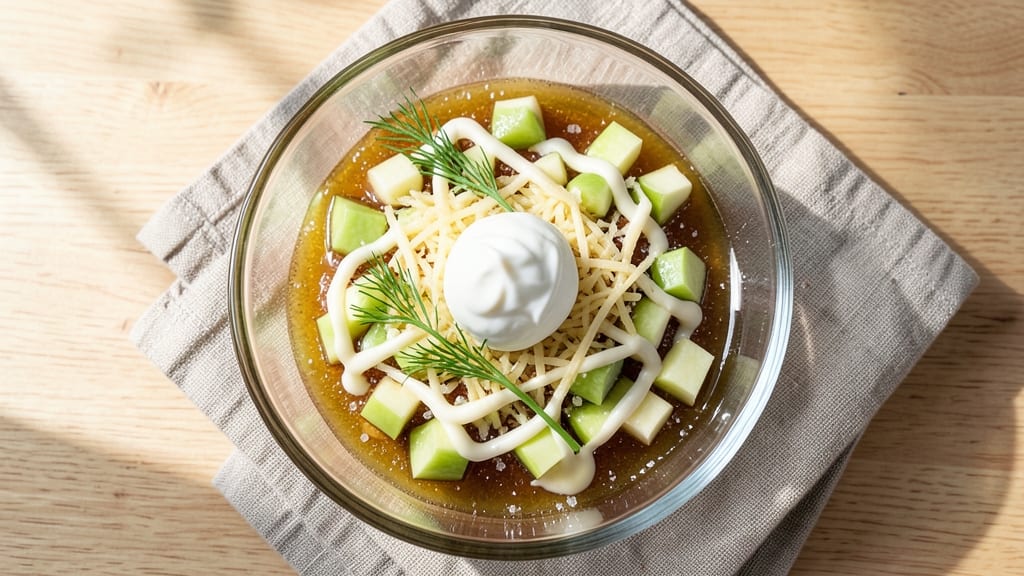
This apple horseradish sauce recipe transforms simple ingredients into a bold, tangy-sweet condiment that elevates roasted meats, sandwiches, and appetizers. The secret lies in balancing sharp horseradish with sweet apple and a touch of vinegar, creating a sauce that’s both complex and approachable.
I developed this version after years of experimenting with store-bought sauces that never quite hit the mark—too sweet, too spicy, or lacking depth.
The process is straightforward: dice fresh apples, grate fresh horseradish (or use prepared for milder heat), and simmer everything with vinegar and sugar until thickened.
A 5-minute simmer transforms raw ingredients into a vibrant, glossy sauce with layers of flavor—bright from the apple, fiery from the horseradish, and balanced by the acidity. The optional cornstarch or yogurt adds body without overpowering the natural tang.
What makes this sauce special is its versatility—drizzle it over roasted pork or beef, spread it on sandwiches, or serve it as a dip for pretzels or fries. The heat and sweetness play off each other perfectly, making it a crowd-pleaser for those who love bold flavors.
Best of all, it keeps well in the fridge for up to a week, so you can make a batch ahead for holiday meals or game day.
For those new to horseradish, start with half the amount and adjust to taste—this sauce is all about finding your ideal balance. The key is letting the flavors meld during simmering, so don’t rush it.
Once you taste the first spoonful, you’ll understand why this sauce deserves a permanent spot in your recipe arsenal.
Ingredients for apple horseradish sauce
Nine simple ingredients transform into a vibrant, bold sauce that brings heat and sweetness together perfectly.
| Ingredient | Amount | Notes |
|---|---|---|
| Granny Smith Apples 🍎 | 2 medium | Diced into small cubes |
| Fresh Horseradish Root 🌿 | ¼ cup | Grated, adjust for heat |
| Apple Cider Vinegar 💧 | ¼ cup | For tangy brightness |
| Granulated Sugar 🍚 | ¼ cup | Balances the heat |
| Cornstarch 🌾 | 1 tbsp | Optional for thickening |
| Plain Yogurt 🥛 | ¼ cup | Optional for creaminess |
| Salt 🧂 | ½ tsp | Diamond Crystal preferred |
| Black Pepper 🌶️ | ¼ tsp | Freshly ground preferred |
| Water 💧 | ¼ cup | For thinning if needed |
The horseradish is the star here, so fresh root is non-negotiable—prepared horseradish works in a pinch, but it lacks the depth and complexity. Trader Joe's and Whole Foods carry excellent fresh horseradish, or check the produce section of your local grocery store. For the apples, Granny Smiths are ideal because their tartness cuts through the horseradish's bite, but any crisp apple will work. The vinegar matters too—apple cider vinegar has subtle apple notes that complement the sauce, but white vinegar works if that's what you've got. The sugar should be granulated, not powdered, for proper dissolution during simmering.
No fresh horseradish? Prepared horseradish at half the amount gets you close, but expect less heat and more bitterness. Swap the yogurt for Greek yogurt or sour cream if you prefer a thicker texture, though the tang will be slightly different. Running short on apples? Substitute pear or tart green apple for a different flavor profile. The cornstarch is optional but helps thicken the sauce beautifully—skip it if you prefer a looser consistency. For a milder sauce, reduce the horseradish to 0.125 cup and add an extra tablespoon of sugar to balance.
This sauce keeps beautifully in the fridge for up to 1 week, though it tastes best within the first 3 days. Store it in an airtight container with a thin layer of oil on top to preserve the vibrant color. If it thickens too much, stir in a splash of water or vinegar to loosen. For a quick fix, microwave for 10-15 seconds to reheat—it reheats beautifully without losing its punch. Make a big batch and freeze in ice cube trays for easy portioning later.
Why You'll Love This Recipe
- Foolproof Ingredient List: I swear by this combo—Granny Smiths keep it sharp, fresh horseradish adds that signature kick, and a splash of apple cider vinegar ties it all together without overpowering. No obscure spices or hard-to-find items here, just pantry staples and a few minutes of prep.
- Sweet-Heat Balance: The sugar and horseradish create this addictive contrast—bright, tangy, and just spicy enough to linger. It’s the kind of sauce that makes you pause mid-bite, like a flavor revelation you didn’t know you needed.
- Weeknight Workhorse: Drizzle it on roasted chicken, mix into mashed potatoes, or serve as a dip for crudités—it’s my go-to when I’m too tired to think. The cornstarch slurry thickens it perfectly, so it’s ready in 25 minutes, not hours.
- Makes Leftovers Worth It: Between us, I always double the batch. The sauce keeps for a week in the fridge, and the taste only deepens—ideal for lazy lunches or last-minute holiday sides. Honestly, I’ve never regretted making extra.
Step-by-step instructions for apple horseradish sauce
This vibrant sauce balances sharp horseradish with sweet apple for a perfect roast companion.
Prepare the Apples and Horseradish
Core and dice the 2 medium Granny Smith apples into small, even cubes—about ½-inch pieces. The sharper the dice, the faster they'll cook down and release their juices. In a separate bowl, grate the 0.25 cup fresh horseradish root using a fine grater or food processor. Be careful with the horseradish—it releases volatile oils that can irritate your eyes and nose.
Here's the thing—horseradish loses its kick when cooked, so we want to preserve as much of that fiery freshness as possible. Set the grated horseradish aside immediately after grating. The apples and horseradish will form the flavor foundation of your sauce, so take your time with this prep step to ensure even cooking and proper flavor distribution.
Cook the Apple-Horseradish Base
In a medium saucepan, combine the diced Granny Smith apples, grated horseradish, 0.25 cup apple cider vinegar, and 0.25 cup granulated sugar. Bring the mixture to a gentle boil over medium-high heat, then immediately reduce the heat to medium-low and let it simmer uncovered for 10-12 minutes.
You're looking for the apples to soften until they're fork-tender but still hold their shape—think of them as being just shy of complete mush. Stir occasionally to prevent sticking. The mixture should reduce slightly and develop a fragrant aroma that combines sweet apple with the sharp, almost peppery notes of horseradish. If the mixture looks too thick before the apples are tender, add 1-2 tablespoons of water to help it cook down evenly.
Thicken and Season the Sauce
Once the apples are tender, remove the saucepan from the heat and let it cool slightly for 2-3 minutes. In a small bowl, whisk together the 1 tablespoon cornstarch with 2 tablespoons of cold water until smooth. Slowly stir this slurry back into the warm apple mixture, whisking constantly to prevent lumps from forming.
Return the sauce to low heat and cook for an additional 3-5 minutes, stirring frequently, until it thickens to your desired consistency. It should coat the back of a spoon but still be pourable. Season with the 0.5 teaspoon salt and 0.25 teaspoon black pepper, tasting as you go. You may need to adjust the balance of sweet, tangy, and spicy flavors—add a bit more sugar if it's too sharp, or a splash more vinegar if it needs more brightness.
Incorporate Yogurt for Creaminess (Optional)
For a smoother, creamier texture, stir in the 0.25 cup plain yogurt while the sauce is still warm but no longer simmering. The yogurt will help mellow the horseradish's heat slightly while adding a luxurious body. If you prefer a thinner sauce, whisk in 1-2 tablespoons of water at this stage to reach your ideal consistency.
This is where the sauce comes together—where the sharpness of the horseradish meets the sweetness of the apples and the tang of the vinegar. Taste it one final time and make any last-minute adjustments. The sauce should be vibrant, with a bright red hue from the horseradish and a glossy sheen from the apples. Let it cool to room temperature before serving, as this allows the flavors to meld even more beautifully.
Store and Serve
Transfer the finished sauce to an airtight container and refrigerate for at least 1 hour before serving. This resting period allows the flavors to fully develop and the sauce to thicken slightly as it chills. The sauce will keep in the refrigerator for up to 1 week, though it's best enjoyed within 3-4 days for peak freshness.
Serve the apple horseradish sauce alongside roasted meats like pork tenderloin, beef brisket, or even grilled chicken. Its bold flavors cut through rich, fatty dishes beautifully. For an extra touch, garnish with a sprinkle of fresh black pepper or a drizzle of high-quality olive oil just before serving. This sauce is a game-changer—simple to make but packed with complex, complementary flavors that elevate any main course.
Pro Tips For Making Apple Horseradish Sauce
- GRATE HORSERADISH FRESH: Fresh horseradish loses its kick fast—grate it right before using, not hours ahead. I used to prep it in advance, and by the time I mixed the sauce, the heat had mellowed to nothing. If you’re making this ahead, grate just enough for immediate use or store the root whole in the fridge (it’ll keep for weeks).
- PEEL APPLES AFTER GRATING: Granny Smiths stay crispest when you peel them after grating. The acid in the vinegar and horseradish will soften them fast, so keep the peeling to the last minute. If you peel first, the texture turns mushy—trust me, I’ve ruined batches this way.
- SIMMER LOW AND SLOW: This sauce isn’t a race. Bring it to a gentle simmer (small bubbles, barely there) and let it cook for 10–12 minutes. Rushing it makes the cornstarch turn gluey and the apples turn to paste. I learned this after one disaster where the sauce looked like wallpaper paste.
- SWAP SUGAR FOR HONEY: If you hate measuring, swap the granulated sugar for honey—same sweetness, but the sauce thickens faster and stays glossy. Use a 1:1 ratio, but add the honey after the sauce simmers for 5 minutes to let the flavors meld. (Yes, it’s weird, but it works.)
Best sauces and condiments for apple horseradish sauce
Roast Pairings
This sauce is a game-changer for roasted meats—especially pork tenderloin or beef brisket. The sweet-tangy balance cuts through rich, fatty cuts beautifully. I love serving it with herb-crusted pork chops or alongside garlic butter roasted potatoes for a complete meal.
The horseradish's heat also pairs wonderfully with smoked turkey or roast chicken, making it a versatile holiday staple. 🍖
For game day or BBQ gatherings, drizzle it over pulled pork sandwiches or use it as a dip for crudités like carrots and celery. The sauce's brightness contrasts perfectly with smoky, charred flavors.
If you're grilling, try brushing it on ribeye steaks during the last 2 minutes of cooking for a bold finish.
Sandwich Spread
Transform simple sandwiches into gourmet bites by spreading this sauce on toasted sourdough or rye bread. I love pairing it with smoked gouda and applewood-smoked bacon for a sweet-savory-salty combo.
For a lighter option, layer it between turkey slices and avocado on a ciabatta roll. The sauce's tanginess balances rich cheeses and meats beautifully.
For a vegetarian twist, spread it on grilled cheese sandwiches with sharp cheddar and sautéed mushrooms. The horseradish adds a surprising depth that elevates the classic comfort food. Pro tip: Add a pinch of garlic powder to the sauce before spreading for extra flavor complexity.
Dipping Sauce
This sauce doubles as a vibrant dip for pretzels, fries, or veggie sticks. The sweetness and heat make it addictive—perfect for game day or snacking. I like serving it with crispy roasted Brussels sprouts or parmesan crisps for a savory-sweet contrast.
For extra crunch, sprinkle toasted nuts like pecans or walnuts on top before serving. 🥔
For a spicy kick, add 1 teaspoon of hot sauce (like Cholula or Tabasco) to the warm sauce before serving. This works especially well with chicken wings or fish tacos. The sauce's natural thickness makes it ideal for dipping—no need for extra thickeners.
Global Variations
Inspired by German horseradish sauces, try swapping the apple for sautéed red cabbage and adding a splash of beer (like Weissbier) instead of vinegar. For a Middle Eastern twist, stir in 1 teaspoon of ground cumin and ½ teaspoon of smoked paprika for warmth.
The sauce also works as a salsa cruda base in Italy—toss with balsamic vinegar and fresh basil for a refreshing appetizer.
For a Southern U.S. adaptation, add ½ teaspoon of cayenne pepper and a splash of hot honey for a sweet-spicy kick. This pairs perfectly with fried chicken or BBQ ribs. The key is balancing the heat—start with less and adjust to taste.
Nutrition facts
Frequently asked questions
Can I use prepared horseradish instead of fresh?
Yes, but expect less heat and intensity. Use half the amount (about 0.125 cup) of prepared horseradish and add 1 extra tablespoon of sugar to balance the flavor. Fresh horseradish has more complex, peppery notes that mellow beautifully with the apples during simmering.
How do I adjust the heat level?
Start with the full 0.25 cup of fresh horseradish and taste as you go. For milder heat, reduce to 0.125 cup and add 1 extra tablespoon of sugar. If it's too sharp, stir in 1 teaspoon of honey or 1 tablespoon of apple juice to mellow it. The sauce's spiciness mellows slightly after chilling, so don't overdo it initially.
Can I make this sauce ahead of time?
This sauce tastes even better after 24 hours in the fridge as the flavors meld. Store it in an airtight container and stir before serving. For long-term storage, freeze in 1-tablespoon portions in ice cube trays. Thaw overnight in the fridge and stir in 1 teaspoon of water if it thickens too much.
What can I do if my sauce is too thin?
Simmer uncovered for 5-10 extra minutes to reduce it naturally. For quicker results, whisk 1 teaspoon of cornstarch with 1 tablespoon of cold water and stir into the warm sauce. If you skipped cornstarch, blend in 1 tablespoon of plain yogurt to thicken slightly. Avoid over-thickening—this sauce should remain spreadable.
Why did my sauce turn bitter?
Overcooking or using too much horseradish causes bitterness. Keep simmering time to 10-12 minutes and taste frequently. If it's bitter, balance it with 1 teaspoon of lemon juice or 1 tablespoon of honey. For future batches, reduce horseradish to 0.125 cup and add 1 extra tablespoon of sugar upfront.