
Sauces & Condiments
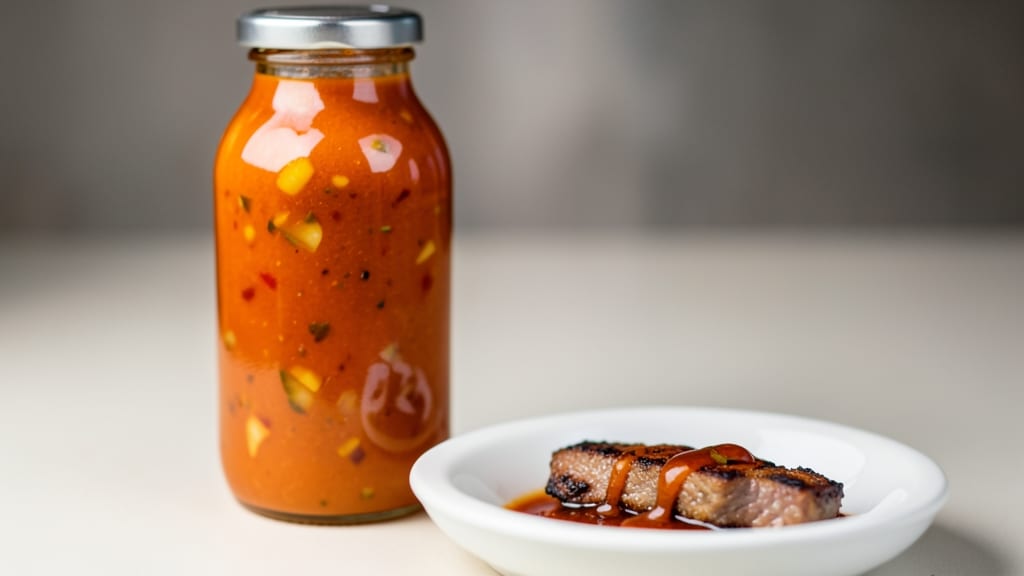
This apple habanero hot sauce delivers a perfect balance of sweet apple brightness and fiery habanero heat that transforms any dish. The key lies in fermenting the peppers first—this process mellows their intensity while preserving their signature kick, creating a sauce that's complex, tangy, and impossible to resist.
I developed this recipe after years of experimenting with fruit-based hot sauces, and the apple-habanero combo became my favorite for its unexpected harmony.
The process starts with sterilized jars and properly prepared peppers—always wear gloves when handling habaneros, as their capsaicin can irritate skin. You'll blend fermented peppers with apple cider vinegar, apple juice, and a touch of salt, then let the flavors meld over time.
The fermentation step is critical; it softens the habanero's heat while developing depth, resulting in a sauce that's both vibrant and nuanced.
What makes this sauce truly special is its versatility—drizzle it over tacos, mix it into marinades, or use it as a finishing touch for grilled meats. The sweetness of the apple balances the habanero's heat, making each bite exciting without overwhelming.
For those who prefer milder heat, you can adjust the pepper-to-apple ratio, but the fermentation process ensures even the spiciest versions remain smooth and flavorful.
Once complete, this hot sauce keeps for months in the refrigerator, making it perfect for gifting or stocking your pantry. The slow fermentation process is worth the wait, as it transforms raw ingredients into something truly extraordinary.
Let's get started on creating your own batch of this bold, balanced hot sauce.
Ingredients for apple habanero hot sauce
Fermented peppers, tangy vinegar, and sweet apple juice create this fiery-sweet hot sauce masterpiece.
| Ingredient | Amount | Notes |
|---|---|---|
| Fresh Habanero Peppers 🌶️ | 12 whole | Wear gloves when handling |
| Apple Cider Vinegar 🍎 | 2 cups | Raw, unfiltered preferred |
| Apple Juice 🍏 | 1 cup | Unsweetened, cloudy preferred |
| Granulated Sugar 🍚 | ½ cup | For fermentation balance |
| Sea Salt 🧂 | 1 ½ tbsp | Diamond Crystal preferred |
| Garlic Cloves 🧄 | 3 cloves | Minced for depth |
| Fresh Ginger 🌿 | 1 inch | Peeled, grated |
| Extra-Virgin Olive Oil 🫒 | 2 tbsp | For emulsification |
| Distilled Water 💧 | ½ cup | For brine solution |
| Honey 🍯 | 1 tbsp | Optional for sweetness |
The habaneros are the star—choose fully ripe, deep orange peppers for maximum heat and sweetness. Trader Joe's and Whole Foods often carry the freshest varieties, but any well-stocked grocery store should have them. Wear gloves at all times when handling, as the capsaicin can irritate skin and eyes. For the apple juice, I always opt for the cloudy, unfiltered kind—it has more natural enzymes that aid fermentation. If you can't find it, regular juice works, but you might need an extra splash of vinegar to balance the flavors. The garlic and ginger are non-negotiable; they add layers of complexity that make this sauce truly special.
No habaneros? Scotch bonnets work in a pinch, though they'll give a slightly different heat profile. Running short on apple juice? White grape juice or even apple cider works, but the fermentation process might take a day longer. The sugar is crucial for fermentation—don't skip it, even if you're using sweet apples. For a milder sauce, reduce the pepper count to 8-10 peppers. The olive oil is there to help emulsify the sauce later, but if you're oil-averse, you can use a splash of apple cider vinegar instead. The honey is optional but adds a lovely depth if you prefer extra sweetness.
This sauce gets better with time—ferment for at least 7 days, up to 3 weeks for maximum depth. Store in sterilized glass jars in the fridge, and it'll keep for 6-8 months. I always make a double batch; it disappears fast. For gifting, use small, dark glass bottles—they preserve the color and flavor beautifully. If you notice any mold during fermentation, toss it and start over. The fermentation process is what makes this sauce truly special, so don't rush it.
Why You'll Love This Recipe
- Five-Ingredient Magic: I swear by this—just peppers, vinegar, juice, sugar, and salt. No fancy tools, no stress. The habaneros blitz in the blender while I stir the rest on the stove, and boom, done.
- Sweet Heat Balance: That apple juice tames the habanero’s bite just enough to make it fun, not brutal. The sugar caramelizes into a glossy sheen, so every drizzle is fruity, tangy, and packed with a slow-building burn.
- Pantry Stash Flex: I keep a jar in my fridge for tacos, grilled chicken, or even stirred into marinades. The vinegar keeps it shelf-stable for weeks, and the apple base means it plays nice with everything from BBQ to deviled eggs.
- Lazy Genius Leftovers: Make a big batch—it’s cheaper per ounce than store-bought—and use it up over time. Drizzle on eggs, mix into dressings, or gift it to friends who’ll think you’re a hot sauce genius. (Between us, it’s just math.)
Step-by-step instructions for crafting apple habanero hot sauce
This fiery-sweet sauce comes together with precision—where heat meets fruit in perfect harmony.
Prepare and Sterilize the Habaneros
Wearing gloves (those peppers pack serious heat!), carefully wash the 12 whole fresh habanero peppers under cool running water to remove any surface debris. I like to pat them completely dry with paper towels—this prevents water from diluting the final sauce.
Next, transfer the peppers to a clean glass jar or bowl. Pour the 2 cups apple cider vinegar over them, ensuring they're fully submerged. Let them soak for 15 minutes while you prep the remaining ingredients. This initial vinegar bath helps soften the peppers slightly and begins extracting their vibrant color and fiery compounds.
Blend the Base Ingredients
In a high-powered blender, combine the soaked habaneros (with their vinegar), the 1 cup apple juice, the 0.5 cup granulated sugar, and the 1.5 tbsp sea salt. I always use a high-speed blender for this—it breaks down the peppers more thoroughly, creating a smoother sauce with better heat distribution.
Blend on high for 30-45 seconds until completely smooth. You'll notice the mixture will be thick and vibrant red-orange, with a strong aroma of both fruit and spice. Taste a small amount—this is your flavor foundation. If you want to adjust the sweetness, you can add the 1 tbsp honey now, but I prefer to let the natural flavors develop first.
Cook and Simmer the Sauce
Transfer the blended mixture to a heavy-bottomed saucepan and place it over medium heat. Add the 0.5 cup distilled water and stir to combine. Bring to a gentle simmer, then reduce heat to low and let it cook uncovered for 20-25 minutes, stirring occasionally.
During this time, the sauce will thicken noticeably as the vinegar and water evaporate. You're looking for a consistency similar to ketchup—thick enough to coat the back of a spoon but still pourable. The aroma will intensify, with bright apple notes mingling with the habanero's signature heat. If the sauce starts to splatter, reduce the heat slightly to maintain a gentle simmer.
Incorporate Aromatics and Finish
While the sauce simmers, finely mince the 3 cloves garlic and grate the 1 inch fresh ginger using a microplane. When the sauce reaches the desired thickness, remove it from heat and stir in the garlic and ginger. Let it steep off the heat for 5 minutes—this allows the aromatics to infuse without cooking down further.
Finally, stir in the 2 tbsp extra-virgin olive oil. This step is crucial for emulsification—it helps create that silky texture and prevents separation. The oil should be fully incorporated, giving the sauce a glossy sheen. Taste again and adjust seasoning if needed, adding more salt or honey as desired.
Bottle and Rest for Maximum Flavor
Transfer the hot sauce to clean sterilized bottles or jars, leaving about ½ inch headspace at the top. Seal tightly and let it cool to room temperature. Once cooled, refrigerate for at least 24 hours before using—this resting period allows all the flavors to meld together beautifully.
The sauce will continue to develop complexity over time, with the heat mellowing slightly and the sweet apple notes becoming more pronounced. I like to give mine 3-4 days in the fridge before serving, as this really brings out the depth of flavor. When ready to use, shake gently before each serving to redistribute any settled ingredients.
Pro Tips For Making Apple Habanero Hot Sauce
- Blister, Don’t Burn: Habaneros release their heat and flavor best when their skins split open—so hold them over a gas flame (or under the broiler) until blackened in spots. I used to toss them straight into the vinegar whole, and the sauce stayed dull. Charred peppers = deeper, smokier complexity.
- Peel While Warm: As soon as those habaneros hit boiling water (or vinegar), their skins will slide off like guilty secrets. Skip the ice bath—just dump them into a bowl of cold water for 30 seconds, then peel. You’ll save time and avoid the sad, rubbery texture that comes from over-handling.
- Reduce Slow and Low: Rushing the simmer turns your sauce into syrup. After adding sugar and vinegar, drop the heat to a bare simmer and let it bubble gently for 20-30 minutes. I learned this after making a sticky, underdeveloped mess—now my sauce has that glossy, balanced finish.
- Strain Twice for Smoothness: First pass through a fine-mesh strainer catches seeds and skin. For real silkiness, press the pulp through a cheesecloth-lined sieve. Yes, it’s extra work, but the difference between chunky and restaurant-worthy is night and day. (Pro move: Save the strained pulp for salsa or chutney.)
Creative variations of this dish
Sweet Heat Fusion
This sauce is all about balancing apple's natural sweetness with habanero's fiery kick. For a milder version, reduce habaneros to 8-10 peppers while keeping the apple juice at 1 cup. If you want extra heat, add 1-2 extra habaneros—just
Fermentation Variations
Want to try lacto-fermentation instead of vinegar? Swap the apple cider vinegar for 1.5 cups water and add 1 tbsp sea salt to the brine. Let the peppers ferment for 3-5 days before blending—this creates a tangier, probiotic-rich sauce. For a dry rub twist, blend the fermented peppers into a paste and mix with 1 tbsp smoked paprika before cooking. The smoky depth pairs beautifully with the apple's brightness.
Fruit Swaps
Craving a different fruit flavor? Try peach (for a tropical twist) or pineapple (for tangy brightness). Replace the apple juice with 1 cup pureed fruit and adjust the sugar to 0.25 cup—peaches are naturally sweeter, while pineapple needs a touch more acidity.
For a berry variation, blend in 0.5 cup blackberries after cooking—they add a jammy texture that contrasts the habanero's heat. 🍑
Spice Level Control
To reduce heat, remove the habanero seeds and membranes before fermenting—they contain most of the capsaicin. For a smoother finish, strain the cooked sauce through a fine-mesh sieve to remove any pepper skins.
If you love smoky flavors, add 1 tsp chipotle powder or 1 smoked habanero to the blend. The smokiness cuts through the sweetness and adds depth. Always taste as you go—adjustments are easy at this stage!
Global Twists
Inspired by Caribbean flavors? Add 1 tsp allspice and 0.5 tsp thyme during fermentation for a jerk-inspired kick. For an Asian fusion, stir in 1 tsp grated ginger and 0.5 tsp five-spice powder at the end—this creates a sweet-spicy sauce perfect for dipping or glazing.
The global flavors work surprisingly well with the apple-habanero base, opening up endless possibilities. ✨
Nutrition facts
Frequently asked questions
Why ferment the habaneros instead of cooking them immediately?
Fermenting first mellows the habanero's raw heat while developing deeper, complex flavors. The vinegar and sugar create a gentle fermentation that softens the peppers and reduces their sharpness, resulting in a smoother sauce with balanced sweetness and heat. This process also helps extract more vibrant color and flavor compounds from the peppers.
Can I substitute habaneros with another hot pepper?
Yes! Scotch bonnets work well with similar heat levels, while serranos or jalapeños will produce milder results. For extra smokiness, try smoked habaneros or add 1 tsp chipotle powder to the blend. Just adjust the quantity—habaneros are one of the hottest peppers, so fewer peppers will mean less heat overall.
How do I adjust the sweetness or heat level? For milder heat, reduce habaneros to 8-10 peppers or remove seeds/membranes before fermenting. To increase sweetness, add 1-2 tbsp honey during cooking or use more apple juice. For extra heat, add 1-2 extra habaneros—just
How long does this hot sauce keep, and how should I store it?
Store in sterilized glass jars in the fridge for up to 6-8 months. The sauce continues developing flavor over time, so it actually improves with age. For gifting, use dark glass bottles to protect from light. If you notice any mold during fermentation, discard immediately and start fresh.
What are the best ways to use this hot sauce?
This versatile sauce works perfectly on tacos, grilled meats, or as a dipping sauce for fries. Try it in marinades for chicken or pork, or mix into mayo for a spicy-sweet sandwich spread. The sweetness balances heat, making it great for both savory and slightly sweet dishes. Start with 1 tsp and adjust to taste!