
Sauces & Condiments
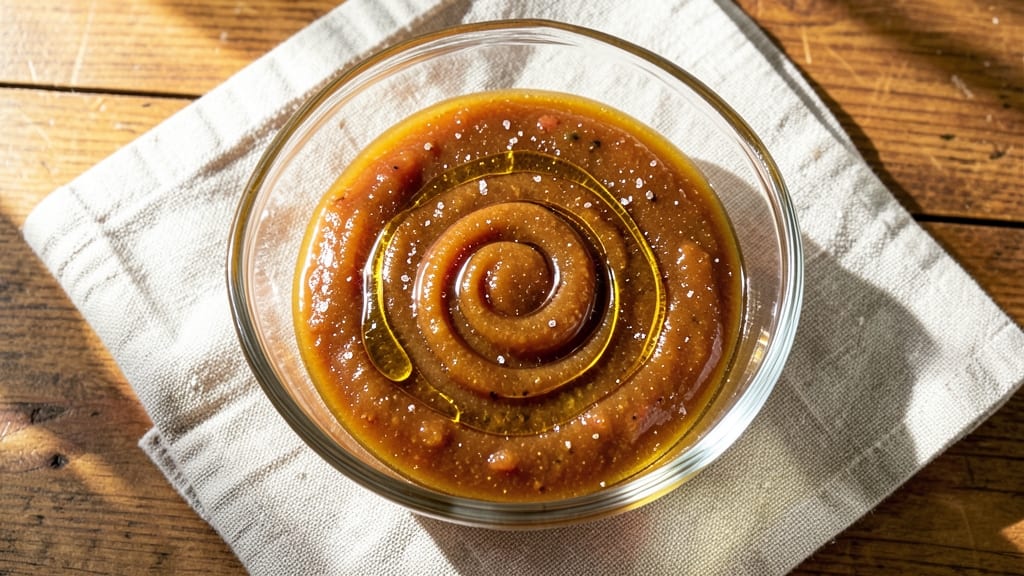
This Apple Dijon dressing recipe transforms ordinary salads into vibrant, flavor-packed meals with just five simple ingredients. The perfect balance of tangy apple cider vinegar, smooth Dijon mustard, and sweet apple purée creates a dressing that’s bright, balanced, and impossible to resist.
It’s the kind of sauce that elevates even the simplest greens into something extraordinary—no fancy techniques required.
The beauty of this dressing lies in its versatility and ease. Made in 10 minutes with basic pantry staples, it keeps beautifully in the fridge for up to a week, making it ideal for meal prep.
The apple purée adds natural sweetness while the Dijon mustard brings depth, creating a harmony that works equally well on crisp arugula, hearty kale, or roasted winter vegetables.
What sets this dressing apart is its ability to adapt to any season. In summer, it pairs perfectly with fresh greens and grilled chicken, while in fall and winter, it adds a touch of warmth to roasted Brussels sprouts or butternut squash.
The texture is silky yet light, ensuring every bite is fresh and full of flavor without overpowering your dish.
Scalable for batch use, this dressing is a game-changer for anyone looking to add a gourmet touch to their meals without the fuss. Whether you’re dressing a simple salad or drizzling it over roasted vegetables, the result is always restaurant-quality.
Here’s how to make it—simple, foolproof, and full of bright green energy.
Ingredients for apple dijon dressing
Five simple ingredients transform ordinary salads into vibrant, restaurant-quality meals with bright green energy.
| Ingredient | Amount | Notes |
|---|---|---|
| Apple Cider Vinegar 🍎 | ½ cup | Raw, unfiltered preferred for depth |
| Dijon Mustard 🌶️ | 3 tbsp | High-quality, smooth variety |
| Apple Purée 🍏 | ½ cup | Homemade or store-bought unsweetened |
| Extra-Virgin Olive Oil 🫒 | ¾ cup | Fruity, peppery variety preferred |
| Granulated Sugar 🍚 | 1 tbsp | Or honey/maple syrup for variation |
| Sea Salt 🧂 | ½ tsp | Fine grain preferred for balance |
| Freshly Ground Black Pepper 🌶️ | ¼ tsp | For subtle finishing touch |
The apple cider vinegar is the backbone—Bragg or Texas Pete are solid choices, but any raw, unfiltered brand works. For the mustard, Maille or Amoy bring that signature smoothness, but don't stress if you only have generic store-brand. The apple purée can be homemade (simply blend peeled apples with a splash of water) or grabbed from the canned goods aisle—Mott's unsweetened is my go-to. Olive oil matters here: California Avocado Ranch or Colavita add that fruity depth, but any good extra-virgin will do. Skip the light or mild oils—they won't cut through the acidity properly.
No apple purée? Mashed apple butter at half the amount works in a pinch, though it'll be thicker. Dijon mustard too expensive? Yellow mustard plus 1 tsp honey mimics the sweet-tangy balance. For a sharper kick, add 1 tsp lemon juice at the end. The sugar can be swapped for maple syrup or agave if you prefer. Salt is flexible—adjust to taste, but remember this dressing needs to stand up to greens that might already be salty. Freshly ground pepper is ideal, but pre-ground works fine if it's labeled 'freshly ground' on the package.
This dressing keeps beautifully in an airtight jar for up to 1 week in the fridge. The flavors actually meld better after a day or two, so make a batch and let it sit overnight for maximum depth. For longer storage, freeze in ice cube trays—perfect for single-serving portions. Shake well before using, especially if it separates. The texture should be silky, not grainy, so if it thickens too much, stir in a splash of water or apple cider vinegar to thin it out.
Why You'll Love This Recipe
- No Whisk Needed: I swear by this one—just shake it. Three ingredients in a jar, a quick swirl, and boom, you’ve got dressing without the fuss of emulsifying. The apple purée and Dijon blend so smoothly you’ll wonder why you ever bothered with store-bought.
- Sweet-Tart Magic: That first bite of crisp greens with this tangy-sweet punch? It’s the apple cider vinegar cutting through the sugar, then the Dijon adding depth—like a bite of a caramel apple meets a fancy bistro salad. Honestly, it’s the kind of flavor that makes you pause mid-bite.
- Salad’s Best Friend: Use it on greens, toss it with roasted veggies, or drizzle it over grilled chicken—this stuff elevates everything. I keep a jar in the fridge for when I’m scrambling to throw together a meal and need that instant wow factor. (Yes, even on a Tuesday night.)
- Makes a Jarful: A big batch lasts me weeks, and it’s cheaper than buying individual dressings. Plus, the olive oil keeps it fresh longer, so you’re not scrambling to finish it before it goes bad. Between us, I’ve had this dressing months after making it—and it still tastes spot-on.
Step-by-step instructions for apple Dijon dressing
This vibrant dressing comes together in minutes with simple technique.
Whisk Together the Base Ingredients
In a medium bowl, combine the 0.5 cup apple cider vinegar, 0.5 cup apple purée, and 1 tablespoon granulated sugar. Stir until the sugar fully dissolves—you should see a smooth, slightly syrupy mixture with no graininess. The apple purée will add natural sweetness and a subtle apple flavor that complements the tangy vinegar.
Here's the thing—using raw, unfiltered apple cider vinegar makes a noticeable difference in depth of flavor. If you're using filtered, add an extra ½ teaspoon of sugar to balance the milder acidity. The mixture should smell bright and slightly fruity at this stage, with no harsh vinegar overpowering the apple notes.
Incorporate the Dijon Mustard
Add the 3 tablespoons Dijon mustard to the vinegar mixture and whisk vigorously for 1-2 minutes until completely smooth. The mustard should blend in without any visible streaks—this ensures an even distribution of flavor throughout the dressing. You'll notice the mixture thicken slightly as the mustard emulsifies with the vinegar and apple purée.
Don't skip this whisking step. The Dijon mustard contains tiny seeds that can create a gritty texture if not fully incorporated. Use a fork or whisk to break up any lumps, and keep whisking until the mixture reaches a consistency similar to thick honey. This is your emulsifying base that will help bind the oil later.
Gradually Add the Olive Oil
With the mixture still whisking, very slowly drizzle in the 0.75 cup extra-virgin olive oil. Add it drop by drop at first, then in a thin stream as the mixture begins to emulsify. This gradual addition is crucial—it prevents the dressing from separating. You're looking for a smooth, creamy texture that coats the back of a spoon without feeling greasy.
The key is patience. If you add the oil too quickly, you'll end up with a broken dressing. Keep whisking continuously until all the oil is incorporated and the dressing reaches a velvety consistency. The final texture should be thick enough to coat greens but still flow easily when drizzled. At this point, the dressing should smell rich with fruity, tangy, and slightly peppery notes.
Season and Adjust Consistency
Add the 0.5 teaspoon sea salt and 0.25 teaspoon freshly ground black pepper, then give everything one final whisk. Taste the dressing immediately—this is when you can make any adjustments. If it needs more sweetness, add another ½ teaspoon sugar or a pinch more salt. If it's too thick, thin with 1 teaspoon water at a time until it reaches your desired consistency.
Here's a pro tip: Let the dressing sit for 10 minutes before using it. This resting period allows the flavors to meld completely and any slight separation to re-emulsify. If it does separate after resting, simply give it another good whisk before using. The final dressing should be bright, tangy, and perfectly balanced—ready to elevate any green salad or grain bowl.
Pro Tips For Making Apple Dijon Dressing
- STIR IN STAGES: Mix the apple cider vinegar and Dijon first—this keeps the sugar from crystallizing when you add it later. Once the sugar dissolves, then drizzle in the olive oil slowly while stirring constantly, or you’ll end up with a split dressing.
- USE COOL APPLE PURÉE: Skip the hot purée—straight-from-the-fridge works best. Warmth can turn the dressing cloudy or separate later, and you’ll lose that bright, clean apple flavor you’re after.
- WEIGH THE MUSTARD: Don’t eyeball the Dijon. A tablespoon is about 15 grams, but some brands pack it differently—too much makes it bitter, too little and the dressing lacks depth. A quick kitchen scale fixes this every time.
- SWAP SUGAR FOR HONEY: If you’re short on time, replace half the granulated sugar with honey. It dissolves instantly, cuts down on stirring, and adds a subtle floral note that balances the vinegar—just reduce the vinegar by a teaspoon first.
Dietary considerations for this recipe
Gluten-Free Adaptations
This dressing is naturally gluten-free since it relies on apple cider vinegar, Dijon mustard, and olive oil—all gluten-free staples. However, always double-check your Dijon mustard label, as some brands may contain gluten as an anti-caking agent.
I recommend Maille or Amoy, which are certified gluten-free. The apple purée and sugar are also inherently safe, but if using store-bought purée, verify the label for hidden additives. 🌾
Vegan-Friendly Options
The original recipe is already vegan, but you can enhance it with plant-based tweaks. Swap honey for maple syrup or agave to maintain vegan status while keeping the sweetness. For extra richness, use a nut-based oil like almond or walnut oil instead of olive oil—it adds a delightful nutty depth.
The Dijon mustard remains vegan-friendly, but check labels to ensure no animal-derived additives.
Low-Sugar Adjustments
If you're watching your sugar intake, reduce the granulated sugar to ½ tablespoon and enhance sweetness with a splash of unsweetened apple juice (about 1 tablespoon). The natural sugars in the apple purée will still provide balance without overpowering the tangy vinegar.
For a completely sugar-free version, omit it entirely and rely on the apple's inherent sweetness—just taste as you go and adjust saltiness to compensate. 🍏
Nut-Free Considerations
While the dressing itself is nut-free, if you're avoiding nuts due to allergies, stick to olive oil and avoid nut-based alternatives. The recipe naturally fits into nut-free diets, but always cross-check ingredient labels for cross-contamination warnings.
For example, some Dijon mustards may be processed in facilities that handle nuts. When in doubt, opt for organic or specialty-brand mustards labeled as nut-free.
Allergy-Safe Swaps
For those with mustard allergies, replace the Dijon with 1 tablespoon lemon juice and 1 teaspoon apple cider vinegar to mimic the tangy brightness. The texture will be slightly thinner, but the flavor remains vibrant.
If you're sensitive to sulfites, use a sulfite-free apple cider vinegar like Bragg Organic. Always read labels carefully—some brands add preservatives that may trigger sensitivities. 🚫
Nutrition facts
Frequently asked questions
Can I make this dressing thicker or thinner?
For a thicker texture, reduce the olive oil by 1 tablespoon or add 1 teaspoon cornstarch mixed with water. To thin it out, stir in 1 teaspoon water or apple cider vinegar at a time until you reach your desired consistency. The dressing should coat greens well but not pool at the bottom of your bowl.
How long will this dressing keep in the fridge?
Store the dressing in an airtight container in the fridge for up to 1 week. The flavors actually improve over time, so it's perfect for meal prep. If it separates, just whisk vigorously before using. For longer storage, freeze in ice cube trays and thaw as needed.
What are the best greens to use with this dressing?
This dressing shines on peppery greens like arugula and watercress, but it also works beautifully with spinach, kale, or mixed baby greens. For heartier salads, try it with roasted Brussels sprouts, butternut squash, or even grilled chicken. The apple-Dijon combo adds a sweet-tangy contrast that cuts through bitter greens perfectly.
Can I substitute apple cider vinegar?
Yes, but the flavor will change slightly. Use white wine vinegar for a milder taste or balsamic vinegar for extra depth (reduce to ¼ cup since it's stronger). For a fruity twist, try cranberry juice instead of apple purée—just adjust the sweetness to taste. The key is balancing acidity and sweetness.
Why did my dressing separate?
Separation usually happens when oil and vinegar aren't properly emulsified. Fix it by whisking vigorously or using a blender to recombine the ingredients. To prevent it next time, add the oil more slowly while whisking continuously. A splash of lemon juice can also help stabilize the emulsion. Most separated dressings can be saved with a little effort!