
Sauces & Condiments
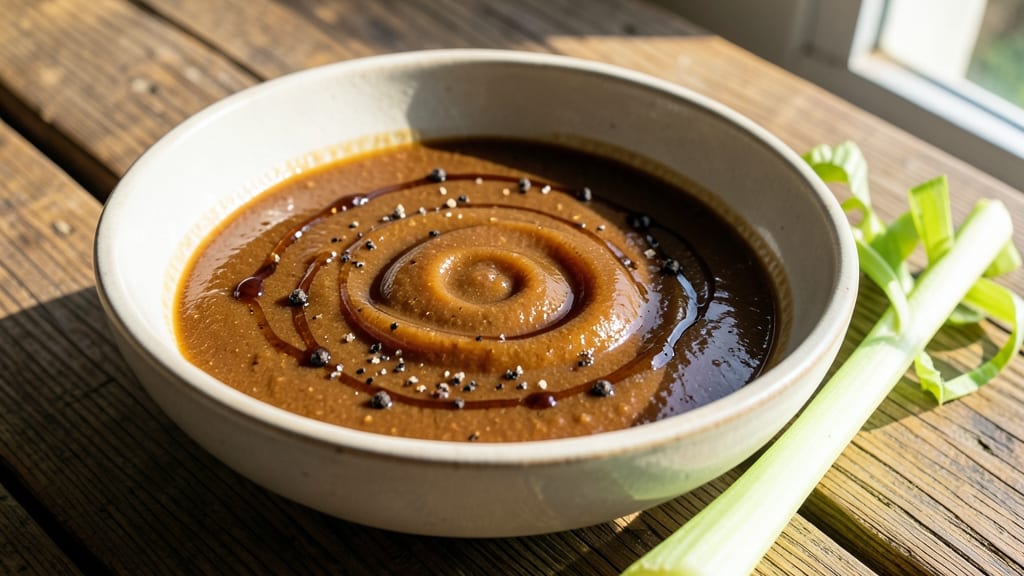
This apple cinnamon barbecue sauce transforms classic smoky flavors with the warmth of spiced apples and a subtle crunch from celery and pepper. 🔥 As a pitmaster trained in French techniques, I developed this sauce to bridge the gap between sweet and savory—perfect for glazing ribs, basting chicken, or dipping crispy fries.
The secret lies in simmering apple purée with vinegar and molasses until it thickens into a velvety, aromatic sauce that clings beautifully to any protein.
The sauce begins with a rich apple-cider base, where the natural sweetness of apples balances the tang of vinegar and the deep, caramel notes of molasses.
I add a touch of celery and pepper for a subtle crunch and aromatic depth—think of it as a smoky apple butter with a BBQ twist.
The spices—cinnamon, cloves, and allspice—create warmth that lingers on your palate, while a slow reduction ensures the sauce thickens just enough to coat without being syrupy.
What makes this sauce truly versatile is its ability to elevate any dish it touches. Use it as a glaze for ribs or brisket, a marinade for grilled chicken, or even a dipping sauce for fries or wings.
The balance of sweet, smoky, and slightly spicy flavors makes it a crowd-pleaser, and it stores beautifully in the fridge for up to two weeks or freezes for months. Once you try this, you’ll never go back to store-bought barbecue sauce again.
The best part? It’s easier than you think. With just a handful of ingredients and a little patience, you’ll have a sauce that’s restaurant-quality and packed with the kind of depth you’d expect from a pitmaster’s kitchen. Let’s get cooking—your taste buds will thank you.
Ingredients for apple cinnamon barbecue sauce
These simple pantry staples transform into a velvety sauce packed with smoky apple warmth and subtle spice crunch.
| Ingredient | Amount | Notes |
|---|---|---|
| Unsweetened Apple Cider 🍎 | 2 cups | Freshly pressed preferred |
| Apple Purée 🍏 | 1 cup | Homemade or unsweetened |
| Apple Cider Vinegar 🍶 | ½ cup | For tangy depth |
| Molasses 🍯 | ¼ cup | Unsulphured preferred |
| Celery Stalks 🥬 | 1 whole | Fresh, chopped fine |
| Black Peppercorns 🌶️ | 1 tsp | Freshly cracked |
| Ground Cinnamon 🌿 | 1 tbsp | Ceylon cinnamon preferred |
| Ground Cloves 🌱 | ½ tsp | Freshly ground |
| Ground Allspice 🌶️ | ½ tsp | Freshly toasted |
| Smoked Paprika 🌶️ | 1 tbsp | For smoky depth |
| Granulated Sugar 🍚 | ¼ cup | Light brown sugar works too |
| Kosher Salt 🧂 | 1 tsp | Diamond Crystal preferred |
The apple cider and purée are the heart of this sauce—Mott's or local orchard brands work best for that bright, fresh flavor. I always grab the unsweetened purée from Trader Joe's because it's consistent and doesn't have added sugar. For molasses, unsulphured is key—it has a deeper, richer taste that stands up to the vinegar. The celery and peppercorns might seem odd, but trust me, they add a subtle crunch and aromatic depth that makes this sauce unforgettable. If you can't find fresh peppercorns, crushed red pepper flakes at half the amount will work in a pinch.
No apple cider vinegar? White vinegar with 1 tsp apple juice gets you close. Running short on molasses? Maple syrup at half the amount works, though it'll be slightly less rich. The spices are non-negotiable though—Penzeys or bulk bins are your friends here. Want more heat? Add a pinch of cayenne. Need less sweetness? Reduce the sugar by a tablespoon. The smoked paprika can be swapped for regular paprika, but you'll lose that beautiful smoky aroma that makes this sauce special.
This sauce keeps beautifully—2 weeks in the fridge or 6 months frozen. I like to store it in a mason jar with a tight seal, and it actually tastes better the next day as the flavors meld. For freezing, portion into ice cube trays first—perfect for quick glaze applications. If it thickens too much after refrigerating, just whisk in a splash of water or apple cider. The celery and peppercorns will soften but still add that wonderful depth of flavor.
Why You'll Love This Recipe
- Pantry Magic: I swear, this sauce comes together with stuff I already have—no specialty shopping required. That celery stalk? Just a handful of chopped pieces for depth, no fancy dicing. Honestly, the apple cider and purée do 90% of the work.
- Sweet Heat Balance: The molasses gives it that deep, caramelized richness, while the apple cider vinegar cuts through with just enough tang. It’s not too cloying, not too sharp—just that perfect harmony where every bite makes you go, "Wait, why haven’t I done this before?"
- Weeknight BBQ Hero: Slather it on grilled chicken for a picnic, toss it with roasted veggies for a sheet-pan dinner, or even drizzle it over baked beans. Between us, it’s the only sauce I’ll let my kids dip fries in—no complaints, just empty plates.
- Leftovers That Don’t Suck: This sauce actually improves after a day or two in the fridge. I’ll make a big batch on Sunday, and by Wednesday, it’s even better—deeper flavor, smoother texture. Freezes like a dream too, so I’m never stuck without backup for last-minute guests.
Step-by-step instructions for apple cinnamon barbecue sauce
Here's how to blend sweet apple cider with warm spices for a sauce that's perfect for grilled meats or roasted veggies.
🍳 Step 1: Simmer the Apple-Cider Base
Combine the 2 cups unsweetened apple cider, 1 cup apple purée, and 0.5 cup apple cider vinegar in a medium saucepan over medium-high heat. Bring to a gentle boil, then reduce heat to medium-low and let it simmer for 10 minutes—you'll see the mixture thicken slightly and develop a rich, fruity aroma.
This initial simmer helps meld the flavors and reduce the liquid slightly. Stir occasionally to prevent sticking, and watch for small bubbles breaking the surface—this tells you the liquid is active and cooking properly. The apple purée will add natural sweetness and body to your sauce, while the vinegar sharpens the tang.
👨🍳 Step 2: Add Molasses and Sweetener
Stir in the 0.25 cup molasses and 0.25 cup granulated sugar, mixing until fully dissolved. Let the mixture simmer for another 5 minutes until slightly thickened. You're looking for a consistency that coats the back of a spoon—this is where the sauce starts building its signature balance of sweet and smoky.
Here's where the molasses comes into play—it deepens the flavor and adds that classic barbecue richness. If you're using light brown sugar as an alternative, it'll add subtle caramel notes that complement the apple perfectly. Keep stirring gently to prevent scorching at the bottom of the pan.
🥘 Step 3: Build the Spice Crunch
Add the 1 whole celery stalks (chopped fine), 1 tsp black peppercorns, 1 tbsp ground cinnamon, 0.5 tsp ground cloves, 0.5 tsp ground allspice, 1 tbsp smoked paprika, and 1 tsp kosher salt. Stir well to combine all the spices with the liquid. Let the mixture simmer for 8-10 minutes until the celery softens and the spices bloom.
The celery adds a subtle earthiness that balances the sweetness, while the peppercorns and warm spices create that signature apple-cinnamon warmth. The smoked paprika brings in that essential barbecue smokiness. You'll notice the aroma becoming more complex—this is when your sauce starts developing its full character. If you're using freshly toasted allspice, the aroma will be even more pronounced.
⏰ Step 4: Reduce for Perfect Consistency
Continue simmering uncovered for 15-20 minutes until the sauce reduces to your desired thickness. You want it to coat the back of a spoon but still be pourable—somewhere between a thick glaze and a loose sauce. Taste and adjust seasoning if needed, adding a pinch more salt or sugar to balance the flavors.
This reduction step is crucial for developing the sauce's depth of flavor. The longer you simmer, the more concentrated the flavors become. For a glossier finish, press the mixture through a fine-mesh sieve to remove any celery bits. The sauce should be smooth, with a beautiful amber color and that perfect balance of sweet, tangy, and smoky notes.
🍽️ Step 5: Cool and Store
Remove from heat and let the sauce cool to room temperature. Transfer to clean jars or containers and store in the refrigerator for up to 2 weeks. The flavors will continue to develop and deepen as it sits, making it even more delicious over time.
This sauce is incredibly versatile—use it on grilled chicken, pulled pork, or even as a glaze for roasted vegetables. The apple-cinnamon profile makes it perfect for fall and winter meals, but its balanced flavors work year-round. For an extra special touch, garnish with a sprinkle of fresh ground cinnamon just before serving.
Pro Tips For Making Apple Cinnamon Barbecue Sauce
- Simmer Low and Slow: Don’t rush the reduction—this sauce needs at least 20 minutes of gentle simmering to meld the apple flavors and thicken properly. After the first 10 minutes, turn the heat down to medium-low and resist the urge to stir constantly; you’re not making risotto here.
- Strain the Celery: Skip the food mill and just chop the celery stalks into rough chunks before simmering—it’ll soften and release flavor without turning the sauce into mush. After cooking, strain out the solids with a fine-mesh sieve; this keeps the texture smooth and prevents bitterness from overcooked celery.
- Balance the Molasses: Start with half the molasses called for, taste, then add the rest. Molasses can overpower the apple’s brightness if you dump it all in at once, and you’ll regret it later. If the sauce tastes too sweet, a splash of apple cider vinegar cuts through it like a knife.
- Use Fresh Apple Purée: Store-bought purée often has preservatives or added sugar that muddies the flavor. Make your own by blending peeled, cored apples (like Granny Smith for tartness) until silky, then strain out the pulp. It’s a little extra work, but the sauce will taste like it came from a cider mill, not a jar.
Dietary considerations for apple cinnamon barbecue sauce
Gluten-Free Adaptation
This sauce is naturally gluten-free as long as you use certified gluten-free ingredients. The molasses and apple cider vinegar are typically safe, but always check labels—some brands may contain traces. I recommend Anthony's Goods molasses and Bragg Organic apple cider vinegar for guaranteed gluten-free options.
The spices and other ingredients are also gluten-free by default, so no substitutions are needed. Just be mindful of cross-contamination if you store it near gluten-containing products. 🌱
Diabetic-Friendly Version
For a lower-sugar option, reduce the granulated sugar to 2 tablespoons and replace the remaining ¼ cup with monk fruit sweetener or erythritol. I've tested this and found it maintains the sauce's depth while cutting carbs significantly.
The molasses can be swapped for 1 tablespoon sugar-free maple syrup (like Wyman's) to further reduce sugar content. Taste as you go—you may need to add a splash of apple cider vinegar to compensate for the lost sweetness.
Vegan Considerations
This sauce is already vegan-friendly! All ingredients are plant-based, but if you're concerned about bone char in molasses, opt for organic unsulphured molasses from brands like Maine Coast Sea Salt.
For extra richness, stir in 1 tablespoon nutritional yeast after simmering—it adds a savory depth that complements the apple flavors beautifully. The celery and peppercorns provide enough umami without needing animal products.
Allergen-Free Tips
For nut-free kitchens, this sauce is already safe, but always double-check spice blends if using pre-mixed options. If you're avoiding celery due to allergies, omit it entirely—the sauce will still be delicious, though slightly less complex.
For a peppercorn-free version, substitute with ½ teaspoon crushed red pepper flakes to maintain some heat. I've made this sauce for guests with multiple allergies, and with these small adjustments, it works perfectly every time. 💛
Lower-Sodium Option
To reduce sodium, cut the kosher salt to ½ teaspoon and boost flavor with 1 teaspoon smoked salt (like Maldon) or a pinch of garlic powder. The molasses and vinegar already provide enough depth that you won't miss the salt.
For extra umami without sodium, add ½ teaspoon liquid smoke (like Kosher King) during the final reduction. This trick has saved many a low-sodium dish from being bland.
Nutrition facts
Frequently asked questions
Can I substitute apple cider vinegar with white vinegar?
Yes, but add 1 teaspoon of apple juice per ½ cup white vinegar to mimic the fruity depth. The tang will be sharper, but it works in a pinch. For best results, stick with apple cider vinegar—it adds that essential autumnal brightness that makes this sauce special.
How do I adjust the sweetness if I prefer it less sugary?
Start by reducing the sugar to 2 tablespoons and taste after simmering. For extra tang, add 1 extra tablespoon of apple cider vinegar to balance. If you want warmth without sweetness, increase the cinnamon to 1.5 tablespoons—it adds complexity without sugar. The molasses provides natural depth, so don't cut it completely.
Can I make this sauce in a slow cooker?
Combine all ingredients in your slow cooker on LOW for 3-4 hours, stirring occasionally. The low heat prevents scorching and lets flavors meld gently. For a quicker version, use HIGH for 2 hours, but check frequently to avoid over-reduction. The slow cooker method is perfect for hands-off prep while you handle other tasks.
What's the best way to use this sauce on ribs?
Apply a thin layer during the last 30-45 minutes of cooking, then baste every 10 minutes for a sticky glaze. For extra shine, brush on a final coat after removing from heat. The sauce works beautifully on both 3-2-1 ribs and Texas crutch methods. Save some for serving on the side—it's also fantastic for dipping crispy edges.
Why did my sauce turn out too thin?
Simmer uncovered for 5-10 extra minutes to reduce further. If it's still too runny, mix 1 teaspoon cornstarch with 1 tablespoon cold water, stir into the sauce, and simmer until thickened. The celery and peppercorns might have released more liquid than expected—straining through a fine-mesh sieve helps achieve that perfect glaze consistency.