
Sauces & Condiments
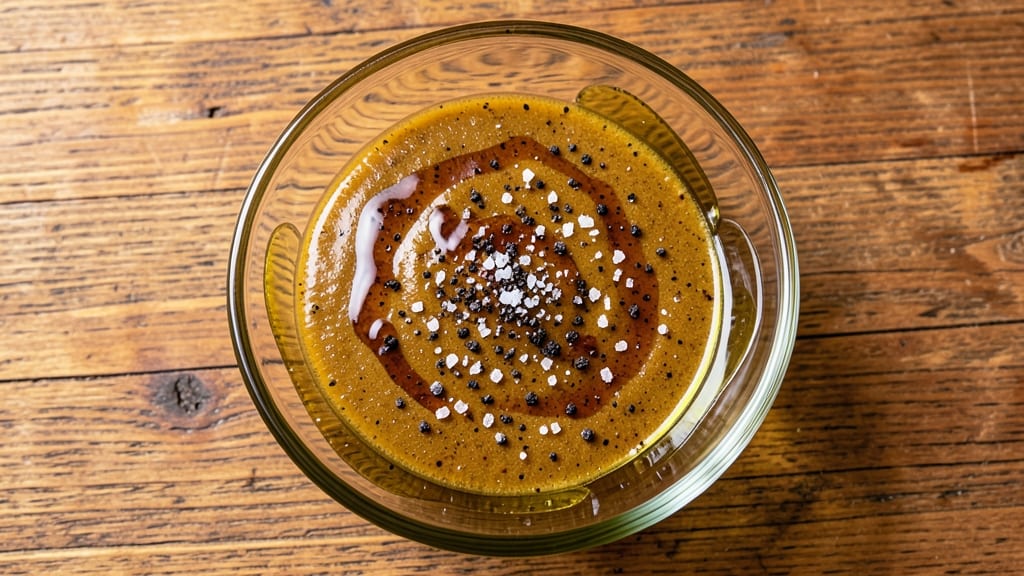
This apple cider vinegar vinaigrette dressing recipe transforms simple salads into vibrant, flavor-packed meals with just a few pantry staples. The tangy depth of apple cider vinegar—paired with rich olive oil, Dijon mustard, and a touch of sweetness—creates a dressing that elevates everything from greens to roasted vegetables.
I developed this recipe after realizing how often store-bought dressings fell short of fresh, bright flavor, and it’s now my go-to for quick, restaurant-quality results.
The beauty of this vinaigrette lies in its simplicity and versatility. With just 5 ingredients and 10 minutes of prep, you’ll have a dressing that’s vegan-friendly, shelf-stable for up to a week, and adaptable to any dish.
The balance of acidity, richness, and subtle sweetness makes it perfect for drizzling over salads, marinating proteins, or even adding a tangy kick to soups. No fancy techniques required—just whisk and taste as you go.
What sets this dressing apart is its ability to cut through rich ingredients while enhancing their natural flavors. The apple cider vinegar adds a warm, slightly fruity tang, while the Dijon mustard deepens the complexity.
Whether you’re tossing it with arugula, drizzling it over grilled chicken, or using it as a dip for crusty bread, the result is a dressing that’s bold yet balanced, with no aftertaste.
For best results, store it in an airtight container in the refrigerator, where the flavors will continue to meld and deepen over time. Double the batch—this dressing disappears faster than you can say "second helping." Let’s get started on a recipe that’s as easy as it is impressive.
Ingredients for apple cider vinegar vinaigrette dressing
Five simple ingredients transform into restaurant-quality vinaigrette in minutes.
| Ingredient | Amount | Notes |
|---|---|---|
| Apple Cider Vinegar 🍏 | ½ cup | Raw, unfiltered preferred |
| Extra-Virgin Olive Oil 🫒 | ¾ cup | Light or fruity variety |
| Dijon Mustard 🌶️ | 1 tbsp | Mild or hot, not prepared |
| Pure Maple Syrup 🍁 | 1 tbsp | Grade B for richer flavor |
| Diamond Crystal Kosher Salt 🧂 | ½ tsp | Fine grain preferred |
| Freshly Ground Black Pepper 🌶️ | ¼ tsp | Cracked peppercorns preferred |
| Garlic Cloves 🧄 | 1 whole | Minced, for optional depth |
The apple cider vinegar should be raw and unfiltered—that cloudy, fruity stuff adds depth. Bragg or Texas Pete are my go-tos, but any quality brand works. Olive oil? Trader Joe's Three Olives or California Avocados light oil keep it bright. The Dijon mustard is non-negotiable—Maille if you're splurging, but store-brand works too. For the maple syrup, Grade B has that smoky richness, but Grade A is fine if that's what you've got. Freshly cracked peppercorns make all the difference—Penzeys sells them pre-ground if you're lazy, but grinding your own takes 10 seconds.
No apple cider vinegar? White wine vinegar plus 1 tsp honey substitute works in a pinch. Swap Dijon for whole-grain mustard if you're out, but the tang will be milder. Olive oil shortages? Avocado oil is a neutral swap. The garlic clove is optional—skip it if you're sensitive to raw garlic, but it adds a lovely complexity. For sweetness, agave or date syrup work too, though maple's flavor is unmatched. If your dressing tastes too sharp, add a pinch more maple. Too mild? More vinegar or salt. Always taste as you go—this is where the magic happens.
Store in a clean glass jar with a tight seal. Keeps for up to 1 week in the fridge, though I never have leftovers that long. Double the batch—this disappears fast. The flavors actually improve after 24 hours as everything melds. For serving, I like to pour it into a small pitcher with a spoon so it's ready to drizzle. No need to refrigerate if using within 2 hours, but once opened, it's fridge-only. Freezes beautifully for up to 3 months if you're prepping ahead for a big salad day.
Why You'll Love This Recipe
- Here’s what sold me: the Dijon mustard adds a little bite, but the maple syrup smooths it out so it’s never overpowering. Drizzle it over crispy roasted Brussels sprouts or toss it with a simple grain salad—suddenly, everything tastes like a fall afternoon. I’ll be real, I’ve made vinaigrettes that were just too sharp or cloyingly sweet, but this one? Spot-on every time.
- Five-Ingredient Magic: I swear by this combo—just shake, taste, adjust. No fancy tools, no stress, and honestly, the ratio of effort to flavor is criminally good. That tangy vinegar cuts through the richness of olive oil like a dream, and the maple syrup? It’s the secret handshake that makes it taste homemade instead of store-bought.
- Tangy-Sweet Balance: Here’s what sold me: the Dijon mustard adds a little bite, but the maple syrup smooths it out so it’s never overpowering. Drizzle it over crispy roasted Brussels sprouts or toss it with a simple grain salad—suddenly, everything tastes like a fall afternoon. I’ll be real, I’ve made vinaigrettes that were just too sharp or cloyingly sweet, but this one? Spot-on every time.
- Weeknight Workhorse: Between us, this is my go-to for anything from a rushed lunch to a last-minute charcuterie board. It’s the kind of dressing that doesn’t need a special occasion—dump it on a sad bagged salad, use it to moisten a meatloaf before baking, or even glaze roasted carrots. I keep a jar in the fridge at all times because, yes, even on a Tuesday night, I want something that tastes like I put in effort.
Step-by-step instructions for apple cider vinaigrette dressing
This bright, balanced dressing comes together in minutes with just a few thoughtful steps.
Whisk Together the Vinegar and Mustard
In a medium bowl, combine the 0.5 cup apple cider vinegar and 1 tbsp Dijon mustard. Use a whisk to blend them vigorously for about 30 seconds until the mustard is fully incorporated and no streaks remain. This initial mixture creates the perfect acid-base balance that will carry through your dressing.
The apple cider vinegar should be raw and unfiltered for maximum tang and depth of flavor. If you're using a particularly strong vinegar, you might want to start with slightly less than the full amount and adjust to taste at the end. Here's where the magic begins - the acidity from the vinegar will mingle with the mustard's subtle heat, creating the foundation for your dressing.
Gradually Incorporate the Olive Oil
With the whisk still in hand, begin adding the 0.75 cup extra-virgin olive oil very slowly - no more than 1 tablespoon at a time. This gradual approach is crucial because it allows you to emulsify the dressing properly rather than creating a separation. Whisk continuously until the oil is fully incorporated after each addition.
You'll notice the mixture will initially look broken, with oil floating on top. But with persistent whisking, it will eventually come together into a smooth, emulsified dressing. This is where patience pays off - the more you whisk at this stage, the more stable your final dressing will be. If you're concerned about the dressing separating later, you can always whisk it again before using.
Add Sweetness and Seasoning
Stir in the 1 tbsp pure maple syrup, 0.5 tsp Diamond Crystal kosher salt, and 0.25 tsp freshly ground black pepper using a silicone spatula. The maple syrup will balance the acidity while adding subtle complexity. Be sure to use Grade B maple syrup if possible - its richer flavor profile will elevate your dressing.
For an optional depth of flavor, you can also add the minced 1 whole garlic clove at this stage. The garlic will infuse the dressing with aromatic notes that pair beautifully with the vinegar's tang. If you choose to include it, let it sit in the dressing for at least 5 minutes to fully meld with the other flavors before using.
Taste and Adjust for Perfect Balance
Taste your dressing immediately after combining all ingredients. You're looking for a harmonious balance between the tangy vinegar, the rich olive oil, and the subtle sweetness. At this stage, you might need to adjust one or more components to achieve perfect equilibrium.
If it needs more acidity, add a splash more apple cider vinegar. If it's too sharp, a touch more maple syrup will help mellow the flavor. For extra richness, you can add a bit more olive oil. Remember, the dressing should be bright and tangy but not overwhelmingly sour. The goal is to create a dressing that enhances the flavors of your salad or dish rather than overpowering them.
Pro Tips For Making Apple Cider Vinegar Vinaigrette Dressing
- Whisk in stages: Start by mixing the vinegar, mustard, and maple syrup—this prevents the oil from separating when you add it later. I used to dump everything in at once, and half the time, I ended up with a greasy sludge instead of a silky dressing.
- Use room-temperature oil: Cold olive oil blends unevenly and can make your dressing look cloudy. Let that bottle sit out for 10-15 minutes before measuring—your salad will thank you for the smooth, glossy finish.
- Salt the mustard: Diamond Crystal kosher salt is less salty than table salt, so add a pinch (about ¼ teaspoon) directly to the mustard before mixing. Skipping this step means your dressing might taste flat, even if you salt the final dish.
- Emulsify with a spoon: After whisking, give the dressing a quick stir with a plain wooden spoon—this breaks up any stubborn oil pockets. It’s not as pretty as a perfect emulsion, but it works every time without extra effort.
Common mistakes when making this dish
Overwhisking the Oil
I’ve seen so many people whisk this dressing until their arms ache, thinking more effort equals better results. But overwhisking can actually break the emulsion, causing the oil to separate.
Once the dressing looks silky and fully combined (usually after 2-3 minutes of total whisking), stop. The oil should stay suspended without streaks—if it does, you’ve achieved the perfect balance. 🍏
Skipping the Gradual Oil Addition
Pouring all the olive oil in at once is a classic rookie move. The key is adding it 1 tablespoon at a time while whisking constantly. This gradual approach lets the vinegar and mustard mixture emulsify properly, creating a stable dressing that won’t separate.
If you rush this step, you’ll end up with a sad, oily mess that needs constant shaking before use.
Ignoring the Taste Test
Never skip tasting your dressing as you go! Many people assume the recipe’s measurements are perfect, but vinegar strength and sweetness preferences vary. If your dressing tastes too sharp, add a pinch more maple syrup.
If it’s too mild, a splash of extra vinegar will wake it up. Trust your palate—this is where the magic happens.
Using Old or Low-Quality Ingredients
Stale vinegar or cheap olive oil will make your dressing taste flat and unappetizing. Always use raw, unfiltered apple cider vinegar (like Bragg) and extra-virgin olive oil (like California Avocados).
The quality of these two ingredients makes or breaks your dressing. If you’re using store-brand vinegar, you might need to adjust the measurements—some brands are milder than others.
Not Storing It Properly
Leaving your dressing at room temperature for too long can cause bacterial growth and spoilage. Once made, store it in an airtight glass jar in the fridge within 2 hours.
It’ll keep for up to 1 week, but if you notice any strange smells or textures, toss it. Pro tip: Label your jar with the date so you don’t forget.
Forgetting to Shake Before Using
Even the best emulsified dressing can separate over time. Before pouring, give it a good shake to redistribute any separated oil. A quick whisk will also work if you’re using it right away.
This is especially important if you’ve stored it for a few days—the dressing might look broken, but a little effort brings it back to perfection. 💫
Nutrition facts
Frequently asked questions
Can I substitute white wine vinegar for apple cider vinegar?
Yes, but you’ll need to adjust the sweetness. Use white wine vinegar plus 1 teaspoon honey or maple syrup to compensate for apple cider’s natural fruitiness. The flavor will be sharper and less complex, but it works in a pinch. For best results, stick with apple cider—its depth elevates the dressing.
How long will this dressing keep in the fridge?
This vinaigrette stays fresh for up to 1 week when stored in an airtight glass jar. The flavors actually improve as they meld—it’s best after 24 hours! If you notice any off smells or cloudiness, toss it. For longer storage, freeze for up to 3 months in an ice cube tray (thaw in the fridge).
Why did my dressing separate?
Separation usually happens from overwhisking or adding oil too quickly. The fix? Give it a vigorous shake or whisk before using—it’ll re-emulsify instantly. For prevention, add oil 1 tablespoon at a time while whisking constantly. If it keeps separating, try adding ½ teaspoon more Dijon mustard (it acts as a natural emulsifier).
What’s the best way to use this dressing beyond salads?
This versatile vinaigrette works as a marinade for chicken or tofu (add 1 teaspoon soy sauce), a dip for fresh bread or veggie sticks, or even a tangy finish for roasted potatoes or grains>. Drizzle it over grilled fish or steak> before serving, or use it to deglaze pans for sauces. The acidity tenderizes proteins beautifully!
Can I make this dressing without maple syrup?
Swap the maple syrup for agave nectar, date syrup, or even a pinch of sugar (½ teaspoon). For a fruitier twist, try 1 teaspoon honey (though it’s not vegan) or ½ teaspoon orange zest. Just remember: the sweetener balances the acidity, so omit it only if you love bold, sharp flavors. Taste as you go!