
Main Courses
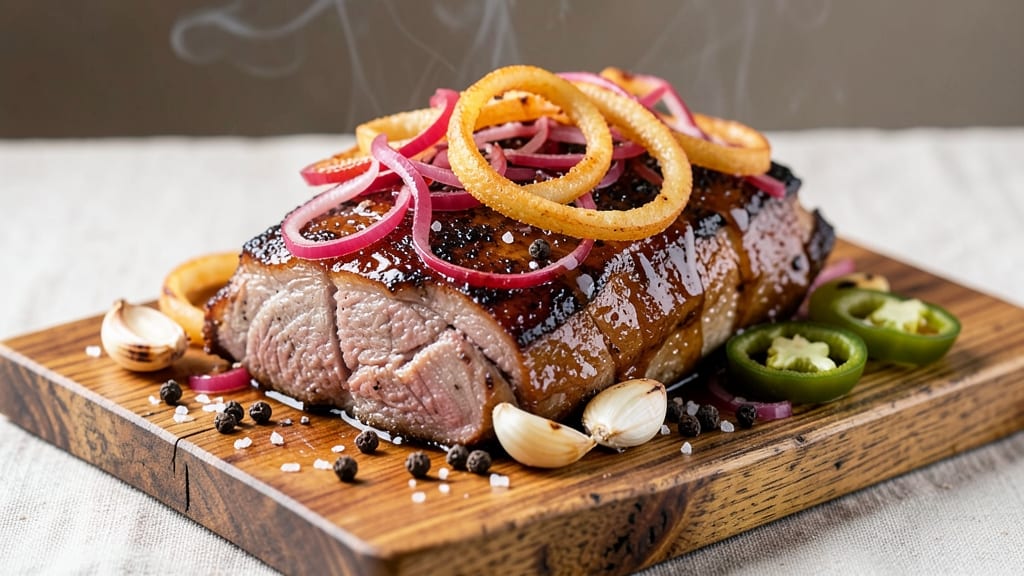
This apple cider vinegar brisket spray transforms your smoked brisket from good to legendary with just a few simple ingredients and a misting bottle. The acidity in the vinegar tenderizes the bark while enhancing smoke penetration, creating a deep, caramelized crust that locks in juices and intensifies flavor.
I developed this recipe after noticing how restaurant-quality brisket always had that perfect balance of tang and smokiness—turns out, it's all about the spray.
The magic happens in the simple ratio of apple cider vinegar to water (1:1), with optional spices like garlic powder, onion powder, salt, and pepper to customize the flavor profile. Unlike commercial sprays, this version is 100% customizable, letting you adjust the intensity to match your brisket's needs.
The key is applying it every 90 minutes during the smoking process, which helps create that coveted dark bark while keeping the meat tender and juicy.
What this spray does is elevate your brisket's texture and depth without altering the natural smoking process. The vinegar's acidity breaks down the surface proteins just enough to form a crispy, flavorful crust, while the moisture from the spray prevents the bark from becoming too hard.
The result? A brisket with restaurant-quality bark that's packed with layers of smoky, tangy flavor in every bite.
Perfect for both beginners and pitmasters, this spray is a game-changer for anyone looking to take their brisket to the next level. Whether you're smoking for a crowd or treating yourself to a weekend project, this simple technique ensures your brisket will be the star of the meal.
Let's get started on creating that perfect bark.
Ingredients for apple cider vinegar spray for brisket
Eight ingredients that transform your brisket from ordinary to legendary with every mist.
| Ingredient | Amount | Notes |
|---|---|---|
| Apple Cider Vinegar 🍎 | 1 cup | Raw, unfiltered preferred for depth |
| Water 💧 | 1 cup | Filtered or distilled preferred |
| Garlic Powder 🧄 | 1 tbsp | Freshly ground for best flavor |
| Onion Powder 🧅 | 1 tbsp | Finely ground for smooth texture |
| Kosher Salt 🧂 | 1 tbsp | Diamond Crystal preferred |
| Freshly Ground Black Pepper 🌶️ | ½ tbsp | Cracked peppercorns preferred |
| Smoked Paprika 🌶️ | ½ tbsp | For subtle smoky depth |
| Brown Sugar 🍯 | 1 tbsp | Light or dark preferred |
The apple cider vinegar is the star—Bragg or Texas Pete are my go-tos, but any raw, unfiltered brand works. The acidity is what creates that perfect bark, so don't skimp. For the water, filtered or distilled prevents mineral buildup in your spray bottle. Smoked paprika might seem like a small addition, but it bridges the gap between the vinegar's tang and the smoky flavor you're building. I always grab Penzeys or McCormick for my spices—they stay potent longer. The brown sugar might seem optional, but it helps caramelize the bark beautifully during smoking.
No apple cider vinegar? White vinegar or malt vinegar work in a pinch, though they won't have the same depth of flavor. Running low on smoked paprika? Regular paprika plus a pinch of liquid smoke gets you close. The brown sugar can be swapped for white sugar or even maple syrup if you're out, though the caramelization won't be identical. Freshly ground spices are ideal, but if you're using pre-ground, toast them in a dry pan for 30 seconds to wake up the flavors. And if you're worried about the spray being too acidic, reduce the vinegar by 25% and add more water to balance it out.
This spray keeps indefinitely in the fridge—glass spray bottle preferred to avoid plastic absorption. Shake well before each use since ingredients settle. For maximum effectiveness, apply every 90 minutes during the smoking process. I like to make a double batch—one for immediate use and one to keep in my smoker setup for future projects. The spray's magic lies in its simplicity, but don't underestimate how much it elevates your brisket. Trust me, your bark will thank you.
Why You'll Love This Recipe
- No-Fuss Mixer: I keep a spray bottle in my fridge—just shake, spritz, and let the brisket soak up that tangy garlic-onion punch while I prep the rest of dinner. No measuring cups, no fancy tools, just a quick spray and go.
- Tangy Crust Magic: That vinegar spray doesn’t just add flavor—it creates this irresistible caramelized crust that cracks open like a perfect pie shell. The salt and garlic powder cling to the meat, turning every bite into a savory, slightly sweet revelation.
- Smoker or Stovetop: Whether I’m slow-cooking a whole packer or searing thin slices for tacos, this spray works. A few spritzes mid-cook keeps the brisket juicy and adds that bright, acidic kick that cuts through the richness—no matter the method.
- Budget Hack: I buy ACV in bulk, and this recipe uses less than a tablespoon per use. For the cost of a fancy rub, I get a spray that lasts weeks, making it my go-to for feeding a crowd without breaking the bank. Plus, leftovers? Just reheat and spritz again.
Step-by-step instructions for apple cider vinegar brisket spray
This spray transforms your brisket from good to legendary with every spritz.
👨🍳 Step 1: Whisk the Dry Seasoning Blend
In a small bowl, combine the 1 tablespoon garlic powder, 1 tablespoon onion powder, 1 tablespoon kosher salt, 0.5 tablespoon freshly ground black pepper, 0.5 tablespoon smoked paprika, and 1 tablespoon brown sugar. Whisk vigorously for 30 seconds until the spices are thoroughly blended and no dry spots remain.
This dry mix forms the flavor backbone of your spray. I use a fork to break up any clumps that might form from the brown sugar, ensuring an even distribution. The garlic and onion powders provide aromatic depth, while the smoked paprika adds that subtle smokiness that mimics traditional bark development.
🍳 Step 2: Combine Wet Ingredients for the Base
In a separate measuring cup, pour the 1 cup apple cider vinegar and 1 cup water. Stir gently with a spoon to mix. The raw, unfiltered apple cider vinegar is crucial here—it contains the "mother" culture that adds complexity and depth of flavor. If you're using filtered, you'll still get great results, but with slightly less tang.
Let this mixture sit for 5 minutes while you prepare the dry blend. This brief rest allows any sediment to settle, giving you a clearer spray solution. The 50/50 ratio with water prevents the vinegar from being too acidic when applied directly to the meat.
🥘 Step 3: Create the Spray Mixture
Transfer the wet ingredients to a clean glass jar with a tight-fitting lid. Add the dry seasoning blend and seal the jar. Shake vigorously for 20-30 seconds until the spices are fully incorporated and the mixture takes on a rich, reddish-brown hue. The texture should be smooth with no visible powder clumps.
Here's where the magic happens: the vinegar's acidity begins breaking down the spices immediately, creating a flavorful infusion. I like to give it one final shake right before using to ensure maximum flavor extraction. The mixture should have a pleasant, aromatic smell—like a cross between a spice rub and fresh-baked bread.
⏰ Step 4: Transfer to a Spray Bottle
Using a fine-mist spray bottle, carefully pour the mixture from the jar. Fill it no more than ¾ full to allow room for shaking. The fine-mist setting is critical—it creates an even, fine coating on the brisket without making it soggy. If you don't have a spray bottle, a clean glass spray bottle with a fine nozzle works perfectly.
Shake the bottle vigorously for 10 seconds before your first use and again before each application. The ingredients naturally separate, so this ensures you get consistent flavor and texture with every spritz. Store the bottle in the refrigerator when not in use to preserve freshness and prevent bacterial growth.
🔥 Step 5: Apply During Smoking for Maximum Impact
When your brisket reaches the stall (around 165-170°F internal temperature), remove it from the smoker and let it cool slightly for 5 minutes. Then, spray the mixture generously over all surfaces, focusing on the fat cap and edges where you want that coveted bark to form. Return the brisket to the smoker and continue cooking.
I recommend applying the spray 2-3 times during the cook, particularly when you notice the bark starting to form but want to enhance it further. The acidity in the vinegar helps tenderize the meat while the spices create that beautiful, dark bark. The result is a brisket with intense flavor, perfect texture, and a stunning presentation that'll impress anyone who sees it.
Pro Tips For Making Apple Cider Vinegar Spray For Brisket
- USE UNFILTERED ACV: I learned this the hard way—store-bought apple cider vinegar with "cloudy" or "unfiltered" labels has real flavor. The sediment isn’t just for show; it carries the tang and depth that turns a brisket spray from "meh" to "wow." Skip the clear stuff unless you’re okay with a one-note flavor.
- SHAKEN NOT STIRRED: This isn’t a martini—give that spray bottle a good shake before each use, especially if you’re storing leftovers. The garlic and onion powders sink like rocks, and you don’t want to miss the punch when you’re basting. I used to forget, and my brisket tasted like someone forgot to season half of it.
- SPRAY IN LAYERS: Don’t drench the brisket all at once. Light coats let the vinegar evaporate into flavor instead of pooling into a sticky mess. Aim for 3-4 sprays per side during each bark phase, then let it sit 10-15 seconds before repeating. Your future self will thank you—no more soggy crust, just crispy, tangy magic.
- SALT THE WATER: Most recipes treat the water as an afterthought, but adding ½ teaspoon of kosher salt per cup of water makes the spray work harder. It mimics a brine’s ability to tenderize while keeping the brisket’s surface active for better bark adhesion. I was skeptical until I tried it—now it’s non-negotiable.
Regional styles of this apple cider vinegar spray for brisket
Texas-Style Smoky Bark
In Texas, this spray is a game-changer for competition-style brisket, where the bark is prized as much as the meat. I've seen pitmasters use a similar approach with yellow mustard as a binder, but the vinegar spray creates that signature dark crust without the mustard's lingering tang.
The key is applying it every 90 minutes during the 225°F low-and-slow cook, focusing on the fat cap and edges. Texas-style brisket often includes coffee grounds in the rub, so I add an extra ½ teaspoon of instant coffee granules to the spray for that deep, roasted note. 🌶️
Carolina Vinegar Glaze
Down South, they take the vinegar spray concept further by creating a thicker glaze version—just reduce the water by half and add 1 tablespoon of honey to the mix. This creates a sticky, glossy bark that's less acidic but equally flavorful.
I've used this technique for whole-hog smoking, where the vinegar helps tenderize the tougher cuts while the honey adds a subtle sweetness. The Carolina approach often includes cayenne pepper, so I bump up the smoked paprika to 1 tablespoon and add a pinch of cayenne for heat.
This works beautifully with hickory or pecan wood for that classic Southern smoke flavor.
Kansas City Sweet & Tangy
The Kansas City barbecue scene loves a sweet-and-tangy profile, so I adjust the spray by doubling the brown sugar to 2 tablespoons and adding ½ teaspoon of cinnamon for warmth. This version pairs perfectly with their pepper-heavy rubs, creating a bark that's both sweet and smoky.
I've seen BBQ joints in KC use a similar spray during the final 2 hours of cooking, spraying it every 60 minutes to build that glossy, caramelized crust. The cinnamon adds a surprising depth that complements the vinegar's acidity beautifully. 🍯
Midwest Applewood Twist
Up North, where applewood smoke reigns supreme, I modify the spray by adding 1 teaspoon of apple cider powder (found in baking aisles) to enhance the applewood flavor. This works especially well with beef brisket smoked over applewood chips, creating a cohesive flavor profile.
The Midwest approach often includes less salt in the spray, so I reduce the kosher salt to ½ tablespoon and add a pinch of celery salt for a subtle umami note. This spray is perfect for holiday gatherings, where the applewood and vinegar create a nostalgic, comforting flavor. 🍎
Modern Fusion Approach
For a contemporary twist, I've experimented with adding 1 teaspoon of liquid smoke to the spray, which intensifies the bark's smokiness without needing extra wood. This works surprisingly well in urban smoking setups where wood availability is limited.
I also like to add ½ teaspoon of MSG (just a pinch!) to deepen the umami flavor—it's a secret weapon in many professional kitchens. This fusion approach is ideal for small-batch brisket or when you want to experiment with bold flavors.
The liquid smoke and MSG create a bark that's rich, complex, and packed with layers of taste. 💫
Nutrition facts
Frequently asked questions
Why does apple cider vinegar help create better brisket bark?
The acidity in apple cider vinegar breaks down the surface proteins of the brisket, creating a perfect canvas for that dark, flavorful crust. It also helps tenderize the meat while enhancing smoke penetration, resulting in a bark that's both crispy and packed with layers of smoky flavor. The vinegar's tang cuts through the richness of the meat beautifully.
Can I use this spray on other meats besides brisket?
This spray works wonderfully on pork shoulder, ribs, and even chicken thighs. The vinegar's tenderizing properties and flavor-enhancing qualities make it perfect for any meat you're smoking or grilling. Just adjust the application frequency based on the cook time and meat type.
How often should I spray the brisket during cooking?
For best results, apply the spray every 90 minutes during the smoking process, focusing on the fat cap and edges. This timing helps build that coveted dark bark without making the meat soggy. Start spraying when the brisket reaches the stall (around 165-170°F) for maximum impact.
Will this spray work in an oven or just for smoking?
While this spray is designed specifically for smoking, you can adapt it for oven-roasting by applying it 2-3 times during the cook (every 45-60 minutes). The vinegar's acidity still helps create a flavorful crust, though the bark won't be as dark as with smoking. For oven use, reduce the water slightly to prevent excess moisture.
What if I don't have apple cider vinegar?
You can substitute with white vinegar or malt vinegar, though the flavor won't be as complex. For a closer alternative, try rice vinegar or even a splash of lemon juice (though it won't have the same depth). The key is maintaining the acidity—just reduce the amount slightly if using a milder vinegar to avoid overpowering the meat.