
Main Courses
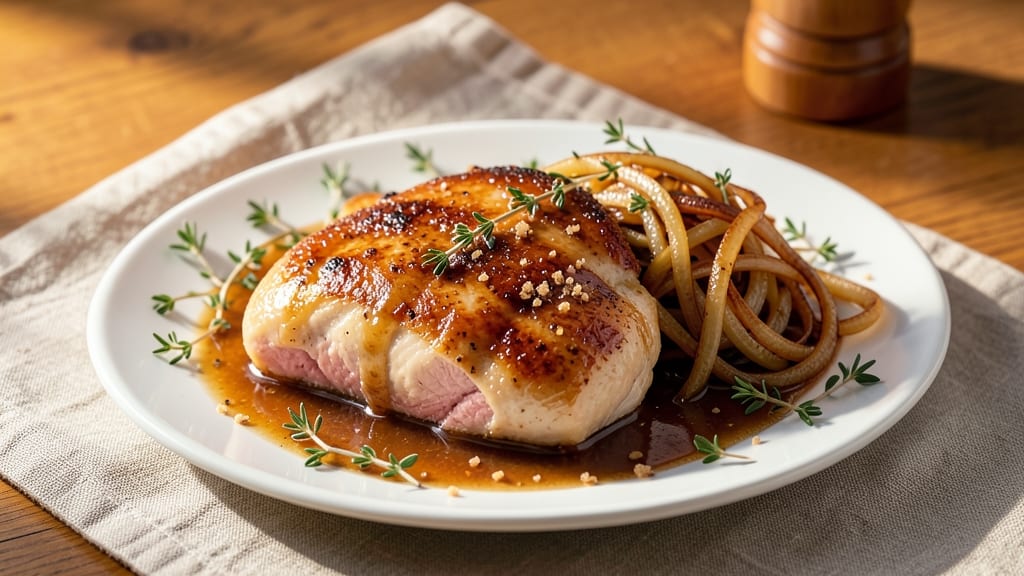
This apple cider chicken breast recipe transforms simple chicken into melt-in-your-mouth perfection with a slow-braised technique and caramelized glaze. 🔥 After years of perfecting tender poultry dishes, I developed this method to capture the cozy, autumnal flavors of apple cider while ensuring juicy, restaurant-quality results every time.
The secret lies in the slow braising process, which breaks down the chicken fibers for maximum tenderness while allowing the apple cider to reduce into a rich, aromatic glaze.
I use a combination of apple cider vinegar and fresh apple cider to create depth of flavor, while a touch of brown sugar helps caramelize the sauce into a glossy finish. This isn't just another chicken recipe—it's a fall-inspired centerpiece that delivers both comfort and sophistication.
By the time you're done, you'll have perfectly tender chicken breasts with a glossy, caramelized coating that's impossible to resist. The slow cooking method ensures no dryness, while the apple cider glaze adds layers of sweet-tangy flavor that complement the natural taste of the chicken.
This dish pairs beautifully with roasted root vegetables or creamy mashed potatoes, making it ideal for family dinners or special occasions.
What makes this recipe particularly special is its versatility—it works equally well for weeknight dinners or holiday feasts. The technique is straightforward but delivers professional results, and the flavors only improve as the dish rests.
Let's get started on creating this tender, flavorful masterpiece that will become a staple in your cooking repertoire.
Ingredients for apple cider chicken breast
These twelve ingredients create melt-in-your-mouth apple cider chicken with restaurant-quality caramelized glaze.
| Ingredient | Amount | Notes |
|---|---|---|
| Boneless, Skinless Chicken Breasts 🍗 | 1 ½ lb | Evenly sized for consistent cooking |
| Unsalted Butter 🧈 | ½ cup | Cold, cubed for even browning |
| Fresh Apple Cider 🍎 | 1 ½ cups | Unfiltered for maximum flavor |
| Apple Cider Vinegar 🍋 | ¼ cup | For tangy depth |
| Light Brown Sugar 🍚 | ¼ cup | Packed, for caramelization |
| Fresh Thyme Leaves 🌿 | ½ tsp | Or 0.25 tsp dried thyme |
| Fresh Rosemary 🌿 | 1 tbsp | Chopped, for herbal notes |
| Garlic Cloves 🧄 | 4 cloves | Minced, for aromatic base |
| Diamond Crystal Kosher Salt 🧂 | 1 ½ tsp | For seasoning and glaze |
| Freshly Ground Black Pepper 🌶️ | ½ tsp | For balanced seasoning |
| Heavy Cream 🥛 | ¼ cup | For glaze richness |
| All-Purpose Flour 🌾 | 1 tbsp | For thickening glaze |
The chicken breasts are the foundation—look for evenly sized pieces (about 6-8 oz each) from the packaged section at Whole Foods or your local butcher. If using whole breasts, pound them to even thickness for consistent cooking. The unsalted butter should be cold when you cube it—this ensures proper browning. For the apple cider, unfiltered brands like Woodchuck or Angry Orchard deliver the most authentic flavor, though any quality cider works. The brown sugar should be packed—lightly tap the measuring cup to settle it.
No fresh thyme? Dried works at half the amount, but fresh delivers that bright herbal note. Swap the fresh rosemary for dried at one-third the quantity if needed, though fresh is ideal. For a lighter glaze, reduce the heavy cream to 2 tbsp and add 1 tbsp water. If you're short on time, pre-minced garlic works, but fresh minced gives better flavor. The apple cider vinegar adds depth—substitute lemon juice if unavailable, though the flavor profile shifts slightly.
The chicken stays juicy for 3-4 days in the fridge when stored in an airtight container with the glaze. For longer storage, freeze portions for up to 3 months—thaw overnight in the fridge. The glaze thickens as it cools, so reheat gently with a splash of water or apple cider to restore its silky texture. This dish reheats beautifully, making it perfect for meal prep—portion into containers for easy grab-and-go lunches.
Why You'll Love This Recipe
- One-Pan Magic: I swear by this recipe when I’m too tired to scrub a million dishes—just chicken, butter, and cider in one skillet. The brown sugar caramelizes into a sticky glaze that practically falls off the fork, and cleanup? One spatula, one pan. Done.
- Fall in Love: That first bite of tender chicken with the tangy-sweet cider glaze? It’s like autumn wrapped in a hug. The vinegar cuts through the richness while the brown sugar adds depth—no fancy seasoning needed, just pure, cozy flavor.
- Lunchbox Hero: Between us, this is my go-to for meal prep because it reheats like a dream. Pack the leftovers with some crusty bread or roasted veggies, and you’ve got a lunch that’ll make your coworkers jealous. (Yes, even on a Tuesday.)
- Budget Buster: Fresh apple cider and brown sugar stretch this recipe into a full meal without breaking the bank. A single batch feeds four, and the leftovers taste just as good the next day—no sad, dry chicken here. Smart, simple, and satisfying.
Step-by-step instructions for apple cider chicken breast
This method delivers melt-in-your-mouth tenderness with a caramelized glaze that balances sweet and tangy flavors perfectly.
🍳 Step 1: Sear the Chicken for Deep Flavor
Pat the 1.5 lb boneless, skinless chicken breasts completely dry with paper towels—this ensures maximum browning. Season both sides generously with 1.5 tsp Diamond Crystal kosher salt and 0.5 tsp freshly ground black pepper, pressing the seasoning into the meat so it adheres.
Heat a large oven-safe skillet over medium-high heat and add the 0.5 cup unsalted butter, cubed. Let the butter melt and foam, then add the chicken. Sear for 3-4 minutes per side until the chicken develops a deep golden-brown crust and reaches an internal temperature of 150°F. This initial sear locks in juices and builds flavor foundation.
👨🍳 Step 2: Build the Apple Cider Braising Liquid
Remove the chicken from the skillet and set it aside. Immediately reduce heat to medium and add 4 cloves minced garlic, cooking for 30 seconds until fragrant. Add 1 tbsp chopped fresh rosemary, 0.5 tsp fresh thyme leaves, and the 0.25 cup light brown sugar, stirring to combine.
Pour in the 1.5 cups fresh apple cider and 0.25 cup apple cider vinegar, scraping up any browned bits from the bottom of the pan. Bring to a gentle simmer, then return the chicken to the skillet, spooning the braising liquid over the top. The liquid should cover about halfway up the chicken—this ensures proper moisture without steaming.
🔥 Step 3: Slow-Braise for Maximum Tenderness
Cover the skillet and transfer it to a preheated 325°F oven. Braise for 45-50 minutes until the chicken reaches an internal temperature of 165°F and is fork-tender. The slow cooking breaks down connective tissues, transforming tough chicken into melt-in-your-mouth perfection.
Here's the thing—don't peek or move the chicken during cooking. Every time you open the lid, you release steam and extend cook time. The liquid should reduce to a syrupy consistency by the end, forming the base for our glaze.
🥘 Step 4: Create the Caramelized Glaze
Remove the chicken from the oven and transfer it to a warm plate. Increase the oven temperature to 400°F. In the same skillet (no need to clean it—the browned bits are flavor gold), whisk together 1 tbsp all-purpose flour and 0.25 cup heavy cream until smooth.
Return the skillet to the stove over medium heat and cook the mixture for 3-4 minutes until it thickens slightly. Pour in the reduced braising liquid from the skillet and bring to a gentle simmer. Let it reduce for 5-7 minutes until it coats the back of a spoon and develops a glossy, caramelized appearance.
⏰ Step 5: Finish and Serve with Perfect Glaze
Return the chicken to the skillet and spoon the caramelized glaze evenly over the top. Let it cook for 2-3 minutes in the 400°F oven to set the glaze and create a beautiful sheen. The chicken should be fully coated with a sticky, amber-colored glaze that balances sweet, tangy, and savory notes.
Let the chicken rest for 5 minutes before slicing against the grain. This resting period ensures juices redistribute, preventing dryness. Serve immediately with the reduced glaze spooned over the top and any pan juices drizzled around the plate. Each bite delivers tender, flavorful chicken with a perfect balance of sweet and tangy glaze.
Pro Tips For Making Apple Cider Chicken Breast
- Start with Cold Butter: I used to melt the butter first, thinking it would blend better—wrong. Toss cold unsalted butter cubes into the pan with the chicken first. They’ll sizzle and coat the breasts as they sear, creating a richer, caramelized crust that clings to the meat instead of pooling at the bottom. (Yes, even if you’re impatient like me, resist the urge to rush this.)
- Deglaze Immediately: The moment you pull the chicken off the heat, pour in that apple cider and vinegar. Scrape every last bit of browned butter and chicken bits from the pan—this is where the flavor lives. If you wait, the fond turns to glue, and your sauce loses half its depth. A wooden spoon works best; metal scratches nonstick pans.
- Skip the Vinegar Shortcut: I was skeptical until I tried it: use all the apple cider vinegar called for in the recipe, but add it after the chicken has cooked through. The acid will break down faster at the end, brightening the sauce without turning the chicken rubbery. (Pro move: Strain the cider after simmering if you hate floating bits.)
- Check Doneness with a Thermometer: Chicken breasts are sneaky—they can look cooked but still be gray inside. Pull them at 160°F (71°C) in the thickest part, then let them rest 5 minutes under foil. Overcooking dries them out, and undercooking? Well, you don’t want to find out. A cheap instant-read thermometer solves this every time.
Best sauces and condiments for this recipe
Classic Apple Cider Glaze
This is the star of the show—a rich, caramelized glaze that balances sweet apple cider with tangy vinegar. I use 1.5 cups fresh apple cider reduced with 0.25 cup apple cider vinegar and 0.25 cup brown sugar for depth.
The key is patience: simmer the reduction until it coats the back of a spoon, about 15-20 minutes on medium-low heat. For extra shine, finish with 1 tbsp unsalted butter swirled in at the end. 🍎
Creamy Horseradish Twist
If you love a little kick, stir 1 tbsp prepared horseradish into the glaze during the final reduction. The creamy horseradish cuts through the sweetness while adding a bright, peppery contrast.
I like to balance it with an extra 0.5 tsp brown sugar to maintain harmony. This works especially well with roasted root vegetables on the side.
Maple-Bourbon Glaze
For a sophisticated variation, replace the apple cider vinegar with 2 tbsp pure maple syrup and 1 tbsp bourbon>. Simmer the glaze until it thickens to a syrupy consistency, then finish with a splash of heavy cream for richness.
The bourbon adds warmth while the maple deepens the caramel notes. Perfect for fall gatherings when you want to impress. 🥃
Spicy Chipotle Glaze
Add heat by whisking in 1 tsp adobo sauce (from canned chipotles) during the final reduction. For balance, add 0.5 tsp smoked paprika and a pinch of cayenne pepper.
The smoky chipotle pairs beautifully with the sweet-tangy apple flavors. Serve with cool yogurt sauce on the side to tame the heat for those who prefer it milder.
Herbed Butter Sauce
For a lighter option, melt 0.25 cup unsalted butter with 1 tbsp fresh thyme, 1 tbsp chopped rosemary, and 1 clove minced garlic until fragrant.
Drizzle this over sliced chicken and spoon any pan juices on top. The herbed butter adds aromatic depth without overpowering the apple cider flavors.
Dijon Mustard Glaze
Stir 1 tbsp Dijon mustard into the caramelized glaze during the final reduction. The mustard adds a subtle tang that brightens the dish. For extra richness, finish with a dollop of crème fraîche spooned alongside the chicken.
This variation works wonderfully with a simple arugula salad to cut through the richness. 🌟
Nutrition facts
Frequently asked questions
Can I use chicken thighs instead of breasts?
Yes, but adjust the cooking time! Chicken thighs have more fat and connective tissue, so they'll need 5-10 minutes longer in the oven to reach 165°F internally. The slow braising method still works perfectly—they'll become even more tender and juicy with the apple cider glaze.
How do I make this dish ahead of time?
This recipe actually tastes better the next day! Cook the chicken completely, then store it in an airtight container with the glaze. Reheat gently in the oven at 350°F for 10-15 minutes, adding a splash of apple cider to restore moisture. The flavors deepen as the glaze reduces further.
What's the best way to slice the chicken?
Always slice against the grain—look for the direction of the muscle fibers and cut perpendicular to them. This shortens the fibers, making each bite more tender. Use a sharp chef's knife for clean slices. For presentation, fan the slices slightly on the plate.
Can I substitute apple juice for apple cider?
While you can use apple juice, you'll lose the depth of flavor from the cider's natural acidity and complexity. For best results, use a mix of 1 cup apple juice and 0.5 cup apple cider vinegar to replicate the tangy-sweet balance. The vinegar adds that essential brightness.
Why did my glaze turn out too thin?
This usually happens if you didn't reduce the braising liquid enough or if you added too much heavy cream. For a thicker glaze, simmer the reduction longer (up to 10 minutes) or whisk in 1 tsp cornstarch mixed with 1 tbsp water at the end. The glaze should coat the back of a spoon when done.