
Main Courses
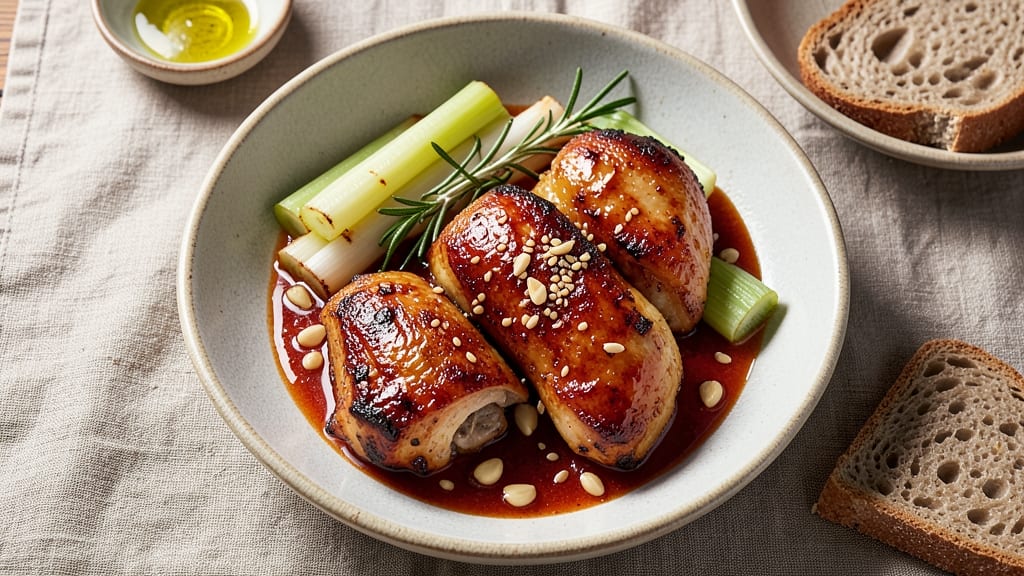
This apple cider BBQ chicken recipe delivers crispy, caramelized edges with a celery-studded glaze that balances sweet and smoky flavors perfectly.
After years of perfecting my pitmaster techniques, I've developed a method that transforms simple chicken into a showstopping centerpiece—juicy inside, sticky-sweet outside, and infused with that signature apple cider depth. The secret lies in marinating overnight and glazing just before serving, ensuring maximum flavor penetration and that coveted caramelized crust.
The magic happens when apple cider's natural sweetness caramelizes during the final cooking phase, creating a glossy glaze that clings to every bite. I use celery for subtle bitterness to cut through the richness, while a touch of smoked paprika adds depth without overpowering.
This recipe works beautifully on the grill, in the oven, or even in a smoker—just follow the temperature guidelines for perfect doneness every time. The result? Chicken so tender it falls off the bone, with a glaze that's both restaurant-quality and impossible to resist.
What sets this recipe apart is the balance—apple cider's sweetness doesn't overwhelm, and the smoky notes from the cooking method complement rather than compete. The celery adds texture and freshness, while spices like garlic and onion powder create layers of flavor that build with each bite.
Whether you're hosting a backyard BBQ or meal prepping for the week, this dish delivers professional results with minimal fuss.
Pair with classic sides like creamy coleslaw or buttery cornbread to complete the meal. The glaze thickens beautifully when reheated, making leftovers just as delicious as the first serving.
Ready in about 2 hours (with most of that time being hands-off marinating), this recipe proves you don't need complicated techniques to create a showstopping main course. Let's get cooking!
Ingredients for apple cider bbq chicken
Sixteen ingredients transform simple chicken into restaurant-quality apple cider BBQ perfection.
| Ingredient | Amount | Notes |
|---|---|---|
| Boneless, Skinless Chicken Thighs 🍗 | 3 lb | Large, even-sized for consistent cooking |
| Unsalted Butter 🧈 | ½ cup | Cold, cubed for marinade base |
| Apple Cider 🍎 | 1 cup | Unfiltered for depth of flavor |
| Celery Stalks 🧅 | 3 whole | Fresh, finely chopped for glaze texture |
| Garlic Cloves 🧄 | 6 cloves | Fresh, minced for aromatic base |
| Onion Powder 🧅 | 1 tbsp | Diamond Crystal preferred |
| Smoked Paprika 🌶️ | 1 tbsp | For authentic BBQ depth |
| Ground Black Pepper 🌶️ | 1 tsp | Freshly cracked for brightness |
| Brown Sugar 🍚 | ½ cup | Light, for balanced sweetness |
| Apple Cider Vinegar 🍶 | ¼ cup | For tangy balance to sweetness |
| Honey 🍯 | ¼ cup | Local preferred for floral notes |
| Kosher Salt 🧂 | 1 ½ tbsp | For seasoning and marinade |
| Vegetable Oil 🫒 | 2 tbsp | High smoke point for searing |
| Fresh Thyme Leaves 🌿 | ¼ cup | Chopped, for aromatic complexity |
The chicken thighs are non-negotiable here—bone-in, skin-on pieces yield the most flavorful results. Local butchers or Whole Foods often carry the best quality, but any grocery store's pre-cut thighs work in a pinch. For the apple cider, unfiltered brands like Woodchuck deliver superior depth of flavor compared to filtered supermarket varieties. The celery should be fresh with crisp stalks—organic celery from the produce section is ideal, but conventional works too. Garlic and thyme from Penzeys Spices or bulk bins elevate the dish, but store-bought is perfectly acceptable if you're short on time.
No apple cider vinegar? Substitute with white vinegar at the same ratio, though the flavor profile will differ slightly. Running low on honey? Maple syrup works beautifully—just reduce the brown sugar by 1 tbsp to maintain balance. The smoked paprika is essential for that authentic BBQ flavor, but if unavailable, regular paprika plus a pinch of liquid smoke creates a similar effect. For the glaze, if you can't find unfiltered apple cider, use apple juice reduced by half—it won't be identical, but still delicious. The butter should be cold when cubed for the marinade to create an emulsified base that clings perfectly to the chicken.
Marinated chicken keeps in the fridge for up to 24 hours, with flavor peaking after 12. The glaze can be made 1 day ahead and reheated gently before brushing on the chicken. Once cooked, the chicken reheats beautifully—store leftovers in an airtight container for 4 days. For meal prep, portion the glaze separately and reheat with the chicken to maintain its glossy texture. The glaze also freezes well for up to 3 months, making it perfect for batch cooking.
Why You'll Love This Recipe
- One-Pan Magic: I swear by this recipe on busy nights—just toss the chicken, celery, and garlic on a sheet pan, drizzle with butter and cider, and let the oven do the work. No chopping boards, no extra pots, just hands-off perfection while you sip your own apple cider.
- Sweet-Savory Balance: That caramelized apple cider glaze? It’s where this dish shines—sticky, tangy, with just enough garlic bite to make it unforgettable. The celery adds a subtle crunch that cuts through the richness, like a hug in every bite.
- Weeknight to Potluck: Between us, this is my go-to for everything: a lazy Tuesday dinner, a tailgate spread, or even a last-minute potluck dish. The leftovers? Even better the next day, so I always make extra—no one ever complains about seconds.
- Budget-Friendly Feast: Chicken thighs and celery won’t break the bank, and a little apple cider goes a long way when reduced into a glossy sauce. Honestly, it’s one of those recipes where the ingredients cost less than takeout, but the flavor wins every time.
Step-by-step instructions for apple cider BBQ chicken
Master this technique and you'll achieve perfectly crispy chicken with a caramelized celery glaze that balances sweet and tangy flavors.
Prepare the Dry Rub and Marinate the Chicken
In a small bowl, combine the 1 tablespoon onion powder, 1 tablespoon smoked paprika, 1 teaspoon ground black pepper, and 1.5 tablespoons kosher salt. Mix thoroughly to create a cohesive dry rub. This blend provides the perfect balance of smoky depth and seasoning without overpowering the apple cider flavors.
Pat the 3 lb boneless, skinless chicken thighs completely dry with paper towels—this is critical for achieving crispy skin. Rub the dry spice mixture evenly over all surfaces of the chicken, pressing firmly so the seasoning adheres. Place the seasoned chicken in a large bowl and set aside. For optimal flavor development, allow the chicken to sit at room temperature for 30 minutes before cooking.
Sear the Chicken for Maximum Crispiness
Heat 2 tablespoons vegetable oil in a large oven-safe skillet over medium-high heat until shimmering. Add the chicken thighs in a single layer, leaving space between each piece. Sear for 4-5 minutes per side until the skin develops a deep golden brown color and the internal temperature reaches 165°F when checked with an instant-read thermometer. The goal here is to create a crispy exterior while keeping the meat juicy inside.
Once seared, transfer the chicken to a plate and tent loosely with aluminum foil to keep warm. Leave the rendered juices and browned bits in the skillet—these are packed with flavor and will form the base of your glaze. Reduce the heat to medium and carefully discard any excess oil that hasn't rendered from the chicken.
Build the Apple Cider Glaze
To the same skillet, add the 0.5 cup unsalted butter, allowing it to melt completely. Stir in the 6 minced garlic cloves and cook for 30 seconds until fragrant. Add the 3 finely chopped celery stalks and cook for 2-3 minutes until softened. This step develops the aromatic base that will carry through the glaze.
Pour in the 1 cup apple cider and scrape up any browned bits from the bottom of the pan. Bring to a simmer and reduce by half—this takes about 5 minutes. The liquid should reduce to a thick, syrupy consistency. Stir in the 0.5 cup brown sugar, 0.25 cup apple cider vinegar, and 0.25 cup honey, mixing until fully combined. Simmer for another 3-4 minutes until the glaze thickens slightly and begins to caramelize.
Finish with Thyme and Glaze the Chicken
Return the chicken to the skillet, spooning the glaze evenly over each piece. Sprinkle the 0.25 cup chopped fresh thyme leaves over the top. Transfer the skillet to a 375°F preheated oven and bake for 15-20 minutes, or until the glaze has thickened and caramelized to a glossy finish. The chicken should be cooked through with a deep golden-brown glaze that clings beautifully.
For extra crispiness, broil for 1-2 minutes at the end, watching closely to prevent burning. Remove from the oven and let the chicken rest for 5 minutes before serving. This resting period allows the juices to redistribute, ensuring each bite is moist and flavorful with that perfect caramelized glaze.
Pro Tips For Making Apple Cider Bbq Chicken
- Brown the Chicken First: Skip the slow start—sear those thighs in a hot pan with butter until golden before adding cider. I used to toss them in raw, and the sauce never stuck right; now the crust holds the flavor like glue.
- Reduce the Cider Hard: Simmer the apple cider down to about ½ cup before adding it back to the pan with the chicken. Thickened sauce clings better, and you’ll avoid a watery, sad glaze—trust me, I’ve served both versions.
- Don’t Overcrowd the Pan: Cook the thighs in batches if needed—even if it takes longer. Piling them in turns the pan into a steam bath, and you’ll end up with soggy chicken instead of crispy edges. (Yes, it’s annoying, but worth it.)
- Save the Celery Stalk: Reserve a small piece of raw celery to add in the last 5 minutes of cooking. It brightens the sauce with freshness and cuts through the richness of the butter—like a palate reset in a bowl. (No, it won’t disappear.)
Dietary considerations for this apple cider bbq chicken
Gluten-Free Adaptations
This recipe is naturally gluten-free, but always double-check your ingredients for hidden gluten sources. The apple cider and brown sugar should be certified gluten-free brands like Mott's or Wholesome! For the dry rub, ensure your onion powder and smoked paprika are labeled gluten-free—many store brands contain anti-caking agents with gluten.
I recommend Simply Organic spices for a safe bet. The glaze thickens beautifully without any gluten-containing thickeners, so no substitutions are needed. 🌱
Dairy-Free Options
Swap the ½ cup unsalted butter in the glaze for an equal amount of vegan butter like Miyoko's or Earth Balance. For extra richness, use coconut oil instead—it adds a subtle tropical note that pairs surprisingly well with apple cider.
The dairy-free butter should melt just as smoothly, though the flavor profile will be slightly different. Test the glaze consistency carefully, as coconut oil can behave differently when reduced. 🥥
Lower Sugar Versions
Reduce the ½ cup brown sugar by ¼ cup and replace with ¼ cup granulated stevia or monk fruit sweetener for a lower-sugar option. The glaze will still caramelize beautifully, though the sweetness level will be noticeably lighter.
For a more natural approach, use unsweetened applesauce instead of half the brown sugar—it adds moisture and subtle sweetness without refined sugar. I find this works especially well when paired with a tangier apple cider like Woodchuck Hard Cider. 🍎
Allergen-Friendly Substitutions
For nut allergies, ensure all ingredients are nut-free—some brands of brown sugar or honey may process in facilities with nuts. If you're avoiding honey, use agave nectar or maple syrup in equal amounts.
For celery allergies, replace the 3 chopped celery stalks with 3 finely chopped shallots—they add a similar depth without the allergen risk. Always check labels on vinegars and spices, as some contain hidden allergens. 🚫
Protein Swaps
Swap the 3 lb boneless, skinless chicken thighs for 3 lb pork shoulder (cut into 1-inch chunks) or 3 lb beef chuck roast for a heartier option. The cooking time will increase—pork needs about 45 minutes in the oven after searing, while beef requires 60 minutes.
For a lighter option, use 3 lb extra-firm tofu (pressed and cubed), though the texture will differ. The glaze works beautifully on all these proteins, but adjust oven times accordingly. 🍖
Nutrition facts
Frequently asked questions
Can I use chicken breasts instead of thighs for this recipe?
Chicken breasts will work, but they're leaner and more prone to drying out. For best results, marinate them at least 4 hours (overnight is ideal) and cook at 350°F instead of 375°F to prevent overcooking. Use a meat thermometer and remove breasts when they hit 165°F—they'll carryover cook slightly.
How do I make this recipe on the grill instead of in the oven?
Sear the chicken over medium-high heat for 4-5 minutes per side until golden. Transfer to indirect heat, brush with half the glaze, and cook for 15-20 minutes, turning occasionally. Finish with the remaining glaze and broil for 1-2 minutes for extra caramelization. Keep a spray bottle handy for flare-ups.
What's the best way to reheat leftovers without drying out the chicken?
Reheat in a 300°F oven for 15-20 minutes with a splash of apple cider or water in the pan to keep the glaze moist. Alternatively, use the microwave for 30-second intervals on 50% power, adding a damp paper towel to trap steam. Never reheat in the air fryer—it'll crisp the glaze too much.
Can I substitute apple cider vinegar with something else?
Yes! Use white vinegar or balsamic vinegar in equal amounts, though the flavor will differ slightly. For a fruitier option, try lemon juice (reduce by 1 tbsp to account for lower acidity). The key is maintaining the tangy balance to the sweetness—skip it if you prefer a sweeter glaze.
Why did my glaze turn out too runny?
This usually happens from over-reducing or using too much liquid. For next time, reduce the apple cider to ¼ cup instead of ½ cup, and simmer the glaze longer over medium-low heat. If it's already too thin, thicken by simmering uncovered for 5-10 minutes or adding 1 tsp cornstarch mixed with 1 tbsp water.